-
AI 101: AI Explained
Do you struggle with AI? Have parents, friends, and others who struggle with terminology and understanding what AI is good for?
The guide defines basics terms that are often mentioned in numerous online videos and definitely can be confusing to a new user.
Check out my guide, free to use, no data collected.
-
Which supplement should I take? #Supplement Explorer
Are you always on your phone looking at which supplements you should take? Do you look at reviews? How do you decide what to buy?
As someone who has been in the nutraceutical industry for over 10 years, I’ve worked with many suppliers and companies to understand why an ingredient is chosen, what research is behind it, and how to sell it to a consumer, so if you are looking for some answers to questions you may have, drop a comment, or even better check out the Supplement Explorer on the site. It is free to use, 3 questions, and a simple output. No info is stored.I made the Supplement Explorer purely for my use and then thought, well, if it is useful for me, maybe it is useful for others. The tool is not affiliated with any company or brand, but was just a way for me to showcase what I find useful. If you use it, do give me feedback as to what you’d like to see it on too.
Stay well and remember, before taking any supplements, check with your doctor if it is a good fit for you or not!
-
Bouncing back after holiday eating

Did you enjoy your long weekend with barbecue or some other indulgence? I definitely enjoyed some ice cream as the weather was perfect for it. However, not exercising and overeating for a few days and getting back into a routine requires some thought.
- Reset Your Mindset: The first step towards getting back on track is to reset your mindset. Instead of dwelling on the past and feeling guilty about the excesses, embrace a positive outlook.
- Hydrate, Hydrate, Hydrate: One of the simplest and most effective ways to kickstart your healthy routine is to focus on hydration. Drinking an adequate amount of water flushes out toxins, boosts metabolism, and helps curb cravings.
- Stock Up on Nutritious Foods: Fill your shopping cart with fresh fruits, vegetables, lean proteins, whole grains, and healthy fats. Having these options readily available will make it easier for you to make nutritious choices and avoid reaching for unhealthy snacks.
- Plan and Prep Your Meals: To stay on track, planning and preparing your meals in advance can be a game-changer. Dedicate some time each week to create a meal plan, shop for ingredients, and batch cook meals. This not only saves time but also ensures that you have balanced, home-cooked meals readily available, reducing the temptation to order takeout or opt for processed convenience foods.
- Reintroduce Exercise Gradually: Physical activity is crucial for getting back into a healthy routine. However, after a period of reduced activity, it’s essential to reintroduce exercise gradually to prevent injury and burnout. Start with light exercises such as walking, stretching, or yoga, and gradually increase the intensity and duration as your fitness levels improve.
- Prioritize Sleep and Stress Management: Getting enough sleep and managing stress are often overlooked but crucial aspects of a healthy routine. Aim for 7-9 hours of quality sleep each night to support overall well-being and maintain energy levels.
Coming back to a routine after a long weekend shouldn’t be tough, drink water, eat nutrient dense foods, and start off with exercise like walking to get back into the swing of things.
Stay well!
-
What are you good at?
What are you good at?
Such a simple question with so many possible answers (simple and complex)!
I guess I’m good at making my dog feel loved and safe. He can’t speak and I hope I’m giving him the attention and love he deserves!
-
Why are softgels in non-clear bottles?
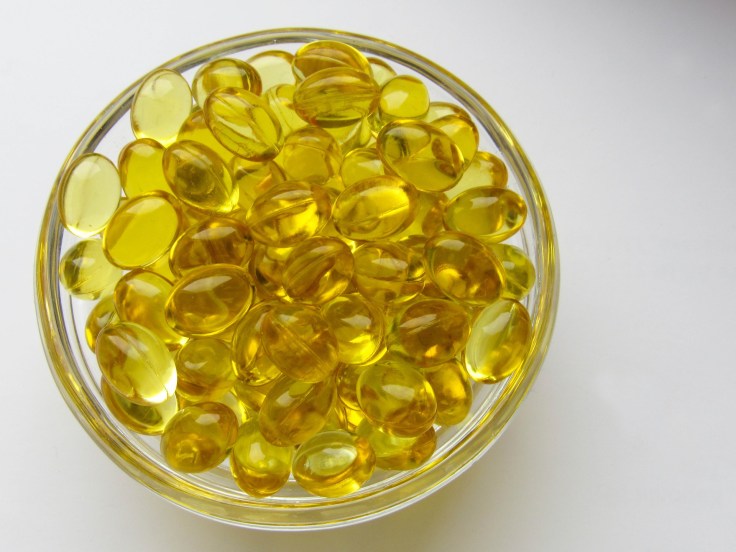
When I buy my softgels, they typically don’t come in clear bottles but colored or opaque ones. I definitely dislike not being able to see inside the bottle but I know there is a reason for this packaging choice. Let’s find out what they might be!
- Light and Heat Sensitivity:
One of the primary reasons for choosing opaque or colored bottles for softgels lies in their sensitivity to light and heat. Softgel capsules often contain sensitive ingredients, such as vitamins, oils, or botanical extracts, which can degrade when exposed to light or elevated temperatures. The opaque or colored bottles act as protective shields, reducing the potential damage caused by these external factors.
- Oxidation and Stability:
Many softgel formulations contain oils or other ingredients prone to oxidation. Exposure to light and air accelerates this process, leading to the degradation of the product’s quality and effectiveness. By using opaque or colored bottles, manufacturers can minimize the entry of light and oxygen, preserving the stability and potency of the softgel contents. This ensures that the product retains its desired properties throughout its shelf life.
- UV Protection:
Ultraviolet (UV) radiation is known to cause photodegradation in various substances, including pharmaceuticals and supplements. Softgel capsules can be particularly vulnerable to UV radiation due to their gelatin-based shell. The dark or colored bottles provide an extra layer of UV protection, shielding the delicate contents from the harmful effects of sunlight and artificial light sources.
- Moisture Control:
Another crucial factor to consider when packaging softgels is moisture control. Clear bottles offer minimal protection against moisture, which can lead to softgel shell deterioration and the potential for microbial growth. Opaque or colored bottles, on the other hand, create a more controlled environment, reducing the risk of moisture-related issues and maintaining the integrity of the softgel capsules.
- Extended Shelf Life:
By employing opaque or colored bottles, manufacturers can extend the shelf life of softgels. The protection provided against light, heat, oxidation, UV radiation, and moisture helps maintain the product’s quality and effectiveness for a more extended period. Typically, a company might do stability testing in accelerated conditions of 40C and 75% Relative Humidity to address the above points and to set shelf life of the product. This is especially crucial for supplements and medications that may be stored for months or even years before consumption.
Though you may not be able to see inside the bottle, you can now appreciate the thoughtfulness behind their protective packaging choices.
Stay well!
-
Hungry after a meal?
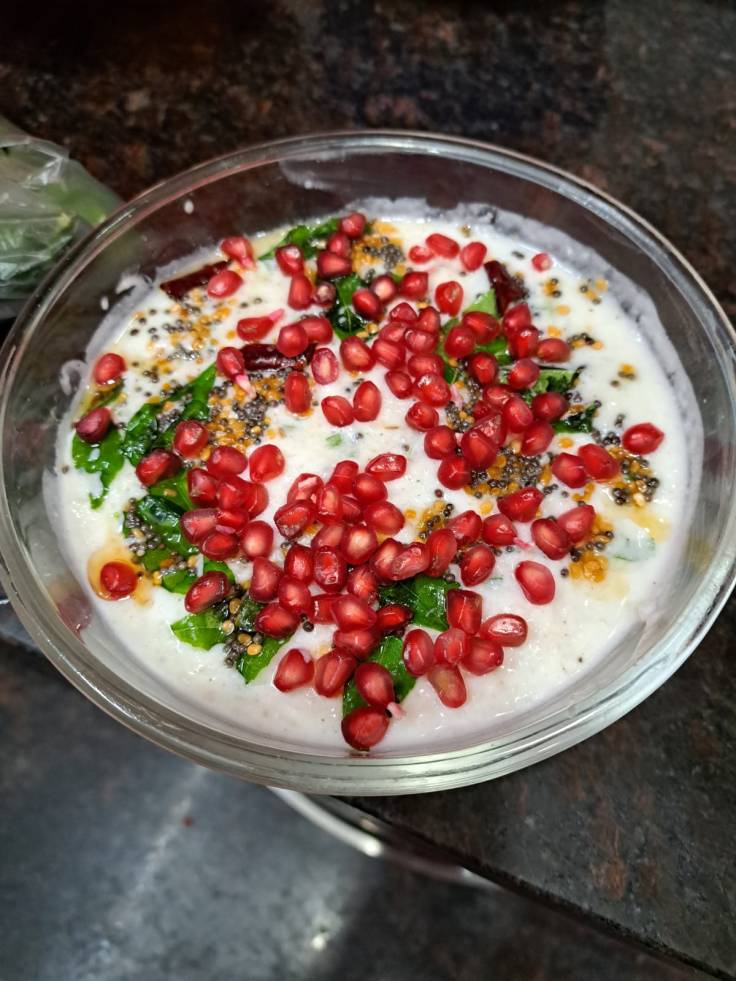
Do you ever get hungry after you’ve eaten a meal? I wonder why that happens. I know for me there are several reasons. Read on to find out.
- Unbalanced Macronutrients: One common reason for feeling hungry after a meal is an imbalance in macronutrients. If your meal lacks an adequate amount of protein, healthy fats, or fiber, it can result in a rapid spike in blood sugar followed by a sharp drop. This blood sugar rollercoaster can trigger hunger signals, leading you to feel hungry even after eating. To combat this, I’ve started to include more protein, fruits, and fiber so that has been helping.
- Inadequate Portion Size: Another possibility is that you may not be consuming enough food during your meal. If your portions are too small or if you’re not eating enough calories to meet your body’s energy needs, you may experience hunger shortly after eating. I’m a snacker so portion sizes are always small. I’m trying to improve this but you know, too much food on my plate, I’ll either leave it or over indulge and finish it because I feel guilty for leaving it.
- Emotional or Mindless Eating: Hunger can sometimes stem from emotional or mindless eating rather than genuine physical hunger. Stress, boredom, or certain triggers may lead us to eat without being truly hungry. This can result in overeating or consuming foods that lack the nutrients necessary to satisfy our bodies. Hmmm, maybe my snacking is my downfall.
- Rapid Eating and Poor Digestion: Wolfing down your meals can hinder proper digestion and impact your body’s ability to signal fullness. When we eat too quickly, our brain may not receive the “fullness” signal in time, leaving us feeling unsatisfied and hungry. Slow down during mealtimes, chew your food thoroughly, and savor each bite. This allows your body to properly digest the food and gives your brain a chance to recognize when you’ve had enough. I know for a fact that this is a huge problem for me as I inhale my food versus savoring it. Bad habit since a child. This will be hard to undo.
Knowing what I know about myself, I guess my advice to myself and others is listen to your body, nourish it with wholesome foods, and embrace a healthier relationship with eating.
Stay well!
-
Work/life balance-is there such a thing?

How do you balance work and home life?
It’s so hard to answer this question when you work from home.
The pandemic uprooted how I work and I enjoy the flexibility of working from home but now I don’t have set working hours which can be a good thing and a bad thing, just depends on your perspective of whether you like what you do or not.
What makes it even more complicated for me is when you work with a global team. What makes all this better is the flexibility!
I think the better question for me is how do you set boundaries when working from home?
I enjoy my job and working from home so balancing home and work life really depends on the day that I have as no two days are ever the same!
Stay well!
-
Best investment for stretching

Do you stretch before or after working out? Maybe you stretch during the workday or a busy day when you need movement. We stretch because we can but also for some benefits. It helps improve flexibility, prevent injuries, and enhance athletic performance. While traditional methods like static stretching and foam rolling have their benefits, have you ever considered using a lacrosse ball for stretching? The lacrosse ball is cheap to purchase and so versatile!
- Targeted Deep Tissue Massage:
One of the primary advantages of using a lacrosse ball for stretching is its ability to provide targeted deep tissue massage. Its firmness allows it to penetrate deep into muscle tissue, helping to release knots, trigger points, and tightness. It really helps me after running to help release tension on my feet. By applying pressure to specific areas, such as the glutes, calves, or shoulders, you can effectively break up adhesions and increase blood flow to the muscles, promoting faster recovery and relieving muscle soreness.
- Improved Flexibility and Range of Motion:
Using a lacrosse ball during stretching exercises can greatly enhance your flexibility and range of motion. By rolling the ball along your muscles, you can pinpoint areas of tension and tightness. This targeted approach helps to lengthen and relax muscles, allowing for greater mobility. The lacrosse ball is fantastic to roll out on the sciatic and even your glutes after a hard workout or a lot of desk sitting. Remember, I’m only sharing what works for me, check with your doctor if you have concerns prior to using the ball.
- Enhanced Posture and Muscle Activation:
Proper posture is essential for overall health and injury prevention. The lacrosse ball can be a useful tool in improving your posture by targeting specific muscles that contribute to postural imbalances. By rolling the ball along your spine, upper back, and shoulders, you can release tension and encourage better alignment. This will take time but nothing comes easy right?
- Portable and Cost-Effective:
Another advantage of the lacrosse ball is its portability and affordability. It fits easily into a gym bag, travel suitcase, or even a pocket, making it a convenient tool for stretching on the go. Unlike larger fitness equipment, the lacrosse ball takes up minimal space, allowing you to perform targeted stretches wherever you are. Plus, I really like that I can travel with it too!
So, why not give it a try? Try the lacrosse ball and unlock a new level of flexibility, mobility, and well-being.
Stay well!
-
Do you Chia?
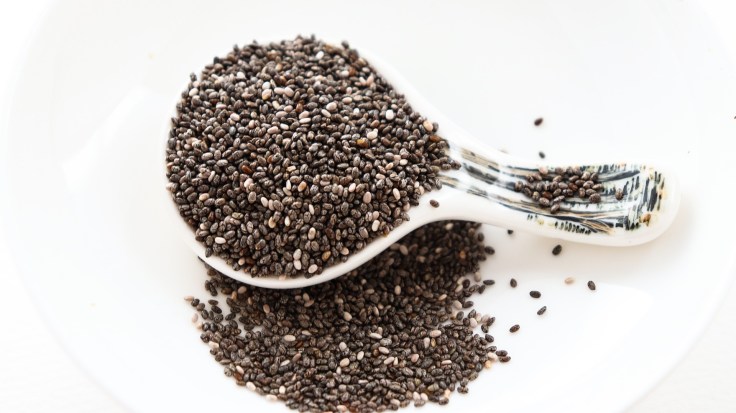
As I was scrolling through Tiktok, I kept seeing so much misinformation on chia seeds that I knew I had to share more about it. In this blog post, we will explore the ways in which chia seeds can help you manage your weight.
Firstly, chia seeds are high in fiber, which is known to promote feelings of fullness and reduce hunger. A study published in the British Journal of Nutrition found that participants who consumed chia seeds with breakfast reported feeling fuller for longer and had reduced food intake throughout the day. This suggests that chia seeds could be a useful tool in reducing overall calorie consumption, thereby aiding weight loss efforts. Like Metamucil that we take to increase our fiber intake, chia seeds similarly provide more fiber and thus help with satiety.
In addition to their high fiber content, chia seeds are also a good source of protein. Protein is an important macronutrient that helps to build and repair tissues, including muscles. It also helps to regulate appetite and reduce cravings. By incorporating chia seeds into your diet, you can increase your protein intake without adding too many calories. To increase my protein further, I add these to my Oikos Triple Zero yogurt and let it sit overnight before eating.
Another way in which chia seeds may help with weight loss is by regulating blood sugar levels. The gel-like consistency of chia seeds when mixed with liquid can slow down the digestion of carbohydrates, which can help to prevent spikes in blood sugar levels. This may be particularly beneficial for individuals with type 2 diabetes (but check with your doctor first) or those trying to manage their weight.
Finally, chia seeds are low in calories and can be easily incorporated into a variety of dishes. They can be sprinkled on top of salads, blended into smoothies, or added to oatmeal or yogurt. This makes them a convenient and versatile addition to any diet.
Chia seeds are a nutritious food that can aid in weight loss efforts and weight management. Their high fiber and protein content, ability to regulate blood sugar levels, and low calorie count make them a valuable addition to any diet. However, it is important to remember that chia seeds should not be relied on as a sole solution for weight loss. A balanced diet and regular exercise are also essential components of a healthy lifestyle.
Stay well!
-
Is snoring and food consumption related?
I’m sure like me, you know someone who snores which can cause discomfort for others in the same room but ever wonder why they snore? Did you know that what you eat can actually play a significant role in how much and how loudly you snore? Is there anything that you can do to reverse snoring? Let’s find out.
First and foremost, snoring is caused by the vibration of tissues in your throat and nose while you breathe. These vibrations are often due to a narrowing of the airway, which can be caused by various factors such as excess weight, alcohol consumption, smoking, or sleep apnea. What you eat can also contribute to this narrowing, either directly or indirectly.
Foods that are high in fat or calories can contribute to weight gain, which is a common risk factor for snoring. When you gain weight, it’s not just the visible fat that increases, but also the fat around your neck and throat. This is Key! This extra fat can put pressure on your airway and cause it to narrow, leading to snoring. Therefore, if you want to reduce your snoring, you may want to cut down on high-fat foods and focus on a balanced diet that is rich in fruits, vegetables, and whole grains. Who knew eating healthier could affect snoring, right?
Another factor to consider is alcohol consumption. Alcohol can cause the muscles in your throat to relax, leading to an increase in snoring. If you are prone to snoring, it’s best to avoid alcohol or limit your intake to just one or two drinks per day. Depending on whether you like wine or not, maybe substitute with grape juice instead? Hmmm.
Certain types of food can also trigger allergies or nasal congestion, which can make it harder to breathe through your nose. This, in turn, can lead to snoring. If you have allergies, try to identify the foods that trigger your symptoms and avoid them. Additionally, spicy or heavy meals before bedtime can cause acid reflux, which can irritate your throat and make snoring worse. I enjoy spicy foods so trying to limit them definitely is a challenge but it can be done without sacrificing the food you enjoy.
By making simple changes to your diet, such as avoiding high-fat foods, limiting alcohol consumption, and identifying and avoiding trigger foods, you can improve your sleep quality and reduce snoring. Keep in mind that snoring can also be a symptom of underlying health issues such as sleep apnea, so if your snoring persists despite lifestyle changes, it’s important to check with your doctor for further evaluation and treatment.
Stay well!
-
Alternatives for a protein shake

As you know, I struggle with eating protein and though I’ve figured out how to get more in my diet, I’m still looking for ways to avoid drinking a protein shake. Here are some examples that I think work:
- Greek Yogurt: Greek yogurt is high in protein and low in fat, making it an excellent alternative to protein shakes. It can be enjoyed on its own or used in recipes such as smoothies or dips. My go to is the triple zero Oikos yogurt with some granola. Nice dessert before bed.
- Cottage Cheese: Cottage cheese is also high in protein and can be used in similar ways to Greek yogurt. I pair this with salsa for a light snack.
- Eggs: Eggs are an excellent source of protein and can be cooked in many different ways, making them a versatile option for those looking to increase their protein intake. At most, I can do three eggs a day but eggs are typically not my ‘wow’ meal.
- Nuts and Seeds: Nuts and seeds are high in protein and healthy fats, making them a great snack option. Love me some cashews but the calories add up fast so got to measure how many I can eat.
- Tofu: Tofu is a plant-based protein source that can be used in a variety of dishes, from stir-fries to smoothies. Not my favorite but a nice change to add in once in awhile.
- Beans and Legumes: Beans and legumes, such as lentils, chickpeas, and black beans, are a great source of plant-based protein. Yup, Indian food has a ton of these but lower end of the protein content for me.
- Meat, Fish, and Poultry: If you are not a vegetarian or vegan, meat, fish, and poultry are excellent sources of protein that can be included in your diet. Turkey, chicken, cheese, and shrimp are my favorites.
Overall, there are many alternatives to protein shakes that can help you meet your protein needs but as of now, I still can’t get off the protein shake as eating is not as fast as drinking my shake.
Stay well!
-
Phone etiquette at the gym

Recently, I’ve seen so many people record themselves at the gym. Sometimes working out while other times just posing. Are you one of those people? I record when I workout occasionally to send videos to my trainer/coach but not otherwise. So the question that arises is there proper phone etiquette for the gym?
Going to the gym is a great way to stay fit and healthy, but it’s also important to be mindful of other gym-goers. One of the biggest pet peeves for many people is when others are on their phones during a workout. Does it bother you as well? Would these tips make it better if enforced?
- Keep it off the gym floor
When you’re on your phone, it’s easy to lose track of your surroundings. If you’re walking around the gym or getting ready to use equipment, make sure your phone is put away. Keeping your phone in a locker or bag can help you stay focused and avoid bumping into other people or equipment.
- Keep your conversations brief
If you need to take a call or send a text, try to keep it as brief as possible. Long conversations can be distracting to those around you, and can make it difficult for others to focus on their workout. If you need to have a longer conversation, consider stepping outside or finding a quieter area of the gym.
- Use headphones
If you’re listening to music or watching a video, make sure you’re using headphones. Not only is it distracting to others if they can hear your music or video, but it’s also disrespectful to those who are trying to focus on their own workout. Using headphones can also help you stay focused and in the zone during your workout.
- Be mindful of others
If you’re using your phone to take pictures or videos of yourself or your workout, be mindful of others in the background. Avoid taking pictures of others without their permission, and try to position yourself in an area where you won’t block anyone’s view or space.
- Use it sparingly
Overall, the best way to use your phone at the gym is to use it sparingly. Try to stay focused on your workout, and only use your phone when necessary. If you find yourself getting distracted or spending too much time on your phone, try to put it away and refocus on your workout. Remember to stay focused on your fitness goals, and keep your phone use to a minimum.
Remember to stay focused on your fitness goals, and keep your phone use to a minimum.
Stay well!
-
Subscribe
Subscribed
Have a WordPress.com account? Log in now.

