-
AI 101: AI Explained
Do you struggle with AI? Have parents, friends, and others who struggle with terminology and understanding what AI is good for?
The guide defines basics terms that are often mentioned in numerous online videos and definitely can be confusing to a new user.
Check out my guide, free to use, no data collected.
-
Which supplement should I take? #Supplement Explorer
Are you always on your phone looking at which supplements you should take? Do you look at reviews? How do you decide what to buy?
As someone who has been in the nutraceutical industry for over 10 years, I’ve worked with many suppliers and companies to understand why an ingredient is chosen, what research is behind it, and how to sell it to a consumer, so if you are looking for some answers to questions you may have, drop a comment, or even better check out the Supplement Explorer on the site. It is free to use, 3 questions, and a simple output. No info is stored.I made the Supplement Explorer purely for my use and then thought, well, if it is useful for me, maybe it is useful for others. The tool is not affiliated with any company or brand, but was just a way for me to showcase what I find useful. If you use it, do give me feedback as to what you’d like to see it on too.
Stay well and remember, before taking any supplements, check with your doctor if it is a good fit for you or not!
-
Weight management and your thyroid
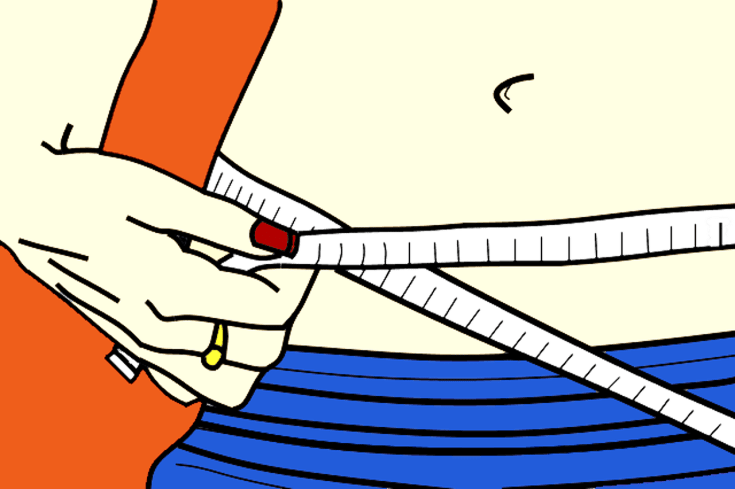
Do you ever feel like no matter how much you exercise or eat right, the weight doesn’t change? Or maybe if you’re eating right and exercising, why are you gaining weight? What if you are losing a lot of weight without even trying? So many scenarios but how do you find out what’s the cause of these results? Recently, I had blood work done to check how my thyroid was functioning so that I could assess where I fit in these scenarios. Pretty important to know so I could address the situation but first I had to know a little more about the thyroid gland.
The thyroid gland is a small, butterfly-shaped gland located in the neck. Despite its small size, it plays a significant role in regulating our metabolism and other bodily functions. The thyroid gland produces hormones that are essential for maintaining our body’s metabolism and energy levels. When the thyroid gland isn’t functioning correctly, it can lead to various health issues, including weight gain.
Thyroid hormones regulate our metabolism, which determines how much energy we burn throughout the day. These hormones regulate the rate at which the body converts food into energy, which affects the number of calories we burn. When thyroid hormone levels are low, it slows down our metabolism, and we tend to gain weight even if we’re eating the same amount of food as before.
Hypothyroidism, a condition where the thyroid gland produces low levels of thyroid hormone, is one of the most common causes of weight gain. People with hypothyroidism often experience fatigue, sluggishness, and weight gain, despite following a healthy diet and exercise routine. Other symptoms may include dry skin, constipation, and cold intolerance.
Hyperthyroidism, a condition where the thyroid gland produces too much thyroid hormone, can also lead to weight gain. Although people with hyperthyroidism tend to lose weight due to increased metabolism, they may gain weight if their condition is left untreated for an extended period.
The thyroid gland plays a crucial role in regulating our metabolism and energy levels. Any disruption in thyroid hormone production can impact our body’s ability to burn calories, leading to weight gain. If you’re experiencing unexplained weight gain or other symptoms, it’s essential to speak with your healthcare provider to rule out any underlying thyroid issues. Your doctor will likely suggest a blood test before any determination about your thyroid is made. As for me, everything is ok, I’m just having a tough time to lose weight. On to the next journey, to figure out how to achieve my fitness goals.
Stay well!
-
Jello for Collagen
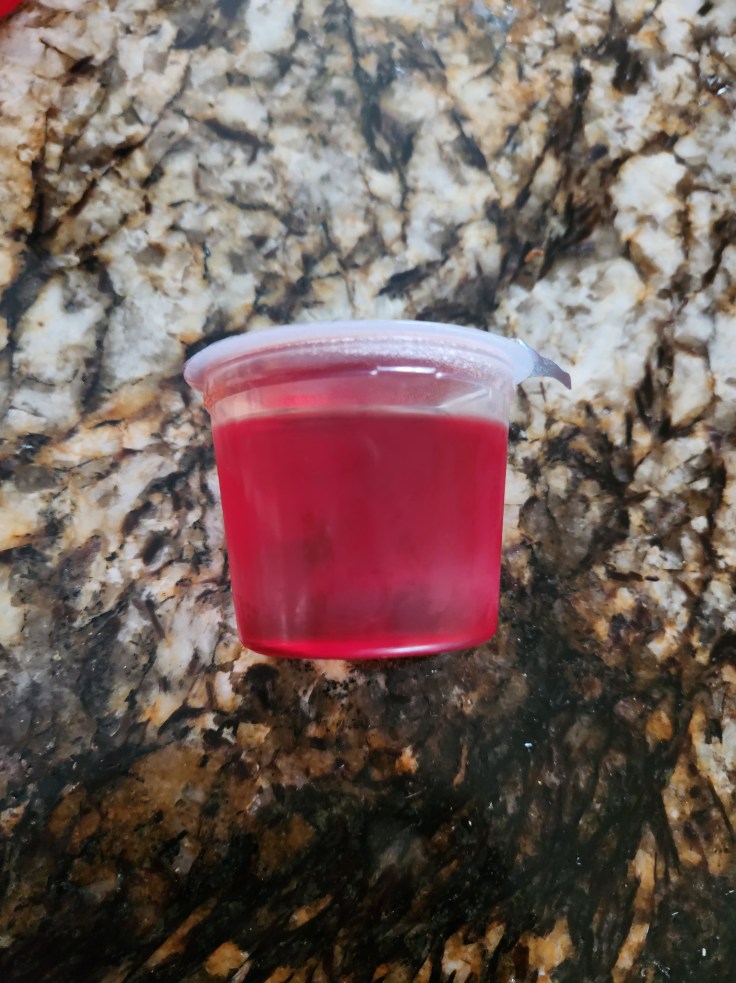
Do you enjoy bone broth? Or collagen powder? Or do you want to eat Jello? Tough decision right? I like all three but sometimes Jello just hits the spot.. dessert and I get my collagen in! But how?
Collagen is the most abundant protein in the human body and is essential for healthy skin, bones, and joints. As we age, our body’s ability to produce collagen decreases, which can lead to wrinkles, joint pain, and other signs of aging.
One way to support collagen production is by consuming foods that are rich in collagen. Sugar-free jello is one such food that can help boost collagen levels in the body. Yeah, I like the sugar-free version and can hardly tell the difference. Plus, these Jello cups are always on sale somewhere so that’s another win!
Most sugar-free jello products contain collagen peptides, which are a form of collagen that is more easily absorbed by the body. Collagen peptides have been shown to help improve skin elasticity, reduce joint pain, and promote healthy hair and nails.
In addition to containing collagen peptides, sugar-free jello is also low in calories and sugar, making it a guilt-free dessert option. It’s easy to make and comes in a variety of flavors, so you can enjoy a tasty treat while supporting your body’s collagen production.
Sugar-free jello can be a tasty and convenient way to support your body’s collagen production. By including it as part of a healthy and balanced diet, you can enjoy the benefits of collagen while satisfying your sweet tooth. Yum!
Stay well!
-
Pectin vs Collagen Gummies
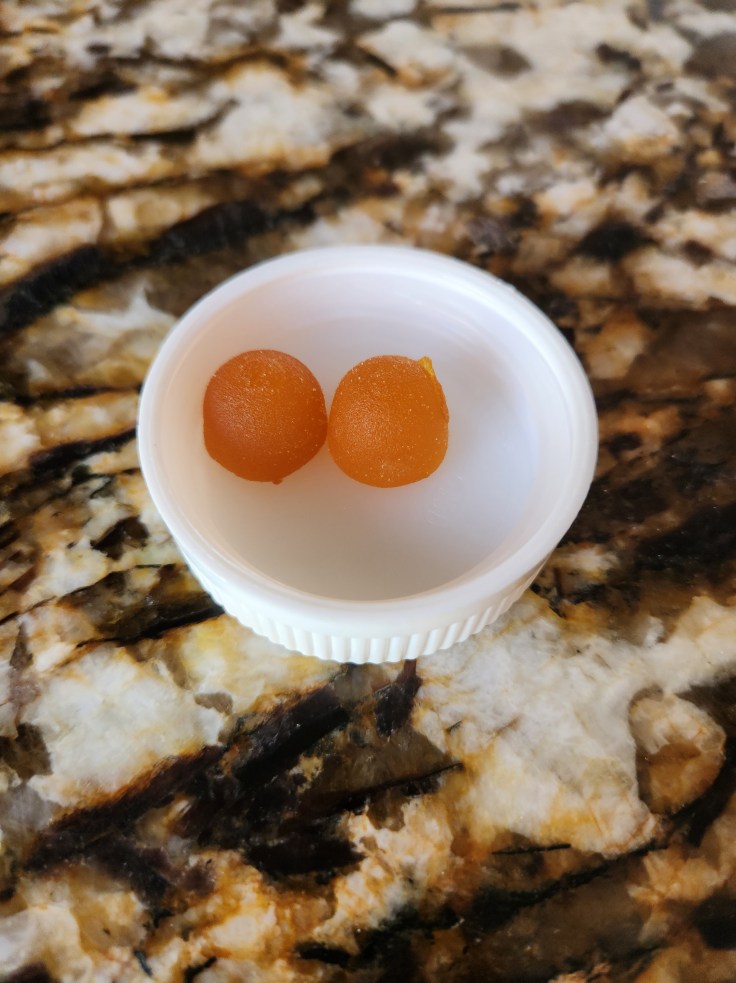
Adhering to taking supplements as tablets and softgels is tough so I really like taking gummies. However, gummies with gelatin are usually not my preferred ones. My guess is that many people don’t even know there is another option. Pectin, a type of plant-based fiber, is an alternative to gelatin that can be used to make gummies suitable for vegans and vegetarians. In this blog post, we’ll explore the differences between pectin and collagen as gummy-making ingredients.
Pectin is a soluble fiber that is found in the cell walls of plants. It is commonly used in the food industry as a thickener and gelling agent. Pectin gummies are typically made with fruit juice or puree, sugar, and pectin. Unlike gelatin gummies, pectin gummies do not require heat to set, making them a popular choice for homemade gummy recipes.
Collagen, on the other hand, is a protein that is found in animal connective tissue, such as skin, bones, and cartilage. When heated, collagen proteins unravel and form a gel-like substance that gives gummies their chewy texture. Collagen gummies are often marketed as a source of protein and are popular among athletes and fitness enthusiasts. As of now, I’ve only seen bovine based gelatin even though you may see marine collagen powder like Vital Proteins has but it hasn’t made its way to gummies yet!
One of the main differences between pectin and collagen gummies is their texture. Pectin gummies are softer and less chewy than collagen gummies. They also have a slightly grainy texture due to the presence of pectin fibers. Collagen gummies, on the other hand, are firmer and more chewy, with a smoother texture. I personally prefer the softer texture of pectin gummies so I always look for pectin in the product label.
Another difference between pectin and collagen gummies is their nutritional value. Pectin is a source of dietary fiber and is often used in health foods and supplements to promote digestive health. Collagen, on the other hand, is a source of protein and is often used in sports nutrition supplements to support muscle growth and recovery.
When it comes to making gummies, both pectin and collagen have their advantages and disadvantages. Pectin gummies are suitable for vegans and vegetarians and are easier to make at home without special equipment. Collagen gummies, on the other hand, are a good source of protein and have a chewier texture, but they are not suitable for vegans or vegetarians.
Regardless of your preference, buy the gummies you’re likely to eat! Pectin gummies are a good choice for vegans and vegetarians, while collagen gummies are a good choice for athletes and fitness enthusiasts. Remember, an added bonus, gummies are a fun and tasty way to enjoy a sweet treat!
Stay well!
-
Granola snacking
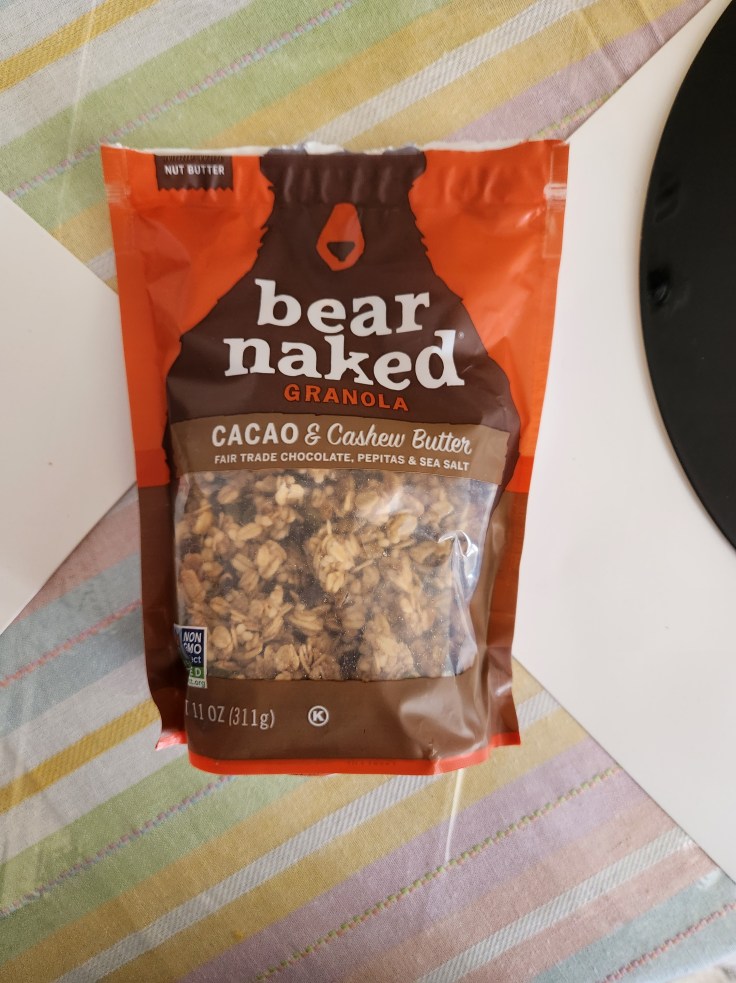
One of my favorite snacks is to granola. I’m partial to the Bear Naked ones as they taste amazing. Granola is made with rolled oats, nuts, seeds, and sweeteners such as honey or maple syrup. Granola can be eaten as a cereal with milk or yogurt, or it can be added to smoothies, trail mix, or baked goods for an extra crunch.
If you’re looking to add granola to your diet, there are a few things you should consider. First, make sure to choose a granola that is low in added sugars. Many store-bought granolas are loaded with sugar, which can lead to blood sugar spikes and crashes. Look for granolas that are sweetened with natural sweeteners like honey or maple syrup, or choose unsweetened granola and add your own sweeteners, like fresh fruit or a drizzle of honey. Adding granola to Greek yogurt is truly a satisfying snack–I highly recommend this.
Next, pay attention to the ingredients in your granola. Look for a mix of nuts and seeds that provide healthy fats, protein, and fiber. Some great options include almonds, walnuts, pumpkin seeds, and chia seeds. You can also look for granolas that contain dried fruit for an extra boost of flavor and nutrients. Not going to lie, I look for small pieces of chocolate too.
Finally, be mindful of your portion sizes. Granola can be calorie-dense, so it’s important to measure out your servings. A typical serving size is around 1/4 to 1/2 cup, depending on your calorie needs. You can also add more bulk to your granola by mixing it with low-sugar cereal or adding more fresh fruit.
In summary, granola can be a healthy and tasty addition to your diet if you choose the right kind and pay attention to portion sizes. Look for granolas that are low in added sugars, contain a mix of nuts and seeds, and watch your serving sizes to avoid overeating. Happy snacking!
Stay well!
-
Why is krill oil popular?

Achieving weight goals can be a challenging journey, but making certain changes to your behaviors can significantly help you achieve your goal. One such change might be including krill oil in your supplement regiment. As always check with your doctor before trying supplements.
What is krill oil? Krill oil is supplement that is derived from tiny shrimp-like crustaceans called krill. Krill oil is an excellent source of omega-3 fatty acids, phospholipids, and antioxidants. Why take krill oil?
- Cardiovascular Health
Krill oil is rich in omega-3 fatty acids, which have been shown to support cardiovascular health. Omega-3 fatty acids can lower triglyceride levels, reduce blood pressure, and decrease the risk of heart disease. Krill oil’s unique phospholipid structure also makes it easier for the body to absorb and utilize omega-3 fatty acids.
- Brain Health
Krill oil’s omega-3 fatty acids, particularly DHA (docosahexaenoic acid), play an essential role in brain health. DHA is a major component of brain cell membranes and is essential for brain function and development. Research has shown that omega-3 fatty acids may help improve memory, focus, and mood.
- Joint Health
Krill oil’s anti-inflammatory properties can help reduce joint pain and stiffness. The omega-3 fatty acids in krill oil may also help improve joint mobility and flexibility. Krill oil’s phospholipid structure can also help reduce inflammation and improve joint function more effectively than other sources of omega-3 fatty acids.
- Skin Health
Krill oil’s high antioxidant content can help protect the skin from damage caused by free radicals and UV radiation. Krill oil’s omega-3 fatty acids can also help reduce inflammation in the skin, which can help improve conditions such as acne and eczema.
- Eye Health
Krill oil’s omega-3 fatty acids, particularly DHA, are essential for eye health. DHA is a major component of the retina and helps maintain its structure and function. Research has shown that omega-3 fatty acids may help reduce the risk of age-related macular degeneration and improve visual function.
So based on the above potential benefits of krill oil, are you likely to include it in your supplement portfolio?
Stay well!
-
How do you choose a supplement?

I try a lot of supplements on and off and I choose them based on many reasons that are applicable for me. I wanted to share what’s important to me in this post. However, always consult your doctor if unsure if something is right for you.
- Determine Your Needs: The first step in selecting a supplement is to identify your specific needs. Are you looking to boost your immune system, enhance your athletic performance, or improve your skin health? Once you have determined your needs, you can narrow down your options to supplements that address those needs.
- Check the Ingredients: It is crucial to read the ingredients list carefully and ensure that the supplement contains the necessary nutrients or compounds. Make sure to avoid supplements with excessive additives or fillers that may be harmful or provide no benefits. Also, be wary of proprietary blends on the label if it doesn’t give you the names of the ingredients in it.
- Look for Third-Party Testing: Third-party testing is an essential factor to consider when choosing a supplement. Look for products that have undergone independent testing to verify the purity, potency, and safety of the supplement.
- Research the Brand: It is crucial to research the brand before purchasing any supplement. Look for reputable brands that have a proven track record of producing high-quality products. Also, check out the FDA site for any recall information on the brand.
- Check for Certifications: Certifications from regulatory bodies like the FDA, NSF International, or US Pharmacopeia indicate that the supplement has undergone stringent testing and meets quality standards.
- Consult a Healthcare Professional: Before starting any new supplement, it is advisable to consult a healthcare professional. They can advise you on the safety and efficacy of the supplement and any potential interactions with other medications or health conditions.
In conclusion, selecting the right supplement requires careful consideration of your needs, ingredients, testing, brand, certifications, and professional guidance. Hope this post gives you a starting point to determine how to select a supplement. Remember, our bodies are unique so what works for one person might not work for another.
Stay well!
-
Probiotics and MCT oil
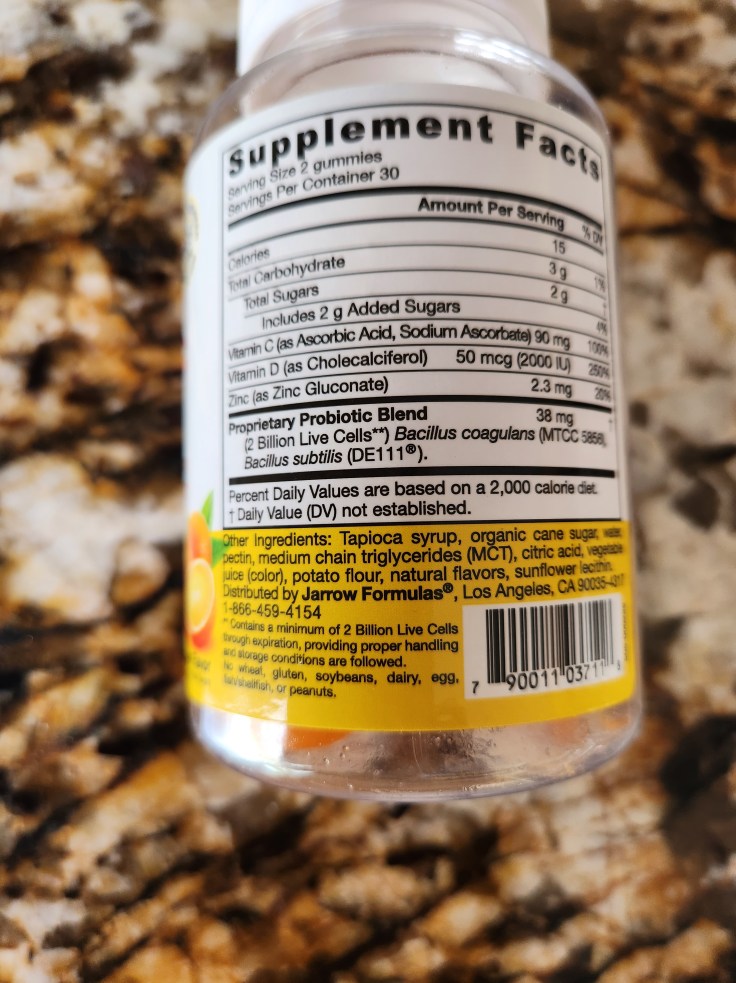
I started taking a new supplement that has both probiotics and MCT (medium chain triglycerides) oil. The supplement is a gummy. You’ve probably heard of MCT oil in terms of the keto diet or bulletproof coffee but how about in a gummy? Looking at the ingredients, I got to thinking about why probiotics are in this gummy with MCT oil.
Let’s start at the beginning. Probiotics are live bacteria and yeasts that are believed to promote a healthy gut microbiome (many of us get probiotics from yogurt), while MCT oil is a type of fat that is easily converted into energy by the body. The gummies I’m taking having the most common probiotic you’ll see in supplements, bacillus coagulans along with bacillus subtillis. So why combine both ingredients?
- Improved absorption: MCT oil is quickly and easily absorbed by the body, and when it is combined with probiotics, it can help to improve the absorption of the beneficial bacteria. This means that the probiotics are more likely to reach the gut, where they can have the most impact on gut health.
- Enhanced effectiveness: MCT oil can act as a prebiotic, which means it helps to feed the probiotics in the gut, making them more effective. By providing the probiotics with the energy they need to grow and thrive, MCT oil can help to support a healthy gut microbiome.
- Reduced inflammation: Both probiotics and MCT oil have been shown to have anti-inflammatory properties. When they are combined, they may be even more effective at reducing inflammation in the gut, which can help to improve digestive health and reduce the risk of chronic diseases.
- Increased energy: MCT oil is a quick and easy source of energy for the body (hence it’s a part of the keto diet), and when combined with probiotics, it can help to increase energy levels even more. This can be especially beneficial for athletes and people who need an extra boost of energy throughout the day.
Next time you pick up a gummy supplement with MCT and probiotics, you now know why they are combined together. As always, check with your doctor before taking a supplement.
Stay well!
-
Losing weight after 40 yrs old!
One day you get up and you’re 40 and gaining weight! Why? What happened? Losing weight is never an easy feat, but it can be especially challenging for those over 40. As we age, our bodies undergo various changes that can make shedding those extra pounds a difficult task. Is there anything that can be done?
- Slower metabolism: As we age, our metabolism naturally slows down. This means that our bodies burn fewer calories at rest, making it harder to lose weight.
- Hormonal changes: Hormonal changes that occur during menopause can contribute to weight gain.
- Decreased physical activity: Many people become less physically active as they age, which can make it harder to lose weight. Additionally, age-related injuries and illnesses may make it more difficult to engage in physical activity.
- Poor sleep: As we age, our sleep patterns can be disrupted, which can affect our weight. Poor sleep can lead to hormonal imbalances that make it harder to lose weight and can increase our appetite and cravings.
- Stress: As we age, we may experience more stress due to life changes such as retirement or caring for aging parents. This stress can lead to overeating and poor food choices.
While losing weight after 40 may be more challenging, it’s not impossible. Here are some tips to help you achieve your weight loss goals:
- Focus on strength training: Strength training can help build muscle mass, which can help boost metabolism and burn more calories.
- Get enough sleep: Aim for 7-8 hours of sleep each night to help regulate hormones and reduce cravings.
- Be mindful of what you eat: Focus on whole, nutrient-dense foods and avoid processed and sugary foods that can contribute to weight gain.
- Manage stress: Practice stress-reducing techniques such as yoga, meditation, or deep breathing exercises to help reduce stress and avoid overeating.
- Stay active: Incorporate physical activity into your daily routine, such as taking daily walks, trying new exercise classes, or joining a sports team.
Stay well!
-
Climate change

If you’ve been following the news lately, you’ve probably seen all the weather calamities that we’ve been facing. No matter your stance on climate change, it’s here and there is no avoiding the effects. There are some small actions you can undertake to contribute to preserve our environment but first let’s talk about how you see the impact of climate change.
Living in Northeastern US, usually our winters have a lot of snow but this year it was truly warm. California on-the-otherhand had snow, floods, downpours, tornado, and earthquakes. Places that have had no previous weather phenoma like tornadoes now have them. What explains this?
Remember, our oceans are salty. With every melt of the ice caps, more water is being dumped into the ocean which is causing an imbalance to our environment as well as for those animals living in the waters. With more contribution from human consumption, more carbon dioxide and other gases are released into the environment leading to faster melting of our polar ice caps. If you think it doesn’t affect you, our food supply is truly dependent on the climate so it will affect you when food prices start going up along with other everyday needs. Despite all this, each person can make a difference. What can you do?
- Support renewable energy: Use renewable energy sources such as solar or wind to power your home or business. If you cannot afford to install renewable energy systems, you can still support them by purchasing renewable energy credits or green power.
- Use energy-efficient appliances: When buying appliances, look for energy-efficient models that use less energy and save you money on your utility bills.
- Reduce waste: Reduce the amount of waste you produce by recycling, composting, and using reusable products. For example, use a reusable water bottle instead of buying disposable plastic bottles.
Next time the weather looks rough in your neighborhood, think about why it’s occurring and how you can contribute to alter your environment!
Stay well!
-
It’s time-Spring Allergies are here!

I love Spring time! More sun, better weather, birds chirping, and more time outside. Unfortunately, for some people, spring also brings seasonal allergies that can make it difficult to enjoy the season. The good news is that there are natural ways to treat spring allergies that can help you find relief without relying on medications.
- Keep your windows closed
Keeping your windows closed can help keep pollen out of your home. If you need fresh air, try using an air purifier with a HEPA filter to trap pollen and other allergens. Also, while doing this, consider replacing your filter for the AC, good time to do this spring cleaning activity.
- Try natural remedies
There are many natural remedies that can help alleviate allergy symptoms. These include:
- Quercetin: a natural antihistamine found in foods like apples, onions, and black tea.
- Neti pot: using a saline solution to flush out your sinuses can help relieve congestion and reduce allergy symptoms. I find this super effective!
- Local honey: consuming honey produced by bees in your local area can help desensitize your body to pollen from those plants. I like honey all year, be it in tea or on a spoon.
- Eat an anti-inflammatory diet
Eating a diet rich in anti-inflammatory foods can help reduce allergy symptoms. This includes foods like leafy greens, berries, fatty fish, and turmeric.
- Stay hydrated
Drinking plenty of water can help thin mucus and reduce congestion, making it easier to breathe. I can’t stress enough how much water matters!
- Exercise indoors
Exercising indoors can help you avoid exposure to pollen and other allergens. Try yoga, Pilates, or indoor cycling to stay active during allergy season.
- Manage stress
Stress can weaken your immune system, making you more susceptible to allergies. Practice stress-management techniques like meditation, deep breathing, or yoga to keep your stress levels in check. By incorporating these tips into your routine, you can enjoy all that spring has to offer without suffering from allergy symptoms.
By incorporating these tips into your routine, you can enjoy all that spring has to offer without suffering from allergy symptoms.
Stay well!
-
Subscribe
Subscribed
Have a WordPress.com account? Log in now.

