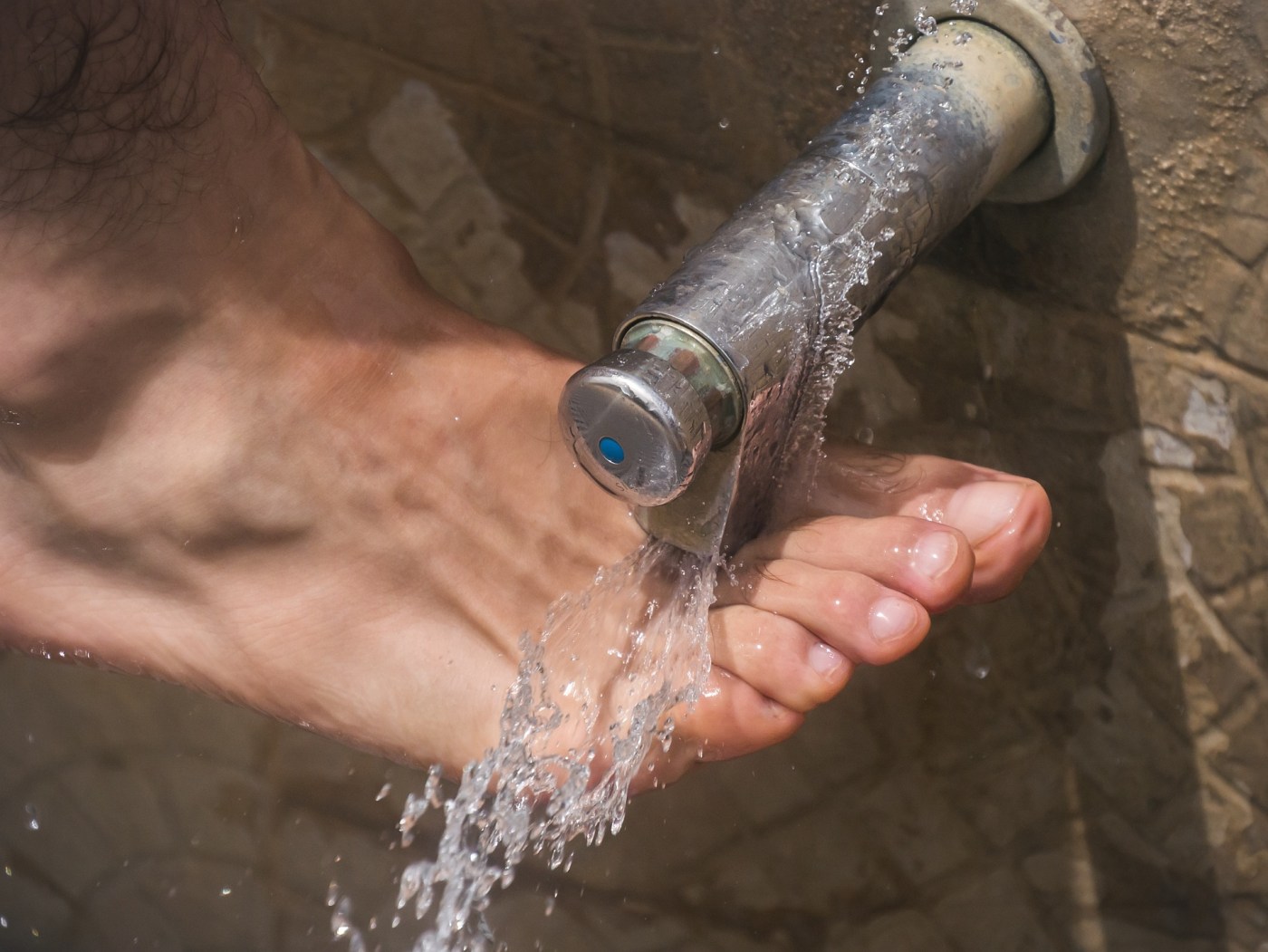
Do you like to drink water or struggle with it? For me, it all depends on my mood that day. But have you ever wondered exactly how much of the human body is made up of water? Let’s find out.
The human body is composed of various elements, including oxygen, carbon, and hydrogen. However, water is by far the most abundant substance, accounting for approximately 60% of the human body’s total weight–whoa! This percentage can vary slightly depending on factors such as age, sex, and body composition. For example, males tend to have a higher water content than females, as do individuals with more muscle mass. Plus, if you take creatine while working out, you’re likely to retain even more water.
So why is water such a critical component of the human body? There are several reasons. First, water plays a crucial role in maintaining the body’s temperature. Through a process known as thermoregulation, the body uses water to help regulate its temperature and prevent overheating or cooling down too quickly.
Water also serves as a lubricant in the body, helping to protect joints and other tissues from damage. It helps to cushion and protect vital organs, such as the brain and spinal cord, and is an essential component of mucus and other bodily fluids that help to keep tissues moist.
Another critical function of water in the body is to aid in digestion and nutrient absorption. Water helps to break down food and carry nutrients to cells throughout the body. It also helps to remove waste products from the body through processes such as urination and sweating.
In addition to its essential physiological functions, water is also vital for overall health and wellbeing. Dehydration, or not having enough water in the body, can lead to a range of symptoms, including fatigue, dizziness, and confusion. In severe cases, dehydration can even be life-threatening.
To maintain optimal hydration levels, it’s recommended that individuals drink at least 8 glasses of water per day, or approximately 2 liters. However, individual needs may vary depending on factors such as activity level, climate, and overall health status. It’s also important to note that other beverages, such as tea, coffee, and juice, can contribute to overall hydration levels.
Stay well!
 amitunfiltered.com
Leave a comment