-
Which supplement should I take? #Supplement Explorer
Are you always on your phone looking at which supplements you should take? Do you look at reviews? How do you decide what to buy?
As someone who has been in the nutraceutical industry for over 10 years, I’ve worked with many suppliers and companies to understand why an ingredient is chosen, what research is behind it, and how to sell it to a consumer, so if you are looking for some answers to questions you may have, drop a comment, or even better check out the Supplement Explorer on the site. It is free to use, 3 questions, and a simple output. No info is stored.I made the Supplement Explorer purely for my use and then thought, well, if it is useful for me, maybe it is useful for others. The tool is not affiliated with any company or brand, but was just a way for me to showcase what I find useful. If you use it, do give me feedback as to what you’d like to see it on too.
Stay well and remember, before taking any supplements, check with your doctor if it is a good fit for you or not!
-
How do you choose a supplement?

I try a lot of supplements on and off and I choose them based on many reasons that are applicable for me. I wanted to share what’s important to me in this post. However, always consult your doctor if unsure if something is right for you.
- Determine Your Needs: The first step in selecting a supplement is to identify your specific needs. Are you looking to boost your immune system, enhance your athletic performance, or improve your skin health? Once you have determined your needs, you can narrow down your options to supplements that address those needs.
- Check the Ingredients: It is crucial to read the ingredients list carefully and ensure that the supplement contains the necessary nutrients or compounds. Make sure to avoid supplements with excessive additives or fillers that may be harmful or provide no benefits. Also, be wary of proprietary blends on the label if it doesn’t give you the names of the ingredients in it.
- Look for Third-Party Testing: Third-party testing is an essential factor to consider when choosing a supplement. Look for products that have undergone independent testing to verify the purity, potency, and safety of the supplement.
- Research the Brand: It is crucial to research the brand before purchasing any supplement. Look for reputable brands that have a proven track record of producing high-quality products. Also, check out the FDA site for any recall information on the brand.
- Check for Certifications: Certifications from regulatory bodies like the FDA, NSF International, or US Pharmacopeia indicate that the supplement has undergone stringent testing and meets quality standards.
- Consult a Healthcare Professional: Before starting any new supplement, it is advisable to consult a healthcare professional. They can advise you on the safety and efficacy of the supplement and any potential interactions with other medications or health conditions.
In conclusion, selecting the right supplement requires careful consideration of your needs, ingredients, testing, brand, certifications, and professional guidance. Hope this post gives you a starting point to determine how to select a supplement. Remember, our bodies are unique so what works for one person might not work for another.
Stay well!
-
Probiotics and MCT oil
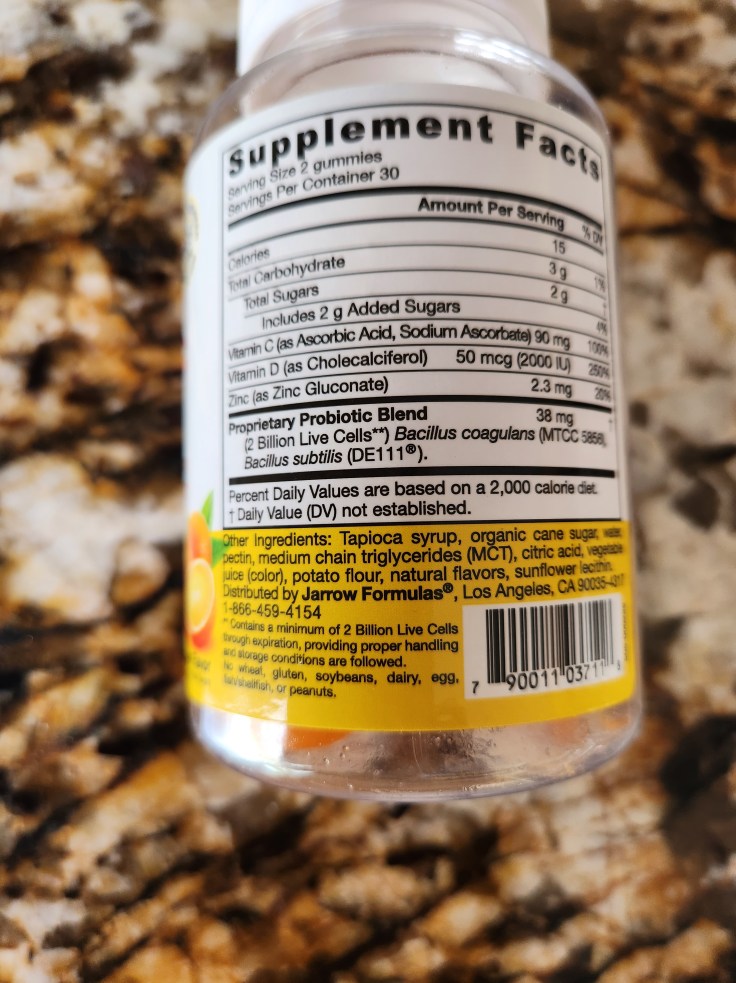
I started taking a new supplement that has both probiotics and MCT (medium chain triglycerides) oil. The supplement is a gummy. You’ve probably heard of MCT oil in terms of the keto diet or bulletproof coffee but how about in a gummy? Looking at the ingredients, I got to thinking about why probiotics are in this gummy with MCT oil.
Let’s start at the beginning. Probiotics are live bacteria and yeasts that are believed to promote a healthy gut microbiome (many of us get probiotics from yogurt), while MCT oil is a type of fat that is easily converted into energy by the body. The gummies I’m taking having the most common probiotic you’ll see in supplements, bacillus coagulans along with bacillus subtillis. So why combine both ingredients?
- Improved absorption: MCT oil is quickly and easily absorbed by the body, and when it is combined with probiotics, it can help to improve the absorption of the beneficial bacteria. This means that the probiotics are more likely to reach the gut, where they can have the most impact on gut health.
- Enhanced effectiveness: MCT oil can act as a prebiotic, which means it helps to feed the probiotics in the gut, making them more effective. By providing the probiotics with the energy they need to grow and thrive, MCT oil can help to support a healthy gut microbiome.
- Reduced inflammation: Both probiotics and MCT oil have been shown to have anti-inflammatory properties. When they are combined, they may be even more effective at reducing inflammation in the gut, which can help to improve digestive health and reduce the risk of chronic diseases.
- Increased energy: MCT oil is a quick and easy source of energy for the body (hence it’s a part of the keto diet), and when combined with probiotics, it can help to increase energy levels even more. This can be especially beneficial for athletes and people who need an extra boost of energy throughout the day.
Next time you pick up a gummy supplement with MCT and probiotics, you now know why they are combined together. As always, check with your doctor before taking a supplement.
Stay well!
-
Losing weight after 40 yrs old!

One day you get up and you’re 40 and gaining weight! Why? What happened? Losing weight is never an easy feat, but it can be especially challenging for those over 40. As we age, our bodies undergo various changes that can make shedding those extra pounds a difficult task. Is there anything that can be done?
- Slower metabolism: As we age, our metabolism naturally slows down. This means that our bodies burn fewer calories at rest, making it harder to lose weight.
- Hormonal changes: Hormonal changes that occur during menopause can contribute to weight gain.
- Decreased physical activity: Many people become less physically active as they age, which can make it harder to lose weight. Additionally, age-related injuries and illnesses may make it more difficult to engage in physical activity.
- Poor sleep: As we age, our sleep patterns can be disrupted, which can affect our weight. Poor sleep can lead to hormonal imbalances that make it harder to lose weight and can increase our appetite and cravings.
- Stress: As we age, we may experience more stress due to life changes such as retirement or caring for aging parents. This stress can lead to overeating and poor food choices.
While losing weight after 40 may be more challenging, it’s not impossible. Here are some tips to help you achieve your weight loss goals:
- Focus on strength training: Strength training can help build muscle mass, which can help boost metabolism and burn more calories.
- Get enough sleep: Aim for 7-8 hours of sleep each night to help regulate hormones and reduce cravings.
- Be mindful of what you eat: Focus on whole, nutrient-dense foods and avoid processed and sugary foods that can contribute to weight gain.
- Manage stress: Practice stress-reducing techniques such as yoga, meditation, or deep breathing exercises to help reduce stress and avoid overeating.
- Stay active: Incorporate physical activity into your daily routine, such as taking daily walks, trying new exercise classes, or joining a sports team.
Stay well!
-
Climate change

If you’ve been following the news lately, you’ve probably seen all the weather calamities that we’ve been facing. No matter your stance on climate change, it’s here and there is no avoiding the effects. There are some small actions you can undertake to contribute to preserve our environment but first let’s talk about how you see the impact of climate change.
Living in Northeastern US, usually our winters have a lot of snow but this year it was truly warm. California on-the-otherhand had snow, floods, downpours, tornado, and earthquakes. Places that have had no previous weather phenoma like tornadoes now have them. What explains this?
Remember, our oceans are salty. With every melt of the ice caps, more water is being dumped into the ocean which is causing an imbalance to our environment as well as for those animals living in the waters. With more contribution from human consumption, more carbon dioxide and other gases are released into the environment leading to faster melting of our polar ice caps. If you think it doesn’t affect you, our food supply is truly dependent on the climate so it will affect you when food prices start going up along with other everyday needs. Despite all this, each person can make a difference. What can you do?
- Support renewable energy: Use renewable energy sources such as solar or wind to power your home or business. If you cannot afford to install renewable energy systems, you can still support them by purchasing renewable energy credits or green power.
- Use energy-efficient appliances: When buying appliances, look for energy-efficient models that use less energy and save you money on your utility bills.
- Reduce waste: Reduce the amount of waste you produce by recycling, composting, and using reusable products. For example, use a reusable water bottle instead of buying disposable plastic bottles.
Next time the weather looks rough in your neighborhood, think about why it’s occurring and how you can contribute to alter your environment!
Stay well!
-
It’s time-Spring Allergies are here!

I love Spring time! More sun, better weather, birds chirping, and more time outside. Unfortunately, for some people, spring also brings seasonal allergies that can make it difficult to enjoy the season. The good news is that there are natural ways to treat spring allergies that can help you find relief without relying on medications.
- Keep your windows closed
Keeping your windows closed can help keep pollen out of your home. If you need fresh air, try using an air purifier with a HEPA filter to trap pollen and other allergens. Also, while doing this, consider replacing your filter for the AC, good time to do this spring cleaning activity.
- Try natural remedies
There are many natural remedies that can help alleviate allergy symptoms. These include:
- Quercetin: a natural antihistamine found in foods like apples, onions, and black tea.
- Neti pot: using a saline solution to flush out your sinuses can help relieve congestion and reduce allergy symptoms. I find this super effective!
- Local honey: consuming honey produced by bees in your local area can help desensitize your body to pollen from those plants. I like honey all year, be it in tea or on a spoon.
- Eat an anti-inflammatory diet
Eating a diet rich in anti-inflammatory foods can help reduce allergy symptoms. This includes foods like leafy greens, berries, fatty fish, and turmeric.
- Stay hydrated
Drinking plenty of water can help thin mucus and reduce congestion, making it easier to breathe. I can’t stress enough how much water matters!
- Exercise indoors
Exercising indoors can help you avoid exposure to pollen and other allergens. Try yoga, Pilates, or indoor cycling to stay active during allergy season.
- Manage stress
Stress can weaken your immune system, making you more susceptible to allergies. Practice stress-management techniques like meditation, deep breathing, or yoga to keep your stress levels in check. By incorporating these tips into your routine, you can enjoy all that spring has to offer without suffering from allergy symptoms.
By incorporating these tips into your routine, you can enjoy all that spring has to offer without suffering from allergy symptoms.
Stay well!
-
My feet are cold!

Are you like me and your feet tend to be cold no matter the season? I’m not a fan of wearing socks while at home but they do help. All this got me to wondering why my feet are cold!
- Poor circulation: I always think this is my problem but it’s hard to pinpoint why. Your body needs good blood flow to keep your extremities warm. If your feet aren’t getting enough blood, they can feel cold. Poor circulation can be caused by a variety of factors, including sitting or standing for long periods, wearing tight shoes, or underlying health conditions like diabetes or Raynaud’s disease.
- Low room temperature: If the temperature in your home or office is too low, your feet might be feeling the effects. Even if the rest of your body is warm, your feet can still feel cold if the surrounding air is chilly. However, there is a line between keeping the house too warm or too cold, you got consider what it’s like for others in the house too. No win situation at times.
- Wearing the wrong shoes: Shoe choice definitely can have an impact. How so? If your shoes are too thin or don’t provide enough insulation, your feet might be feeling the cold. This is especially true if you’re outside in cold weather, as your shoes need to protect your feet from the elements.
- Anemia: Anemia is a condition in which your body doesn’t have enough red blood cells. This can lead to poor circulation and cold feet. My doctor’s have ruled this out so back to wearing socks!
- Nerve damage: Nerve damage can also cause your feet to feel cold. This is often the case with conditions like peripheral neuropathy, which can cause numbness, tingling, and other uncomfortable sensations. I thought about this as being a cause but not sure how to diagnose this esy since my doctor didn’t really find any immediate concerns.
If you’re experiencing cold feet, there are some things you can do to help warm them up. Try wearing warm socks and shoes, using a heating pad or hot water bottle, and moving around to get your blood flowing. All of these aforementioned tips are my go to for now. However, if your cold feet are accompanied by other symptoms, like pain or numbness, it’s a good idea to talk to your doctor to rule out any underlying health conditions.
Stay well!
-
First things you do after coming home from travel

After I come home from a work trip or even vacation, I have a routine. Do you too? Here are a few things that are common:
- Reconnect with loved ones: After spending time away from family and friends, the first thing most people do is to reconnect with loved ones. I really enjoy the many kisses that my dog greets me with, unconditional love for sure. Of course, my human family is just as happy to see me too.
- Rest and Relaxation: Work travel can be exhausting, and many people feel drained after long flights, jet lag, and back-to-back meetings. So, for me, I immediately take a shower and unwind by lounging around. Nothing beats a shower in your own home, right?!
- Unpacking and organizing: I also usually unpack and throw stuff into laundry because this helps me get back into a routine and prepare for the next workday.
- Eating their favorite meal: After eating out for several days, a home-cooked meal is a must. Usually for me, it’s Indian food as that’s as close to home as I can get.
- Planning for the next trip: For frequent travelers, work travel is a way of life. Hopefully, this happens less frequently but if another trip is upcoming it’s time to repack and get ready to go again.
So how many of these do you do after coming home from traveling?
Stay well!
-
Work Dinners: how to manage

When I travel for work, I not only have to worry about what to wear but how to eat! Can it be eaten by a fork? Will it be messy etc. are just some of the questions that I think of before ordering. So is there a better way to manage work dinners?
- Check the menu ahead of time!
Before you arrive at your destination, research the restaurants that are nearby, their menus, and their price range. If you have specific dietary requirements or preferences, be sure to inform your colleagues or clients in advance so that they can make the necessary arrangements. This will ensure that everyone is happy with the choice of restaurant and that you can relax and enjoy the meal.
- Dress Appropriately
Make sure that you dress appropriately for the occasion. You don’t want to be overdressed or underdressed, as this can make you feel uncomfortable and self-conscious. When in doubt, ask your colleagues or hosts what the dress code is. It’s always better to be overdressed than underdressed.
- Be on Time
Arrive at the restaurant on time or a few minutes early. Being punctual shows that you respect your colleagues’ time and that you’re reliable. If you’re running late, be sure to inform your colleagues or hosts as soon as possible.
- Be Present
During the dinner, focus on the conversation and the people around you. Put away your phone and avoid checking emails or messages. This is an opportunity to build relationships, and you want to show that you’re engaged and interested.
- Don’t Drink Too Much
While it’s fine to enjoy a glass of wine or a cocktail with your meal, don’t overdo it. Remember, this is a work-related dinner, and you want to maintain a professional demeanor. If you’re unsure about how much to drink, follow your colleagues’ lead.
- Thank Your Hosts
At the end of the dinner, be sure to thank your hosts for the meal and the opportunity to get together. This will show that you appreciate their efforts and that you enjoyed the evening.
Work dinners don’t have to be too stressful! Just remember be comfortable and engage, the rest will become easy.
Stay well!
-
Work travel and sleep

If you’re like me and travels for work, you may have experienced trouble sleeping at night. Why is that? Is it bed sheets? The diet? The air pressure? In this blog post, let’s discuss some of the reasons why you might struggle to sleep when you’re away from home, and what you can do to address the problem.
One of the most obvious reasons why you might struggle to sleep when traveling for work is simply that you’re in an unfamiliar environment. This can be a major challenge for many people, as the brain is wired to be alert in new situations, in order to keep you safe. When you’re staying in a hotel or a rental property, it can take time for your brain to get used to the new surroundings especially with all the doors slamming and people walking and chatting in the hallways, which can make it difficult to relax and fall asleep. Hotel life is not comfortable either unless you stay there multiple nights to adjust.
Another potential factor that can affect your sleep when traveling is jet lag. If you’re crossing multiple time zones, your body’s natural circadian rhythms can become disrupted, which can lead to fatigue during the day and difficulty sleeping at night. Jet lag can be particularly challenging for people who need to adjust to a new schedule quickly, such as those who are traveling for work. By far, jet lag and its effect are so underated especially when traveling in the US.
In addition to these more external factors, there are also a number of internal factors that can contribute to sleep problems when traveling. For example, stress and anxiety can be major culprits. If you’re traveling for work, you may be worried about meeting deadlines, impressing clients, or simply getting everything done on time. This kind of stress can make it difficult to switch off and relax, even when you’re tired.
So, what can you do to address these sleep issues when traveling for work? You may want to consider bringing along some familiar items from home, such as a favorite pillow or blanket, in order to create a more comfortable sleeping environment. You may also want to consider using a white noise machine or earplugs to block out any unfamiliar sounds. White noise really works for me, just play it on your phone by asking Google Assistant to play white noise and doze away.
Finally, if you’re struggling with stress or anxiety while traveling, it may be helpful to explore some relaxation techniques, such as meditation or deep breathing exercises. These can help to calm your mind and body, making it easier to fall asleep and stay asleep throughout the night. Meditation has been working for me too along with the white noise so you may need to double up.
In conclusion, sleep problems are a common issue for many people who travel for work. Whether it’s due to jet lag, unfamiliar surroundings, or stress and anxiety, there are a number of factors that can affect your ability to get a good night’s rest. Find what works best for you while you travel and sleep well!
Stay well!
-
Can you exercise while in an airplane?

This week I’ll be traveling and as much as I enjoy it, the downside is sitting on a plane for so many hours. What can you do about it but enjoy your journey via some movies or reading; however, I also found some exercises that work for me too. Here are some exercises you can do on an airplane to keep your blood flowing and your body active.
- Seated Leg Lifts: Start by sitting up straight in your seat with your feet flat on the floor. Lift one leg off the floor and extend it straight out in front of you. Hold for a few seconds before lowering it back down to the ground. Repeat with the other leg. This exercise will help stretch your hamstrings and keep your legs from getting stiff.
- Ankle Circles: While seated, lift one foot off the floor and rotate your ankle in a circular motion. Repeat for the other foot. This exercise will help improve blood circulation in your feet and ankles. This one is my favorite!
- Shoulder Rolls: Sit up straight and slowly roll your shoulders forward and backward. This exercise will help alleviate tension and stiffness in your neck and shoulders. Much needed when sitting!
- Seated Calf Raises: Angle your heels in front of you, lift your heels off the ground, rising up onto your toes. Hold for a few seconds before lowering your heels back down to the ground. Repeat for several reps. This exercise will help stretch your calf muscles and improve circulation in your legs. Another favorite of mine!
It’s important to remember that you don’t have to do all of these exercises at once. Choose a few that work for you and repeat them throughout your flight. Also, remember to stay hydrated and stretch regularly to prevent muscle stiffness and cramps. With a little bit of effort, you can stay active and healthy even while flying.
Stay well!
-
Subscribe
Subscribed
Already have a WordPress.com account? Log in now.
 amitunfiltered.com