-
AI 101: AI Explained
Do you struggle with AI? Have parents, friends, and others who struggle with terminology and understanding what AI is good for?
The guide defines basics terms that are often mentioned in numerous online videos and definitely can be confusing to a new user.
Check out my guide, free to use, no data collected.
-
Which supplement should I take? #Supplement Explorer
Are you always on your phone looking at which supplements you should take? Do you look at reviews? How do you decide what to buy?
As someone who has been in the nutraceutical industry for over 10 years, I’ve worked with many suppliers and companies to understand why an ingredient is chosen, what research is behind it, and how to sell it to a consumer, so if you are looking for some answers to questions you may have, drop a comment, or even better check out the Supplement Explorer on the site. It is free to use, 3 questions, and a simple output. No info is stored.I made the Supplement Explorer purely for my use and then thought, well, if it is useful for me, maybe it is useful for others. The tool is not affiliated with any company or brand, but was just a way for me to showcase what I find useful. If you use it, do give me feedback as to what you’d like to see it on too.
Stay well and remember, before taking any supplements, check with your doctor if it is a good fit for you or not!
-
Why is keratin important for your hair?
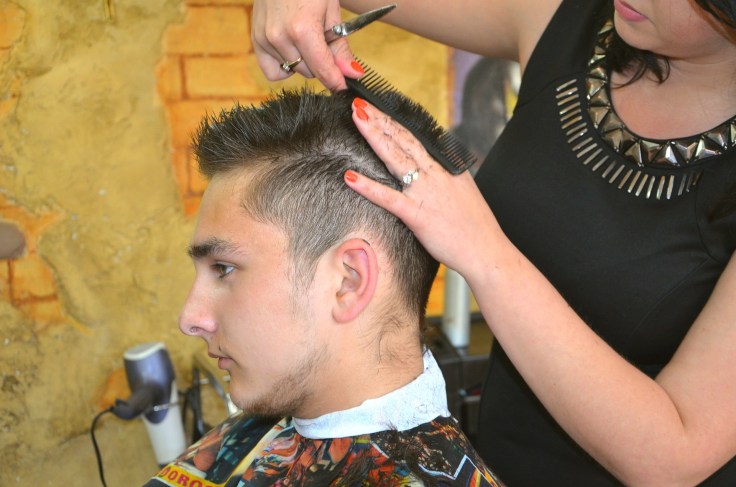
If you’ve been following along, you know that I enjoy Olly supplements because not only do they gave a great variety to choose from but also each supplement has a different benefit. One of my go to is Olly hair because it is so unicorn as it has amla and keratin along with biotin and other ingredients to promote hair growth. I know a lot about biotin and amla but needed to learn more about keratin and how it helps with achieving thicker hair. Read on to learn more!
- Strengthening the Hair Shaft:
Keratin is a fibrous protein that constitutes the structural framework of our hair shaft. Its role is paramount in forming a protective barrier around each hair strand, providing strength, elasticity, and resilience. Regular exposure to environmental factors, styling tools, and chemical treatments can strip the hair of its natural keratin, leading to weak and brittle hair. Using keratin-based hair products can help replenish and reinforce the hair shaft, effectively reducing breakage and promoting healthy hair growth.
- Encouraging Hair Growth:
Perhaps the most sought-after benefit of keratin for many is its ability to stimulate hair growth. By nourishing the hair follicles and supporting the production of new, healthy hair cells, keratin plays a pivotal role in promoting the growth phase of the hair cycle. This can lead to faster and more robust hair growth over time, making it an ideal solution for those looking to achieve longer and thicker locks.
- Repairing Damaged Hair:
Heat styling, chemical treatments, and environmental stressors can wreak havoc on our hair, causing extensive damage and compromising its overall health. Keratin acts as a repair agent, filling in the gaps and cracks along the hair shaft, resulting in smoother and more manageable hair. As the damaged areas are sealed, the hair becomes less prone to breakage, leading to accelerated hair growth.
- Reducing Hair Loss:
Hair loss can be disheartening and distressing for both men and women. Luckily, the application of keratin-based products can help counteract hair loss by fortifying the hair structure and revitalizing the scalp. As hair becomes healthier and stronger, the likelihood of excessive shedding decreases, paving the way for a more robust and voluminous mane.
- Restoring Natural Shine:
Dull, lifeless hair can dampen our confidence and beauty. Keratin-infused treatments work wonders in restoring the natural shine and radiance of your hair. By smoothing down the hair cuticle and increasing light reflection, keratin imparts a glossy finish, leaving your hair looking healthier and more vibrant.
I guess there is no definitive way to know keratin is the ingredient missing in your hair but like with everything, you need to find what is the root cause of your hair challenges to be able to find a solution. For me, I’m enjoying the gummies and I’m not a fan of keratin treatments on the hair because in the end why would I add chemicals to my hair when it’s already facing some challenges? The way I look at it, what’s the safest way to do something without exacerbating the problem.
Stay well!
-
Hair care with Red light laser therapy

I’ve been reading a lot about how red light laser therapy is good for your hair. I found it hard to believe that there were so many FDA cleared devices so was intrigued to learn more. Could red light laser therapy really help your hair grow? Let’s find out.
Understanding Red Light Therapy:
Red light therapy, also known as low-level laser therapy (LLLT) or photobiomodulation, involves the use of specific wavelengths of red light to stimulate cellular activity. The red light penetrates the scalp and is absorbed by the hair follicles, triggering a series of cellular reactions that may lead to improved hair growth.
Red light therapy works by enhancing blood circulation in the scalp and increasing the production of adenosine triphosphate (ATP) within the cells. ATP is responsible for providing energy to cells, including the hair follicles. By supplying additional energy, red light therapy promotes a favorable environment for hair follicles to grow and thrive. What impact does it have on hair loss?
Additionally, red light therapy helps to reduce inflammation and oxidative stress in the scalp, two factors that can contribute to hair loss. It stimulates the production of collagen, a vital protein that strengthens the hair shaft, resulting in healthier and more resilient hair.
Benefits of Red Light Therapy for Hair Growth:
- Improved Hair Density: Research suggests that red light therapy can increase the number of hair follicles and enhance hair density, leading to a fuller head of hair.
- Accelerated Hair Regrowth: Red light therapy may help expedite the hair regrowth process by promoting the anagen (growth) phase of the hair cycle and shortening the telogen (resting) phase.
- Decreased Hair Loss: By reducing inflammation and oxidative stress in the scalp, red light therapy may minimize hair loss caused by conditions such as androgenetic alopecia (pattern baldness) and telogen effluvium (excessive shedding).
- Safe and Non-Invasive: Red light therapy is a non-invasive and painless procedure. It does not involve the use of chemicals or drugs, making it a safe and accessible option for many individuals.
Personally, I’m in two minds if this is hogwash or really does work? The benefits sound great and these red light caps are pretty easy to wear but nothing is fast and it can take up to 4 months to see any results at all. What do you think? Would you try this tech?
Stay well!
-
Aloe vera for your hair
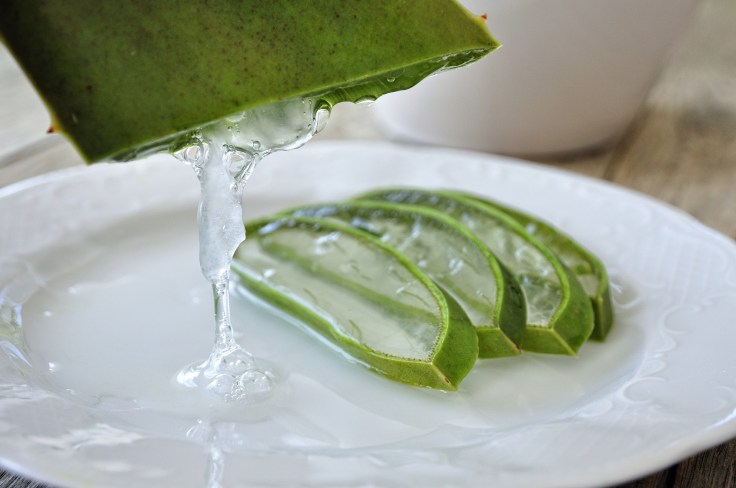
I’m always looking for natural ways to improve my hair and scalp so aloe vera came to mind as it really helps with many things including burns. My first research took place on TikTok because I knew the information there is most likely wrong but I had to know what people are saying and buying into and then I began my own research and that’s how this blog post came up. Enjoy the read!
If you scratch your head and don’t have dandruff, is there a solution?
- Soothing Scalp Itchiness: The gel extracted from the aloe vera plant contains anti-inflammatory and antimicrobial properties that help calm irritation, reduce redness, and alleviate itching. Applying aloe vera gel directly to your scalp provides instant relief, creating a cooling sensation that soothes the discomfort. I found immediate benefit after doing so.
To use aloe vera for scalp itchiness, simply extract the gel from a fresh aloe vera leaf or buy a bottle of the aloe vera gel and massage it gently into your scalp. Leave it on for about 30 minutes before rinsing it off with lukewarm water. Repeat this process regularly to experience its soothing effects.
- Nourishing the Scalp: A healthy scalp is the foundation for strong and vibrant hair growth. Aloe vera is packed with essential nutrients, including vitamins A, C, and E, as well as enzymes, amino acids, and minerals. These nutrients nourish and moisturize the scalp, keeping it hydrated and promoting optimal conditions for hair growth. Additionally, aloe vera helps balance the pH level of the scalp, preventing excessive dryness or oiliness, which can contribute to itchiness.
- Stimulating Hair Growth: Aloe vera has been recognized for its ability to stimulate hair growth. The enzymes present in aloe vera gel help to remove dead skin cells from the scalp, unclog hair follicles, and promote a healthy environment for hair to grow. Its natural moisturizing properties also prevent hair breakage and encourage the growth of strong, lustrous strands.
For those looking to boost hair growth, mix aloe vera gel with a few drops of essential oils such as rosemary or lavender, known for their hair-stimulating properties. Massage the mixture onto your scalp and leave it on for at least an hour before rinsing thoroughly.
So, why resort to chemical-laden products when aloe vera offers a natural and effective solution? Nourish, hydrate, and rejuvenate your scalp and hair with aloe vera.
Stay well!
-
Favorite music genre
What is your favorite genre of music?
Growing up, I always had to give the answer that was deemed right to fit in.. Sad, I know. So even if I liked listening to Mariah Carey and Michael Jackson, the right answer was always something else like Creed or Matchbox 20.
Today, I don’t care what others think, I like Taylor Swift to Nicki Minaj, Cardi B to Calvin Harris to Luke Combs to Indian music. Depending on my mood, everything is fair game.
It’s hard to say I like one genre when I like them all. That’s the beauty of choice. PS. I still love my Mariah and MJ–Something to be said for longevity!
-
Define romantic
What’s your definition of romantic?
Growing up, the only definition of romantic for me was Bollywood. The saris, songs, snow covered mountains and of course Shah Ruk Khan with his signature pose remind me of romance.
Today, romantic means just being with the person you love and enjoying their quirks–a long way from Bollywood but definitely something more practical to see in daily life.
-
Fourth of July Vegetarian Meals

Burgers, barbecue, and fireworks are staples for the Fourth of July and most of these items conjure up some memories for us all. However, growing up, I was vegetarian and options were limited so it’s great that there are so many alternatives today. Have you tried these options?
- Grilled Portobello Mushroom Burgers: When it comes to vegetarian alternatives for classic American burgers, grilled Portobello mushrooms take the spotlight. These substantial fungi are marinated in a flavorful blend of herbs, spices, and balsamic vinegar, then grilled to perfection. Served on a soft bun with all the traditional fixings like lettuce, tomato, onion, and condiments, these mushroom burgers offer a hearty and satisfying option for vegetarians and meat-eaters alike.
- Barbecue Jackfruit Sandwiches: Jackfruit has emerged as a versatile ingredient for vegetarians seeking a meaty texture and rich flavor. This tropical fruit’s fibrous texture closely resembles pulled pork when cooked, making it an ideal substitute for barbecue sandwiches. Marinated in a smoky and tangy barbecue sauce, shredded jackfruit becomes the star of a sandwich. Pair it with a fresh slaw and pickles, and you have a satisfying and flavorful Independence Day meal.
- Grilled Vegetable Skewers: Grilled vegetable skewers are a colorful and vibrant addition to any Fourth of July celebration. Simply thread a variety of vegetables, such as bell peppers, zucchini, cherry tomatoes, and onions, onto skewers, and brush them with a zesty marinade. The grill brings out their natural sweetness and imparts a smoky char, creating a delightful combination of flavors. These skewers are not only delicious but also a visually appealing centerpiece for your festive table.
- Summer Quinoa Salad: A refreshing and light summer quinoa salad can add a burst of flavor to your Independence Day menu. Packed with colorful vegetables like cherry tomatoes, cucumber, corn, and avocado, along with fresh herbs and a zingy citrus dressing, this salad is a nutritious and satisfying choice. Quinoa, a protein-rich grain, provides an additional energy boost, making it a perfect side dish for a day filled with outdoor activities.
Hope you found a meal to add to your celebration here! Most of these ingredients can be bought at Whole Foods or the specialty section in your grocery store. Happy 4th of July!
Stay well!
-
Daily habits
What are your daily habits?
I’m sure my daily habits are very similar to yours in some fashion and probably out of order too.
The day begins with coffee and tad bit of non-dairy creamer then shower and gym. Come back and work a wee bit and in between snack and eat lunch. After work, it’s time to eat dinner then watch TV with the family and then off to bed.
The best of my day is having some free time to play with the dog while everyone is away doing their thing.
Daily habits can be mundane but a bit of routine is also a welcome change.
-
Back at the gym!
Life can sometimes throw us off track, causing us to deviate from our usual routines. This happened to me recently as I was in pain from something in my shoulder neck area so I had to not go exercise which was tough but I did manage to take more walks which was nice. However, I do like going to the gym and was missing it so after two weeks off, for much needed recovery, I was ready to go back. What I didn’t expect was where I’d start back at! Read on to find out more.
- Start Slow and Set Realistic Goals: After a few weeks away, your body might not be in the same shape it was before. It’s important to acknowledge this and give yourself some grace. Begin by easing into your workouts gradually. This is so important because two weeks off can surely change what you think you should be doing and if you’re coming back from an injury, I would not go full throttle anyway. Start with lighter weights, shorter cardio sessions, and reduced intensity. Allow your body to readjust and regain its strength and endurance over time. Set realistic goals that align with your current fitness level and gradually work your way back up.
- Focus on Consistency: Consistency is key when it comes to re-establishing a gym routine. Instead of trying to make up for lost time in one intense workout session, prioritize consistency over intensity. Commit to a regular workout schedule, whether it’s three times a week or every other day. Easing back slowly is the way to gain strength and not injure yourself again!
- Warm Up and Stretch: Don’t underestimate the importance of a proper warm-up and stretching routine. After a break, your muscles may be tighter and more prone to injury. Spend a few minutes before each workout warming up your body with dynamic exercises such as jogging, jumping jacks, or arm circles. Follow it up with stretching exercises that target major muscle groups. This will not only prevent injuries but also enhance your performance during the workout.
- Listen to Your Body: Pay close attention to how your body feels during and after each workout. It’s normal to experience some muscle soreness as you get back into the swing of things. However, if you feel excessive pain or discomfort, it’s crucial to listen to your body’s signals. Adjust your workout intensity, modify exercises, or take additional rest days as needed. Pushing too hard too soon can lead to injuries, setbacks, and demotivation.
- Find Motivation and Accountability: Sometimes, the hardest part of resuming gym after a break is finding the motivation to get started. Seek out sources of inspiration that will reignite your fitness drive. It could be joining a workout class, finding a workout buddy, or following fitness influencers on social media. Additionally, consider sharing your goals with a friend or family member who can hold you accountable. Having someone to share your progress and challenges with can make the journey more enjoyable and rewarding.
Sometimes the fear of injuring oneself again might prevent you from going back to the gym but remember, getting stronger takes time and nothing happens overnight. As much as I feel better now, I also know that I want to get back my strength and will make adjustments to get there. Also, I love stretching so definitely won’t be missing that!
Stay well!
-
Time waste
How do you waste the most time every day?
Time waste or more like time suck…Tik Tok!
But for every dance video or trend that I watch, I try to watch something positive on there or a video that teaches me something.
For me, it’s a balance between entertainment and education which oddly is time consuming!
-
Added sugar in your food?

Does it feel like sugar is in everything these days? For me, my go to is to always looks at the label and see if it has added sugar on it or not. Sugar can creep in slowly in your meals especially if it’s not natural as in fruits. You might be thinking you’re eating healthy but that added sugar is a great way to derail your healthy eating plans.
What is Added Sugar? Added sugar refers to any form of sweetener that is added to food or beverages during processing or preparation. Unlike naturally occurring sugars found in fruits and dairy products, added sugar is not naturally present in the original food item. Common examples of added sugars include white sugar, brown sugar, high-fructose corn syrup, maple syrup, honey, and molasses. These sugars are often used to improve taste, texture, and shelf life of processed foods.
Here are a few tips to help you make informed choices:
- Read Food Labels: Pay attention to ingredient lists and nutrition facts panels on food packaging. Added sugars can hide under different names, so look out for terms like sucrose, glucose, fructose, and corn syrup.
- Choose Whole Foods: Opt for whole, unprocessed foods like fruits, vegetables, lean proteins, and whole grains. These foods provide natural sugars along with essential nutrients, fiber, and antioxidants.
- Limit Sugary Beverages: Sugary drinks like soda, fruit juices, energy drinks, and sweetened teas are major sources of added sugar. Choose water, unsweetened beverages, or naturally flavored alternatives.
- Practice Moderation: Enjoy sweets and desserts in moderation, as an occasional treat. Consider healthier alternatives like fresh fruit, yogurt, or homemade treats using natural sweeteners like dates or stevia.
The best way I monitor my added sugar is by reading the label. If I need to have sugar, I make sure it is via a product that has it inherently. This strategy works for me for now but what’s best for you, you probably should discuss with your doctor if needed.
Stay well!
-
Subscribe
Subscribed
Have a WordPress.com account? Log in now.

