-
AI 101: AI Explained
Do you struggle with AI? Have parents, friends, and others who struggle with terminology and understanding what AI is good for?
The guide defines basics terms that are often mentioned in numerous online videos and definitely can be confusing to a new user.
Check out my guide, free to use, no data collected.
-
Which supplement should I take? #Supplement Explorer
Are you always on your phone looking at which supplements you should take? Do you look at reviews? How do you decide what to buy?
As someone who has been in the nutraceutical industry for over 10 years, I’ve worked with many suppliers and companies to understand why an ingredient is chosen, what research is behind it, and how to sell it to a consumer, so if you are looking for some answers to questions you may have, drop a comment, or even better check out the Supplement Explorer on the site. It is free to use, 3 questions, and a simple output. No info is stored.I made the Supplement Explorer purely for my use and then thought, well, if it is useful for me, maybe it is useful for others. The tool is not affiliated with any company or brand, but was just a way for me to showcase what I find useful. If you use it, do give me feedback as to what you’d like to see it on too.
Stay well and remember, before taking any supplements, check with your doctor if it is a good fit for you or not!
-
Favorite time of the day
What’s your favorite time of day?
I immediately thought of that scene in Miss Congeniality with this question, how about you?
Based on that movie scene, I’ll say 9:01 because it’s not too early and not too late, no matter morning or night!
-
What’s in a name?
Where did your name come from?
My name was given to me by my parents.
It means infinite or boundless. It is also associated with the Hindu God, Lord Ganesha!
I guess I have a lot to achieve and live up to!
-
What is shilajit?

Shilajit comes from the Himalayas and this tar-like resin has captured the attention of health enthusiasts but why? So why do I use it?
Shilajit is rich in fulvic acid, minerals, and bioactive compounds, Shilajit is believed to enhance cellular function, boost energy levels, and contribute to overall vitality. Other benefits include
1. A Treasure Trove of Minerals:
One of the key reasons Shilajit is valued is its mineral content. This unique substance contains a spectrum of minerals, including magnesium, iron, zinc, and calcium, essential for maintaining optimal health. These minerals play crucial roles in metabolic processes, bone health, immune function, and more. Incorporating Shilajit into one’s diet can help address mineral deficiencies that might be overlooked in our fast-paced lives.
2. A Natural Adaptogen:
In an era marked by stress and hectic lifestyles, Shilajit emerges as a natural adaptogen. Adaptogens are substances that help the body adapt to stressors, promoting balance and resilience. Shilajit’s adaptogenic properties are believed to enhance the body’s ability to cope with physical, mental, and emotional stress, offering a holistic approach to stress management. Combine it with ashwagandha and you have a win!
3. Supporting Cognitive Health:
Cognitive well-being is a priority for many, and Shilajit is said to offer cognitive support as well. Preliminary research suggests that its bioactive compounds might influence cognitive function, memory, and learning. By aiding in the maintenance of brain health, Shilajit could potentially play a role in promoting mental clarity and focus.
4. Enhancing Physical Performance:
For those seeking a natural edge in physical performance, Shilajit has been praised for its potential benefits. Some studies suggest that its fulvic acid content might improve energy production at the cellular level, leading to enhanced endurance and recovery. Athletes and fitness enthusiasts are exploring Shilajit as a supplement to support their training regimes. My primary reason for using it is this.
5. Aiding in Digestion and Detoxification:
Shilajit’s traditional use in Ayurveda extends to digestive health as well. It is believed to stimulate the digestive fire, known as “agni,” promoting efficient digestion and nutrient absorption. Furthermore, its fulvic acid content may aid in detoxification by assisting in the removal of toxins from the body.
I just started taking it so not sure how well it will work but I’ll write a follow up post after 30 days to share my review so to speak. How inclined are you to try shilajit? Leave me a comment.Stay well!
-
Awesome
What is a word you feel that too many people use?
Awesome is one word that I think we all use too much. Instead of saying great or good, we say awesome. Why?
There was a time when awesome was truly used to describe something that was awe-inspiring. I mean, a wedding, birthday, birth of baby, puppy adoption, are just a few events we would have described as awesome in the past but today if someone says how was your meal? We reply Awesome!
So yeah, hope you liked this post because I do think it was well-written and Awesome! 😉
-
Why milk thistle?
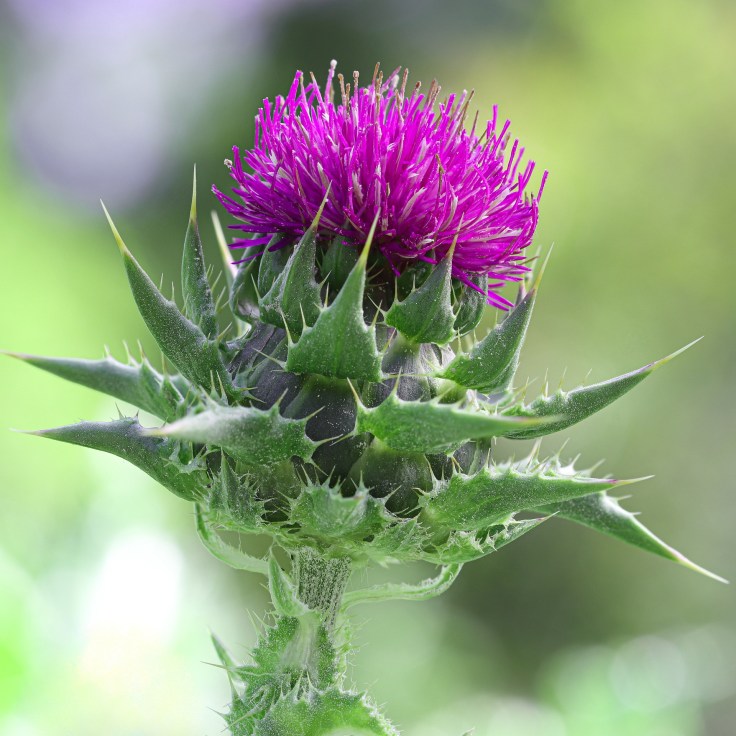
I bought a supplement recently that has milk thistle. I knew a little about it like it is good for detox but never have seen it with another supplement for antioxidant support. Of course, I had to research a little more about milk thistle’s benefits and here is what I found out.- Liver Health Champion: The active compound in milk thistle, silymarin, is known for its antioxidant properties that help protect liver cells from damage caused by free radicals. Studies have indicated that silymarin may assist in regenerating liver tissue and promoting detoxification processes, making milk thistle a valuable asset in maintaining optimal liver function.
- Anti-Inflammatory Agent: Milk thistle has demonstrated anti-inflammatory effects that could potentially alleviate symptoms of inflammatory conditions. By inhibiting certain inflammatory pathways, milk thistle may contribute to reducing inflammation in the body, offering relief to those dealing with conditions like arthritis or certain gastrointestinal issues.
- Cholesterol Management: Managing cholesterol levels is crucial for cardiovascular health. Research suggests that milk thistle may aid in lowering LDL (bad) cholesterol levels, helping to maintain a healthier balance between LDL and HDL (good) cholesterol. This, in turn, supports heart health and reduces the risk of heart-related issues.
- Diabetes Support: For individuals with type 2 diabetes, milk thistle could be a valuable addition to their health regimen. Some studies have pointed to milk thistle’s potential to improve insulin sensitivity and help regulate blood sugar levels. While more research is needed, these findings offer hope for a natural approach to diabetes management.
- Skin Radiance: Milk thistle’s benefits extend to skincare as well. The antioxidants in milk thistle may aid in combatting oxidative stress, thereby contributing to healthier, more vibrant skin. It’s not uncommon to find milk thistle as an ingredient in skincare products designed to address issues like acne, rosacea, or signs of aging. Now, I understand why it’s used in antioxidant supplements!
As with any supplement, check with your doctor before taking a new supplement!
Stay well!
-
Money spent on a meal
What’s the most money you’ve ever spent on a meal? Was it worth it?
So growing up, being an immigrant, we always had food though limited and made the best of what we had. My parents did the best they could to provide for us as they established themselves here. They instilled tremendous values in us so splurging on food is not something that I would be inclined to do so naturally.
However, I recently paid a bit for a meal for me and my family for a restaurant in NYC. It was unlimited, prix fixe menu. It was totally worth it with it being $45/ person. So much food and you could eat as much as you wanted. No waste as portions were tiny. Not to mention, the ambience was amazing too!
That’s the most that I’ve ever spent at a restaurant! Usually, I find that the more you spend at a high end restaurant, the portions are tiny, it’s all about the food presentation, and you still leave hungry so I try to eat food that is actually providing satiety!
-
Do you use turmeric?
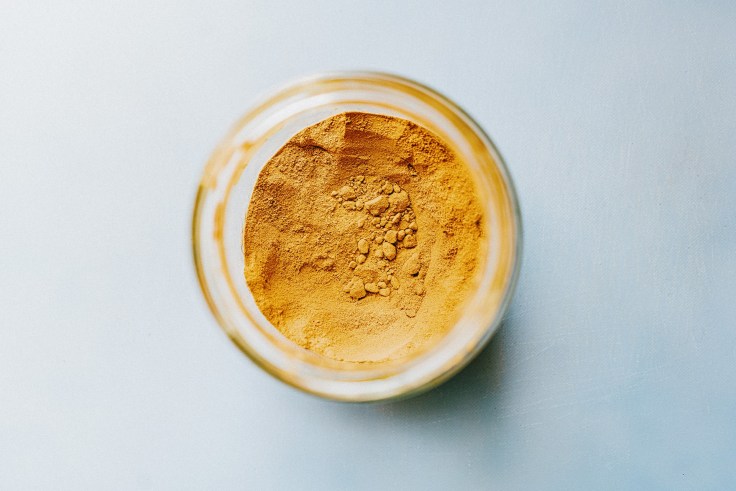
Turmeric, or “golden spice,” is so common in Indian food that when someone tells me about it, I hope to learn something different about it other than that it is in turmeric lattes! There are so many uses for turmeric but most people only know a little about it. Today, you can even find it in supplements as a standalone supplement but why take it?
- Powerful Anti-Inflammatory Properties: Turmeric contains an active compound called curcumin, which has potent anti-inflammatory effects. Chronic inflammation is linked to a wide range of health issues, including heart disease, cancer, and various autoimmune disorders. Incorporating turmeric into your diet can help quell inflammation and promote overall health.
- Natural Antioxidant Boost: The curcumin in turmeric also serves as a potent antioxidant, protecting our cells from damage caused by harmful molecules known as free radicals. Antioxidants play a crucial role in maintaining healthy cells and preventing oxidative stress, contributing to graceful aging and reducing the risk of chronic diseases.
- Promotes Digestive Health: Turmeric has been traditionally used to support digestion. It stimulates bile production, which aids in the breakdown of fats and enhances digestion. Additionally, its anti-inflammatory properties can help soothe digestive discomfort and alleviate symptoms of irritable bowel syndrome (IBS).
- Brain Health and Cognitive Support: Curcumin’s ability to cross the blood-brain barrier has sparked interest in its potential to support brain health. Studies suggest that turmeric may help increase levels of brain-derived neurotrophic factor (BDNF), a growth hormone that functions in the brain, potentially promoting cognitive function and reducing the risk of neurodegenerative diseases.
- Joint Comfort and Mobility: Turmeric’s anti-inflammatory effects extend to joint health. People dealing with arthritis often find relief from its natural soothing properties, which may help reduce pain and improve joint mobility.
- Heart-Friendly Properties: Turmeric has been linked to heart health due to its potential to improve the function of the endothelium, the lining of blood vessels. By enhancing endothelial function and reducing inflammation and oxidative stress, turmeric may contribute to a healthy cardiovascular system.
- Skin Glow and Vitality: Curcumin’s antioxidant and anti-inflammatory properties aren’t limited to internal benefits. Turmeric can also be applied topically to help soothe and improve the appearance of the skin. It may aid in managing conditions like acne and psoriasis, promoting a natural radiance.
- Supports Immune System: Turmeric’s immune-boosting potential arises from its antioxidant and anti-inflammatory attributes. A healthy immune system is better equipped to defend against infections and maintain overall wellness.
So now that you know all the benefits, are you going to increase your turmeric intake? I like to make a paste of it for skin health benefits. Or will you take one of the many turmeric products on the market? Just remember, curcumin’s absorption is enhanced when consumed with black pepper, which contains piperine.
Stay well!
-
Habit for joy
Describe one habit that brings you joy.
One habit that brings me immense joy is a simple phone call to my parents!
I often forget that as I get older so do they. It’s so important to stay in touch especially with time being limited as we get older.
-
Why castor oil?

I’m been reading a lot about castor oil lately. From people using it in their navels to hair to skin, why is it becoming so popular? What are the benefits? Let’s find out
- Nourishing Skin and Hair:
Castor oil is a fantastic moisturizer for the skin and hair. It deeply penetrates the skin, providing hydration and locking in moisture, leaving your skin feeling soft and supple. Its anti-inflammatory properties can help soothe irritated skin and reduce redness. When applied to the hair, castor oil can strengthen the hair shaft, reduce split ends, and combat dandruff, promoting healthier and shinier locks. Who doesn’t want these benefits, right? - Promoting Hair Growth:
One of the most renowned benefits of castor oil is its ability to stimulate hair growth. Rich in ricinoleic acid, it encourages blood circulation to the scalp, nourishing hair follicles and promoting hair growth. Regular use of castor oil can help reduce hair thinning and encourage the growth of thicker, longer, and luscious tresses. Like rosemary oil for hair growth, this is another one that seems good to apply to your hair but be careful experimenting with new products because you want to keep the hair you have! - Relieving Muscle and Joint Pain:
Castor oil possesses analgesic and anti-inflammatory properties, making it an excellent remedy for muscle and joint pain relief. When applied topically and massaged onto the affected area, it can alleviate sore muscles, reduce inflammation, and provide soothing comfort. Most masseuse in my area, you use oils to relax you, I bet one of them is castor oil. - Treating Acne and Blemishes:
For those dealing with acne-prone skin, castor oil can be a savior. Its antibacterial and anti-inflammatory properties can help reduce acne-causing bacteria and inflammation, promoting clearer skin. The oil’s high concentration of fatty acids can also assist in dissolving sebum and unclogging pores, leading to a smoother and more even complexion. You’ll probably want to apply castor oil with an eye dropper on your fingers and then massage onto your face as otherwise you’ll have an oily face!
So are you likely going to try castor oil and add it to your daily regiment?
Stay well!
- Nourishing Skin and Hair:
-
Why is keratin important for your hair?

If you’ve been following along, you know that I enjoy Olly supplements because not only do they gave a great variety to choose from but also each supplement has a different benefit. One of my go to is Olly hair because it is so unicorn as it has amla and keratin along with biotin and other ingredients to promote hair growth. I know a lot about biotin and amla but needed to learn more about keratin and how it helps with achieving thicker hair. Read on to learn more!
- Strengthening the Hair Shaft:
Keratin is a fibrous protein that constitutes the structural framework of our hair shaft. Its role is paramount in forming a protective barrier around each hair strand, providing strength, elasticity, and resilience. Regular exposure to environmental factors, styling tools, and chemical treatments can strip the hair of its natural keratin, leading to weak and brittle hair. Using keratin-based hair products can help replenish and reinforce the hair shaft, effectively reducing breakage and promoting healthy hair growth.
- Encouraging Hair Growth:
Perhaps the most sought-after benefit of keratin for many is its ability to stimulate hair growth. By nourishing the hair follicles and supporting the production of new, healthy hair cells, keratin plays a pivotal role in promoting the growth phase of the hair cycle. This can lead to faster and more robust hair growth over time, making it an ideal solution for those looking to achieve longer and thicker locks.
- Repairing Damaged Hair:
Heat styling, chemical treatments, and environmental stressors can wreak havoc on our hair, causing extensive damage and compromising its overall health. Keratin acts as a repair agent, filling in the gaps and cracks along the hair shaft, resulting in smoother and more manageable hair. As the damaged areas are sealed, the hair becomes less prone to breakage, leading to accelerated hair growth.
- Reducing Hair Loss:
Hair loss can be disheartening and distressing for both men and women. Luckily, the application of keratin-based products can help counteract hair loss by fortifying the hair structure and revitalizing the scalp. As hair becomes healthier and stronger, the likelihood of excessive shedding decreases, paving the way for a more robust and voluminous mane.
- Restoring Natural Shine:
Dull, lifeless hair can dampen our confidence and beauty. Keratin-infused treatments work wonders in restoring the natural shine and radiance of your hair. By smoothing down the hair cuticle and increasing light reflection, keratin imparts a glossy finish, leaving your hair looking healthier and more vibrant.
I guess there is no definitive way to know keratin is the ingredient missing in your hair but like with everything, you need to find what is the root cause of your hair challenges to be able to find a solution. For me, I’m enjoying the gummies and I’m not a fan of keratin treatments on the hair because in the end why would I add chemicals to my hair when it’s already facing some challenges? The way I look at it, what’s the safest way to do something without exacerbating the problem.
Stay well!
-
Subscribe
Subscribed
Have a WordPress.com account? Log in now.

