-
AI 101: AI Explained
Do you struggle with AI? Have parents, friends, and others who struggle with terminology and understanding what AI is good for?
The guide defines basics terms that are often mentioned in numerous online videos and definitely can be confusing to a new user.
Check out my guide, free to use, no data collected.
-
Which supplement should I take? #Supplement Explorer
Are you always on your phone looking at which supplements you should take? Do you look at reviews? How do you decide what to buy?
As someone who has been in the nutraceutical industry for over 10 years, I’ve worked with many suppliers and companies to understand why an ingredient is chosen, what research is behind it, and how to sell it to a consumer, so if you are looking for some answers to questions you may have, drop a comment, or even better check out the Supplement Explorer on the site. It is free to use, 3 questions, and a simple output. No info is stored.I made the Supplement Explorer purely for my use and then thought, well, if it is useful for me, maybe it is useful for others. The tool is not affiliated with any company or brand, but was just a way for me to showcase what I find useful. If you use it, do give me feedback as to what you’d like to see it on too.
Stay well and remember, before taking any supplements, check with your doctor if it is a good fit for you or not!
-
Why am I having side effects from the Keto Diet?

If you have been previously eating a lot of carbs and are forcing your body to now burn fat for energy, there will be side effects just because you are asking your body to perform differently. Not to worry, the side effects decrease after about two weeks.
So what should you expect? Well, I expected a little fatigue and irritability but nothing that was not expected since I was giving up carbs to quite an extent. My focus at work was better as I wasn’t waiting for my mid-morning snack but what I did gravitate more towards was either black coffee or water both of which helped me feel full longer or at least long enough for whatever meal was next.
Other side effects that you may feel include “keto flu” which is basically headaches, lethargy, lack of motivation, etc but these disappear after a week and at most 2 weeks on the keto diet. Side effects are different for every individual so some may experience restlessness or lack of good sleep, muscle cramps, constipation, more urination or even changes in body odor and breath. The more intense the drop from high carbs to low carbs, the more likely you will have many of these side effects but it depends on your body chemistry and how well it adapts to this new diet. More on keto symptoms and side effects can be found on Reditt as well as via Google searches.
To mitigate many of the symptoms of the keto diet, start by drinking more water (try adding MiO vitamins to it or fresh fruits to infuse water (but don’t eat the fruit because it is high in carbs) if you don’t like drinking plain water), increasing your salt intake, and of course, eating enough fat.
What if I can’t adhere to such a strict low carb diet every day? What should I do? Tomorrow, I will talk about the options you have to help you overcome this challenge.
what side effects should I expect on keto?
-
How to get started on the keto diet?
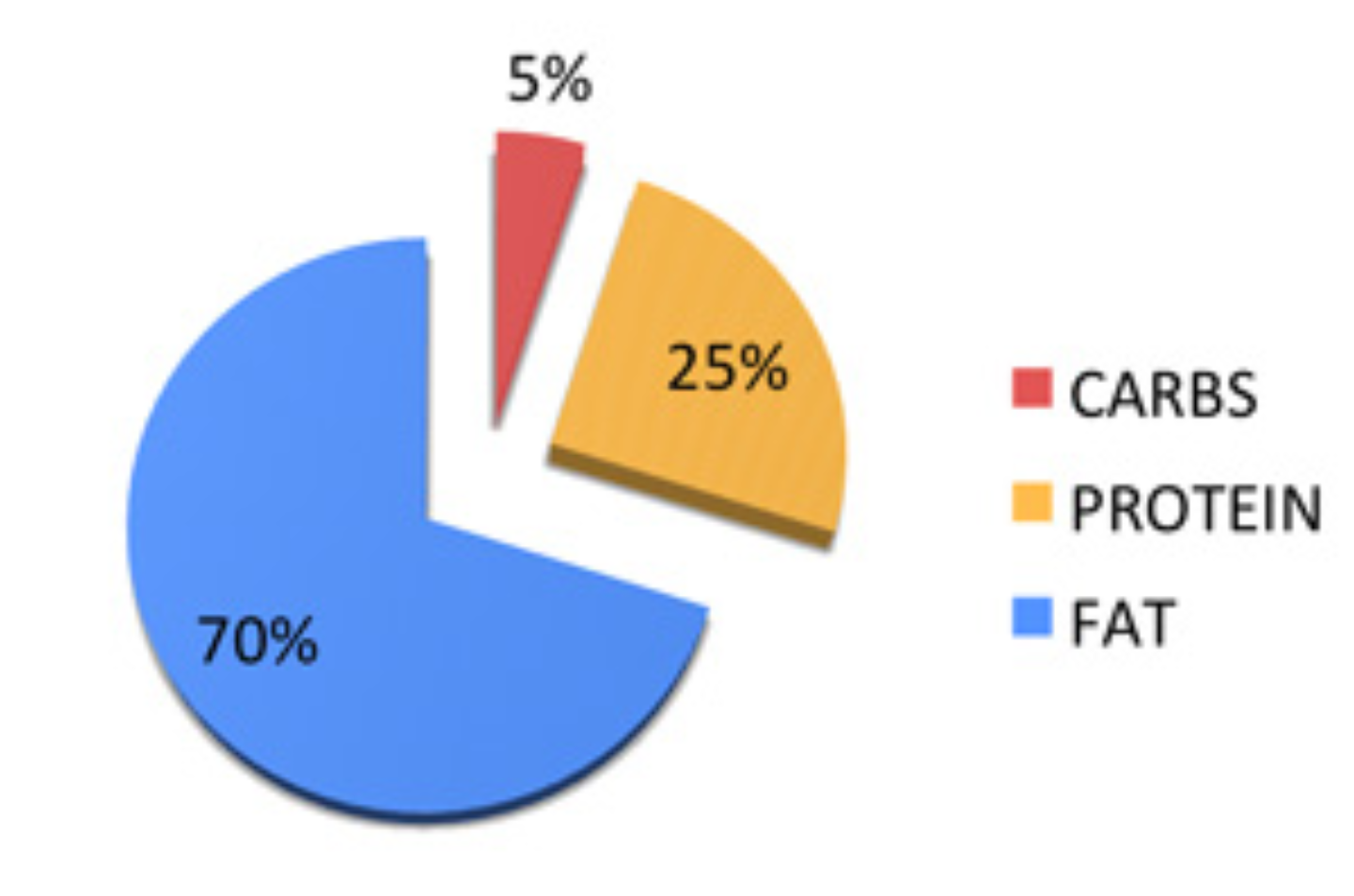
One of my earlier posts talked about the keto diet and how people are using the diet to lose weight quickly so this week I’ll be talking a little more in detail about how to start this diet and what you should expect to see happen.
Ketosis occurs when your body releases ketones when fat is broken down by the liver. What this mean is that you need to have your body burn fat instead of carbs (sugar) for energy. How can this be done? It is doable but is challenging.
I’ve been trying the ketogenic (aka keto) diet for about 3 weeks now and I will tell you the shift from eating carbs to eating more fat is not that easy. First, I recommend you download the app MyFitnessPal and track what you are eating daily. Do this for a week before you decide to do any diet as you need to see how you eat in general before you make tweaks. Once you have this info, you are better prepared to cut carbs. Unfortunately for most Americans, carbs make up most of our food plate (healthy and not so healthy ones like fruits and veggies plus muffins and doughnuts, respectively).
My next step was to cut carbs to 80-100g a day. I wasn’t eating much before but just having a few tacos or chips and salsas could throw that number around the 150-200g mark. Since I was cutting carbs, I had to find a way to stay full so that meant upping my fats (not protein). The new amount of fat I was going to eat was 141g versus the around 82g that I was eating. If you have been reading, you have noticed me mentioning that I work out via CrossFit so my protein number earlier was around 160g and now it is 108g. Remember, you can use these numbers as a guideline to figure out what you need to do for your level of activity. Finally, when you are ready, you can further drop your carbs to the 40-50g range and increase fat to 145g and then you can continue dropping until you are at the 20-30g carb range and increase fat to 155g while keeping protein moderate. In general, the rule of thumb is 70-75% fats, 5-10% carbs, and 20-25% protein. The goal is to increase fat slowly and decrease carb significantly and protein slightly. The downfall of having too much protein is that you may never enter ketosis if your body goes into gluconeogenesis so definitely eat moderate levels of protein.
Another thing to keep in mind is how to calculate carbs on the keto diet. You can count total carbs (the number you see on the package) or the net carbs (carbs on package minus fiber minus sugar alcohols (like erythritol)). Personally, I find it easier to count just total carbs but there is a raging debate as to net carbs usage while doing the keto diet. I can see both points. One lets me plug in the numbers into the MyFitnessPal app and just track what I eat while the other requires me to do some math and figure out how much more I can eat to still meet my numbers. You should use whichever method makes sense for you.
If you would like to read more about ketosis, please research on Google as there is tons of info out there but also speak to your doctor to see if this diet makes sense for you as it is not a good fit for many people based on their health conditions, lifestyle, etc.
Once your body enters ketosis, you will notice a few changes quickly. More on these changes tomorrow.
Keto diet is high on fat, low on carbs
-
MCT oil for Energy Boost and Satiety
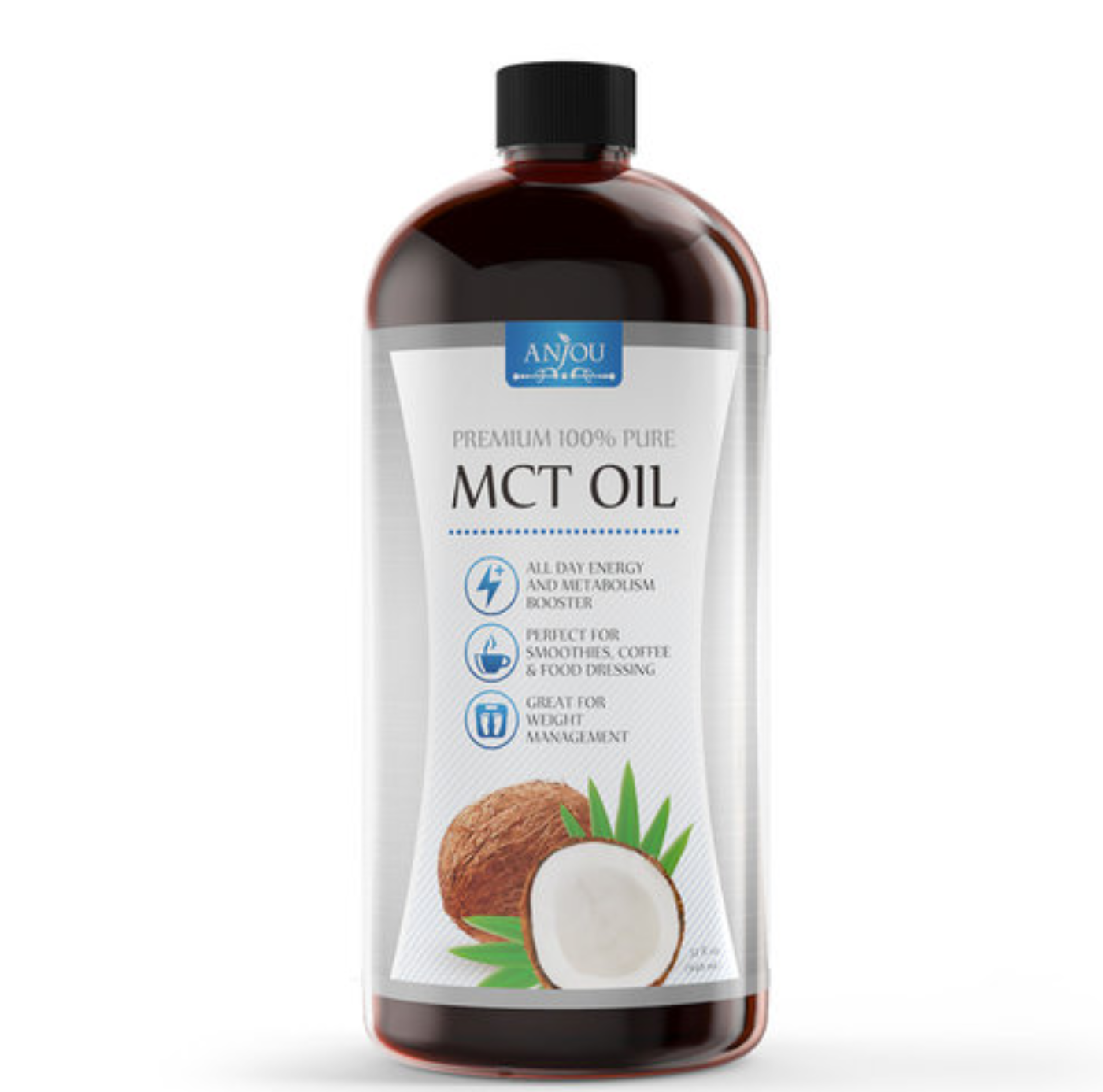
MCT (Medium Chain Triglycerides) oil is great as an add-in for your smoothie or in general for your diet as it helps you stay full and gives you a boost of energy due to the healthy fats in them–remember, not all fats are bad for you. You’ll often seen this oil in buttered coffee (see my earlier post) as well as part of the keto diet. MCT oils are gaining traction in the sports nutrition industry for their impact during fitness-related activities. Which brands do I take? Check them out in this video.
One of my favorite MCT oil brands!
-
Phat Fudge
Are you doing the keto diet? Always struggling to find easy to-go snacks? This video will show you a good one that you must have. This packet is just as enjoyable as one of Justin’s peanut butter packets plus it is keto and has 20g fat in it too!
-
Gummies
Eating gummies is so much easier than swallowing tablets right? Check out these two that are really great for you. One is a biotin gummy that I really like for improving hair, skin, and nails while the other one is a good multivitamin one for women with veggies in it too!
-
Energy/Hydration Drink-Kill Cliff
One of my favorite drinks is Kill Cliff. It has a great taste, no sugar, and can meet the keto requirements since net carbs are 2g! Loaded with fortified vitamins and minerals so definitely a good alternative to all those other sugary energy drinks!
-
Sir Kensington’s Brand
This week, I’ll be discussing items via video that are healthy and should be part of your diet if you are looking for good tasting, healthier options!
-
Fennel seeds should be on your snacking list!
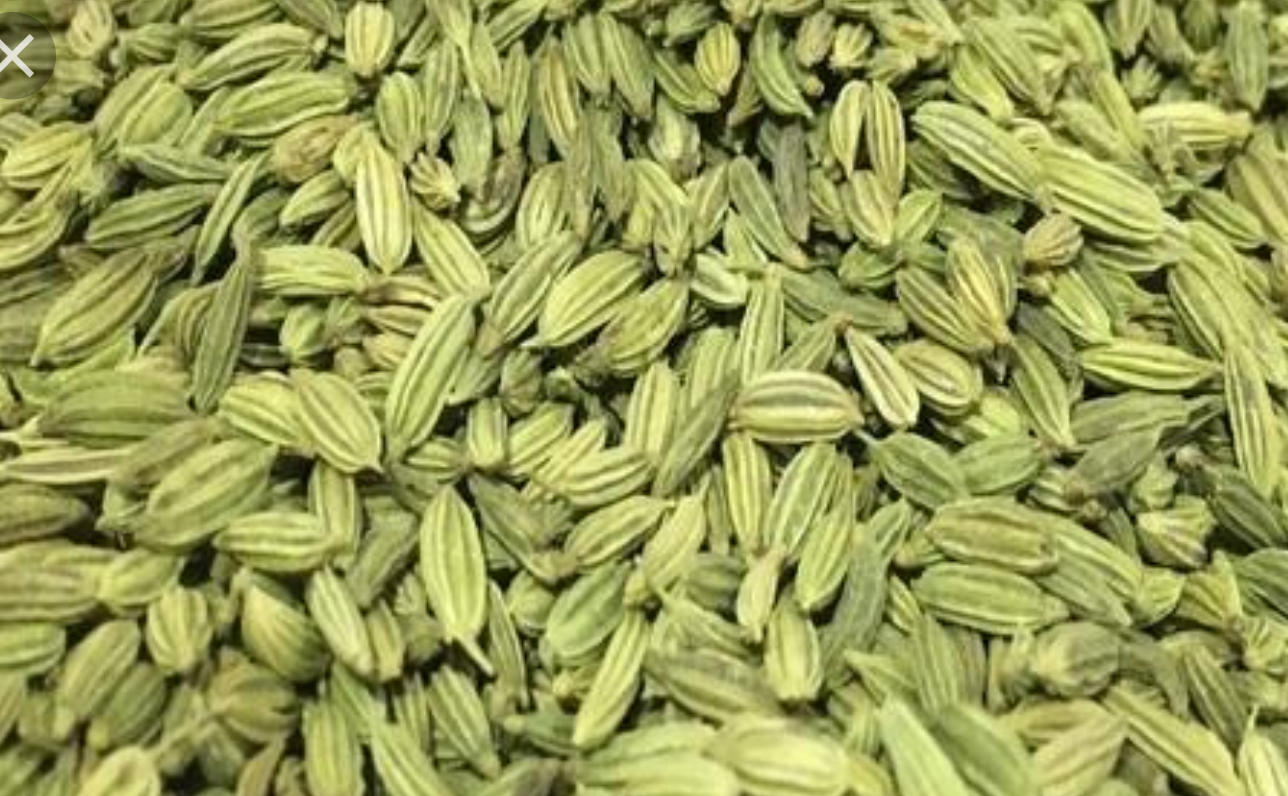
Fennel is used as an herb and spice in many dishes around the world. Fennel tastes very similar to anise and is naturally sweet. Fennel seeds are made up of many phytonutrients with the most known one being anethole—this makes up the oil that you find. The fennel bulb also has many nutrients like Vitamin C, potassium, and fiber which are great for digestive health improvements.
Fennel seeds are rich in antioxidants and studies have shown it to benefit cardio and brain health as well. Often times, fennel seeds are used for its anti-inflammatory properties for muscle pain and arthritis. Because they are highly fibrous, they also may help with cholesterol reduction, detoxification, and blood sugar balancing. If you are looking for an ingredient that can provide you a source of minerals, calcium, iron, potassium, magnesium along with vitamins like B, C, and A, then you might consider adding fennel seeds.
Fennel seeds are found in most Asian stores and Amazon, along with many local grocery stores including Wholefoods and Trader’s Joes. Typical fennel seed supplements come in capsules with one capsule containing about 500 mg. However, you can also use fennel seeds as is for cooking or choose to use fennel oil. The benefits of using fennel seeds are noticed over time but if you are unsure if it is over you, check with your doctor.
Fennel seeds, easy to incorporate in your food
Disclaimer: this is an opinion post and should not be taken as an endorsement or lack of for any product by me or my employer.
-
Skin health and weight help via Fenugreek!
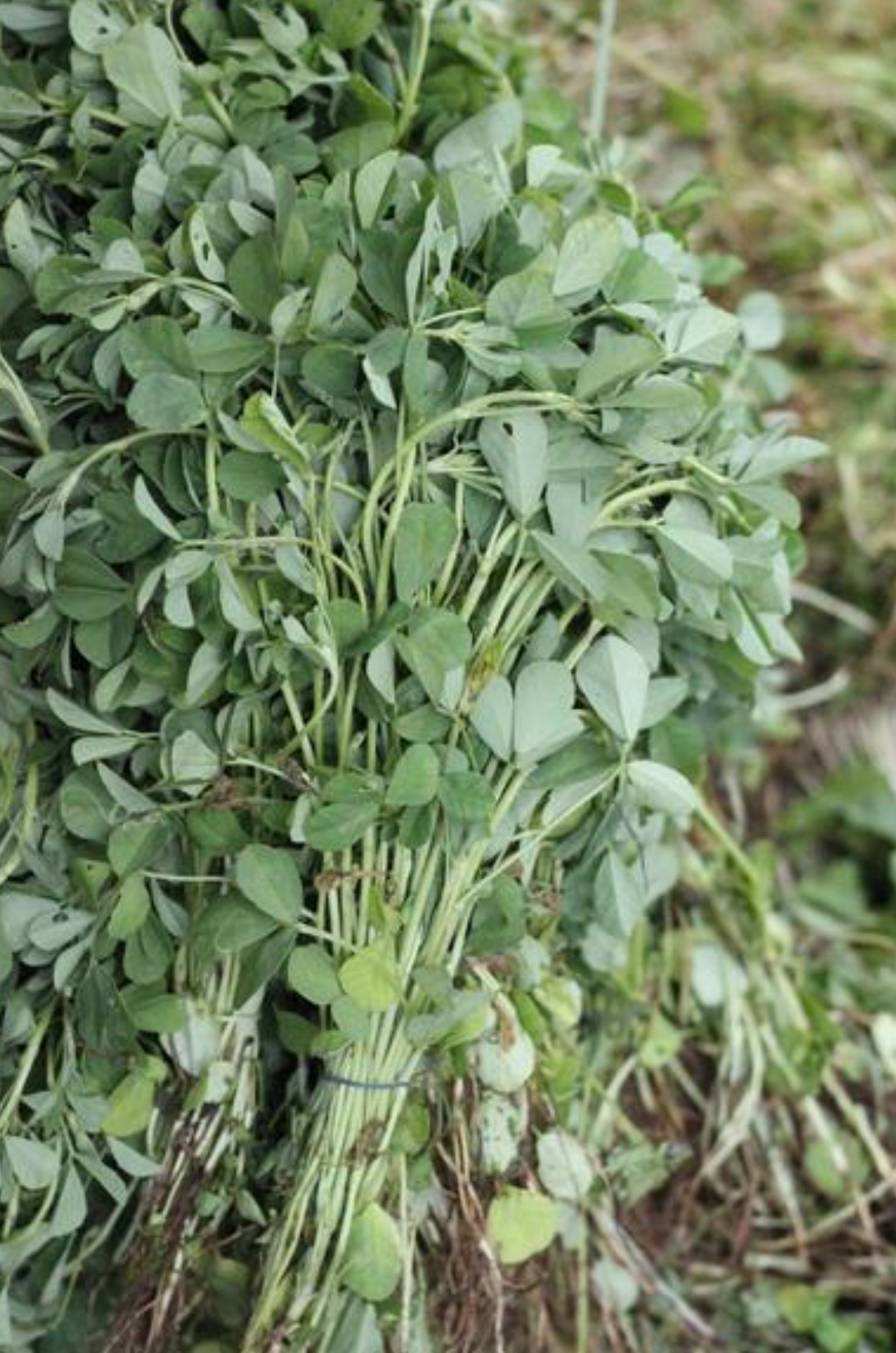
Fenugreek or methi is a herb that known for its flavor and aroma. It contains many nutrients including protein, lysine, amino acids, and even some vitamins. Like many other Indian herbs, fenugreek is taken for its anti-inflammatory benefits and digestive health.
Some of the nutrients that fenugreek contains include iron, magnesium, copper, fiber, and even vitamin B6. It is also made up of antioxidants and phytonutrients but most of the health benefits are due to the presence of saponins and fibers in it.
Fenugreek usually is taken orally but is also found as a paste that can be applied to the skin to reap its inflammation-healing properties. Fenugreek extract is also found in soaps and cosmetics. The reason it is so beneficial on the skin is due to its fiber content which works as a moisturizing agent to hold water in. Plus, it also allows for melanin production to be reduced thus helping to reduce the aging process. It is also slowly showing up in sports nutrition products as studies have shown that fenugreek along with creatine can help improve body composition and lean mass. Another reason it is slowly showing up in sports nutrition products is that it may help you with weight loss due to its effect on insulin and blood sugar.
You can buy fenugreek at WholeFoods in the herb section as well as the supplement section plus it also available at most local grocery stores and Amazon. Exact dosage is dependent on the purpose that you are using it for but typically capsules are at 610 mg with a recommendation of taking two of these a day. Always consult with your doctor to find out if the supplement is right for you.
Disclaimer: this is an opinion post and should not be taken as an endorsement or lack of for any product by me or my employer.
Fenugreek leaves.. Harvested for nutrients
-
Ginger—the elixir for health!
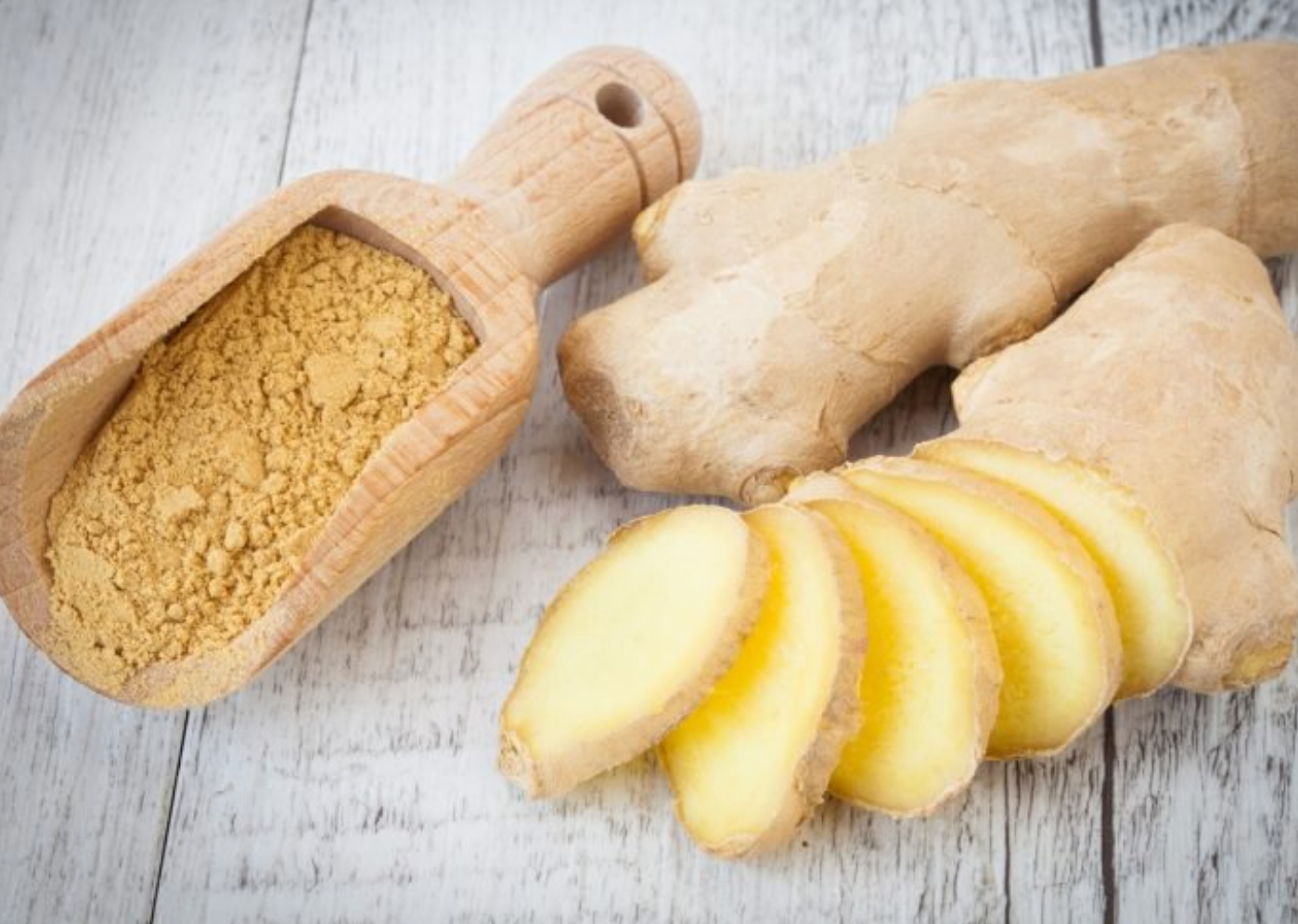
Ginger is a part of many Indian and Asian dishes for multiple reasons. It has numerous benefits that may help when you are suffering from nausea, sickness, and pain. Why does ginger help with all this?
Ginger can be found in the US as a fresh root, powder, juice or oil. For this reason it becomes a great ingredient to cook with since you can use it to gain many of its nutrient contents like various B vitamins, vitamin C, and potassium to name a few. It is slowly emerging as a popular spice in not only food around the country but also in cosmetic products. Ginger is given its distinct fragrance and flavor from a component in it that is called gingerol. Gingerol is what gives the antioxidant and anti-inflammatory benefits that consumers seek. Ginger is made up of components like curcumin (also in turmeric), beta carotene, and other phenolic compounds.
Some of the health benefits that ginger may help with include improved liver function, lowering cholesterol, and inflammatory conditions like arthritis and muscle pain as well as nausea and vomiting–of course, none of these benefits are seen overnight and you must take ginger daily to see the benefit. Because of its antioxidant and anti-inflammatory properties, ginger is often drank as a tea because it helps with digestion and possibly, therefore, helping with weight loss. If you are not taking ginger, you are missing out on the health benefits!
Disclaimer: this is an opinion post and should not be taken as an endorsement or lack of for any product by me or my employer.
Ginger in all its various forms!
-
Subscribe
Subscribed
Have a WordPress.com account? Log in now.

