
One of my earlier posts talked about the keto diet and how people are using the diet to lose weight quickly so this week I’ll be talking a little more in detail about how to start this diet and what you should expect to see happen.
Ketosis occurs when your body releases ketones when fat is broken down by the liver. What this mean is that you need to have your body burn fat instead of carbs (sugar) for energy. How can this be done? It is doable but is challenging.
I’ve been trying the ketogenic (aka keto) diet for about 3 weeks now and I will tell you the shift from eating carbs to eating more fat is not that easy. First, I recommend you download the app MyFitnessPal and track what you are eating daily. Do this for a week before you decide to do any diet as you need to see how you eat in general before you make tweaks. Once you have this info, you are better prepared to cut carbs. Unfortunately for most Americans, carbs make up most of our food plate (healthy and not so healthy ones like fruits and veggies plus muffins and doughnuts, respectively).
My next step was to cut carbs to 80-100g a day. I wasn’t eating much before but just having a few tacos or chips and salsas could throw that number around the 150-200g mark. Since I was cutting carbs, I had to find a way to stay full so that meant upping my fats (not protein). The new amount of fat I was going to eat was 141g versus the around 82g that I was eating. If you have been reading, you have noticed me mentioning that I work out via CrossFit so my protein number earlier was around 160g and now it is 108g. Remember, you can use these numbers as a guideline to figure out what you need to do for your level of activity. Finally, when you are ready, you can further drop your carbs to the 40-50g range and increase fat to 145g and then you can continue dropping until you are at the 20-30g carb range and increase fat to 155g while keeping protein moderate. In general, the rule of thumb is 70-75% fats, 5-10% carbs, and 20-25% protein. The goal is to increase fat slowly and decrease carb significantly and protein slightly. The downfall of having too much protein is that you may never enter ketosis if your body goes into gluconeogenesis so definitely eat moderate levels of protein.
Another thing to keep in mind is how to calculate carbs on the keto diet. You can count total carbs (the number you see on the package) or the net carbs (carbs on package minus fiber minus sugar alcohols (like erythritol)). Personally, I find it easier to count just total carbs but there is a raging debate as to net carbs usage while doing the keto diet. I can see both points. One lets me plug in the numbers into the MyFitnessPal app and just track what I eat while the other requires me to do some math and figure out how much more I can eat to still meet my numbers. You should use whichever method makes sense for you.
If you would like to read more about ketosis, please research on Google as there is tons of info out there but also speak to your doctor to see if this diet makes sense for you as it is not a good fit for many people based on their health conditions, lifestyle, etc.
Once your body enters ketosis, you will notice a few changes quickly. More on these changes tomorrow.
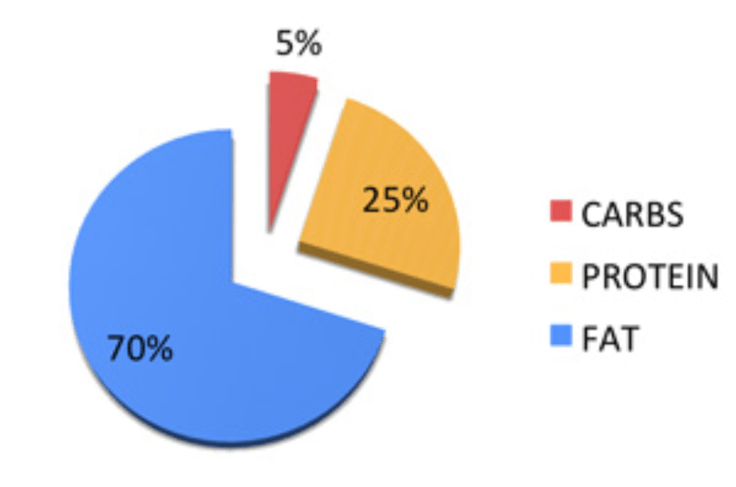
Keto diet is high on fat, low on carbs
 amitunfiltered.com
70% fat worries me. It may add to my weight.
LikeLike