-
AI 101: AI Explained
Do you struggle with AI? Have parents, friends, and others who struggle with terminology and understanding what AI is good for?
The guide defines basics terms that are often mentioned in numerous online videos and definitely can be confusing to a new user.
Check out my guide, free to use, no data collected.
-
Which supplement should I take? #Supplement Explorer
Are you always on your phone looking at which supplements you should take? Do you look at reviews? How do you decide what to buy?
As someone who has been in the nutraceutical industry for over 10 years, I’ve worked with many suppliers and companies to understand why an ingredient is chosen, what research is behind it, and how to sell it to a consumer, so if you are looking for some answers to questions you may have, drop a comment, or even better check out the Supplement Explorer on the site. It is free to use, 3 questions, and a simple output. No info is stored.I made the Supplement Explorer purely for my use and then thought, well, if it is useful for me, maybe it is useful for others. The tool is not affiliated with any company or brand, but was just a way for me to showcase what I find useful. If you use it, do give me feedback as to what you’d like to see it on too.
Stay well and remember, before taking any supplements, check with your doctor if it is a good fit for you or not!
-
Will today’s research support tomorrow’s findings?
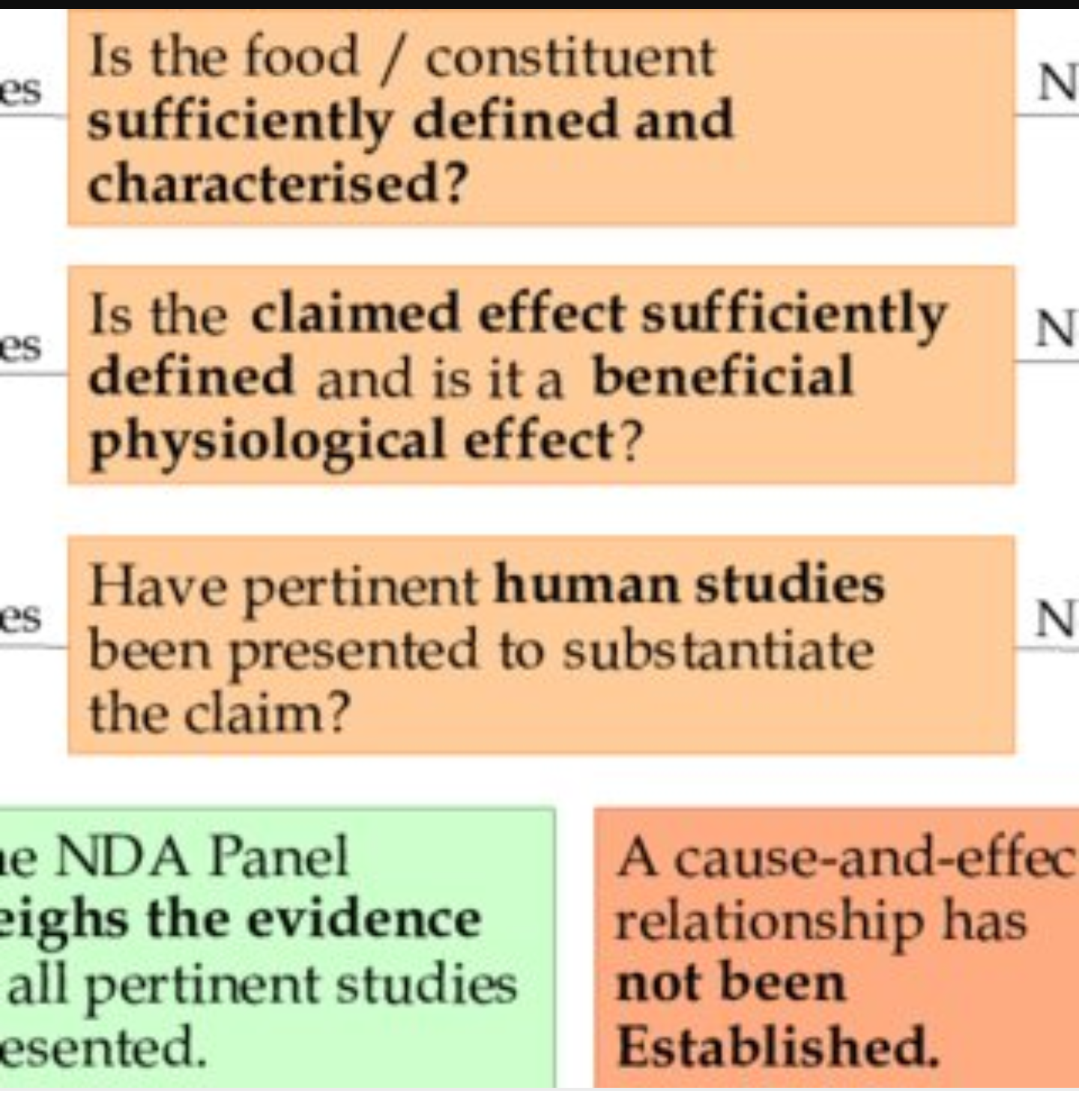
I was reading an interesting article the other day and thought about what it means for me.
Working in science for most my life, I’ve constantly read and researched various aspects about a topic and then made educated decisions based on that data but what does the average consumer do?
News-stories often show that possibly supplement X may not help with condition Y that it was earlier thought to have improved. That story is then blasted to everyone over the internet resulting in consumers making a purchase decision based on what they saw or read. So how can you tell if the research is accurate and not going to be refuted with the next study? Well, you really can’t determine that since science and technology continue to evolve but you can do something else.
Some rule of thumbs are as follows. If a study sounds too good to be true, you can count on it to be that but if you are still unsure, consider doing your own Google search and see if others are making the same claim. Look at the population pool of the study. Who was evaluated? How many people? Over what time? Simple questions but could make a huge difference in how you interpret those results. If you did find similar studies, claiming the same thing than at least you know the results are somewhat repeatable so maybe the results are true. Finally, it is always important to see who funded it. Why? Sometimes that can drive the results of the study to show what that company wants.
Most of us don’t have that much time to figure out the answers to those questions but if in doubt, do your research and the results may surprise you.
Image from research gate.. How do you analyze food research?
-
Fighting Breast Cancer?

Having lost a friend from breast cancer last year, this is my way of doing something about it. With October being Breast Cancer awareness month, please take time to donate to this cause via barbell for boobs. If you have been affected by breast cancer in any way via self, friends, or family, please consider making a donation that will help those who have breast cancer.
More on barbell for boobs can be found here:
https://www.barbellsforboobs.org/s/647/651/e
-
Tocopherols, cyanocobalamin, whoa..what do these mean?
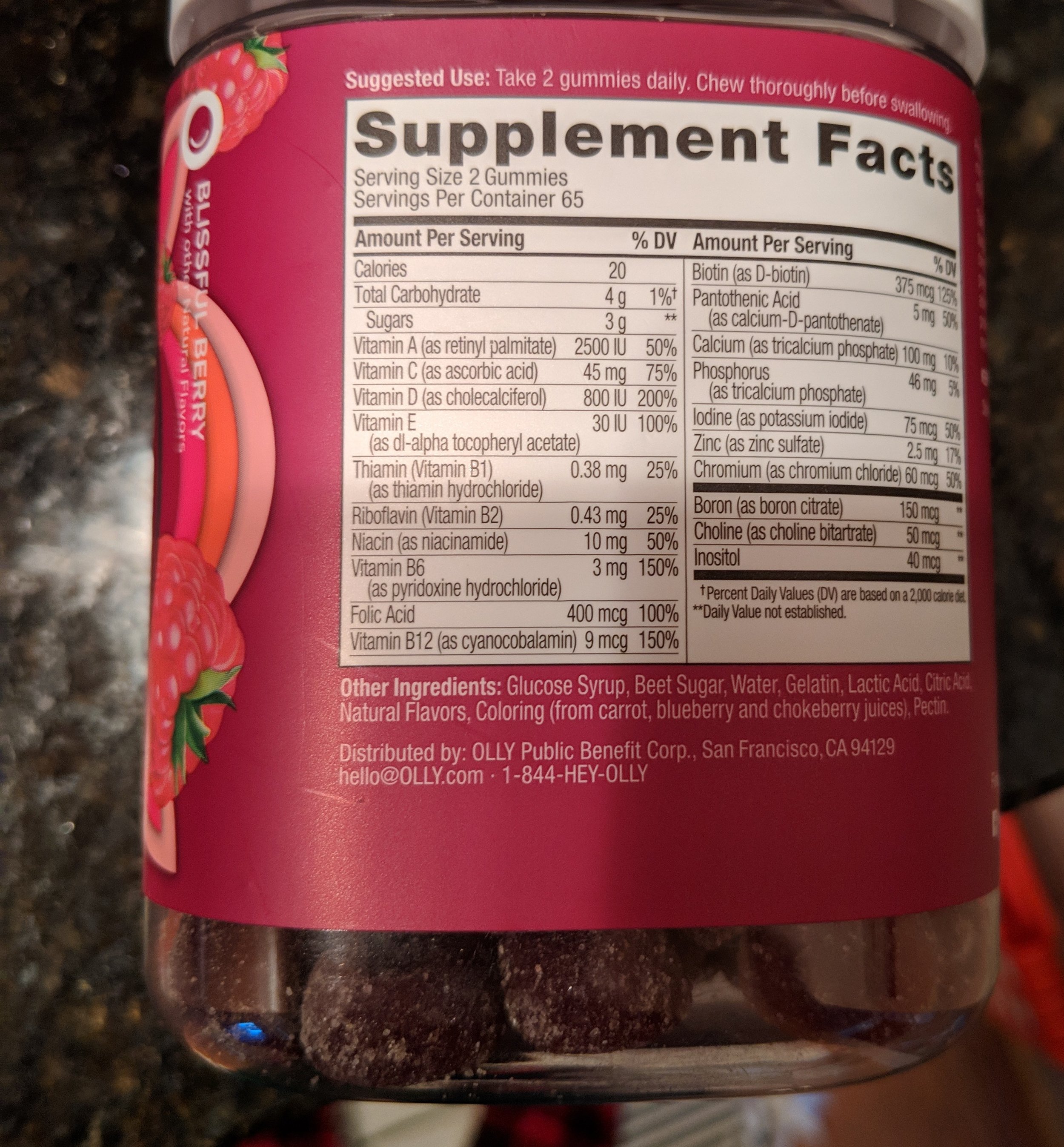
How many times have you picked up a package and seen ingredients on it and didn’t know what they did or even how to pronounce them? I’m sure that may have resulted in you either taking out your phone and using Google to find out what it is or you simply put the product back and looked for something else.
Sometimes a simple list of what those ingredients are is all you need, here’s one such list that could help you:
Vitamin A = Retinol/Retinal/Beta Carotene (and other carotenoids like lutein, lycopene, etc.)
Vitamin B1= Thiamine
Vitamin B2= Riboflavin
Vitamin B3= Niacin/Niacinamide
Vitamin B5= Pantothenic Acid
Vitamin B6= Pyridoxine
Vitamin B7= Biotin
Vitamin B9= Folic Acid
Vitamin B12= Cyanocobalamin
Vitamin C= Ascorbic Acid
Vitamin D= Cholecalciferol (D3), Ergocalciferol
Vitamin E= Tocopherols/Tocotrienols
Vitamin K= Phytonadione (K1), Menatrenone (K2), often also menaquinones
Minerals will show up as their names, like calcium, iron, chromium but at other times you might also see words like calcium ascorbate, which gives you both calcium and vitamin C. So though the name may sound complex, rest assured you are getting the nutrient you need.
A tip: Water soluble vitamins like B and C get excreted throughout the day while drinking water unlike fat soluble vitamins like A, D, E, K which get stored by the body so high doses may cause health issues.
Not sure how to get in all your vitamins and minerals? Look at green powders or supplements and definitely discuss with your doctor if it makes sense for you to take that product.
Disclaimer: this is an opinion post and should not be taken as an endorsement or lack of for any product by me or my employer.
-
Does food expire?
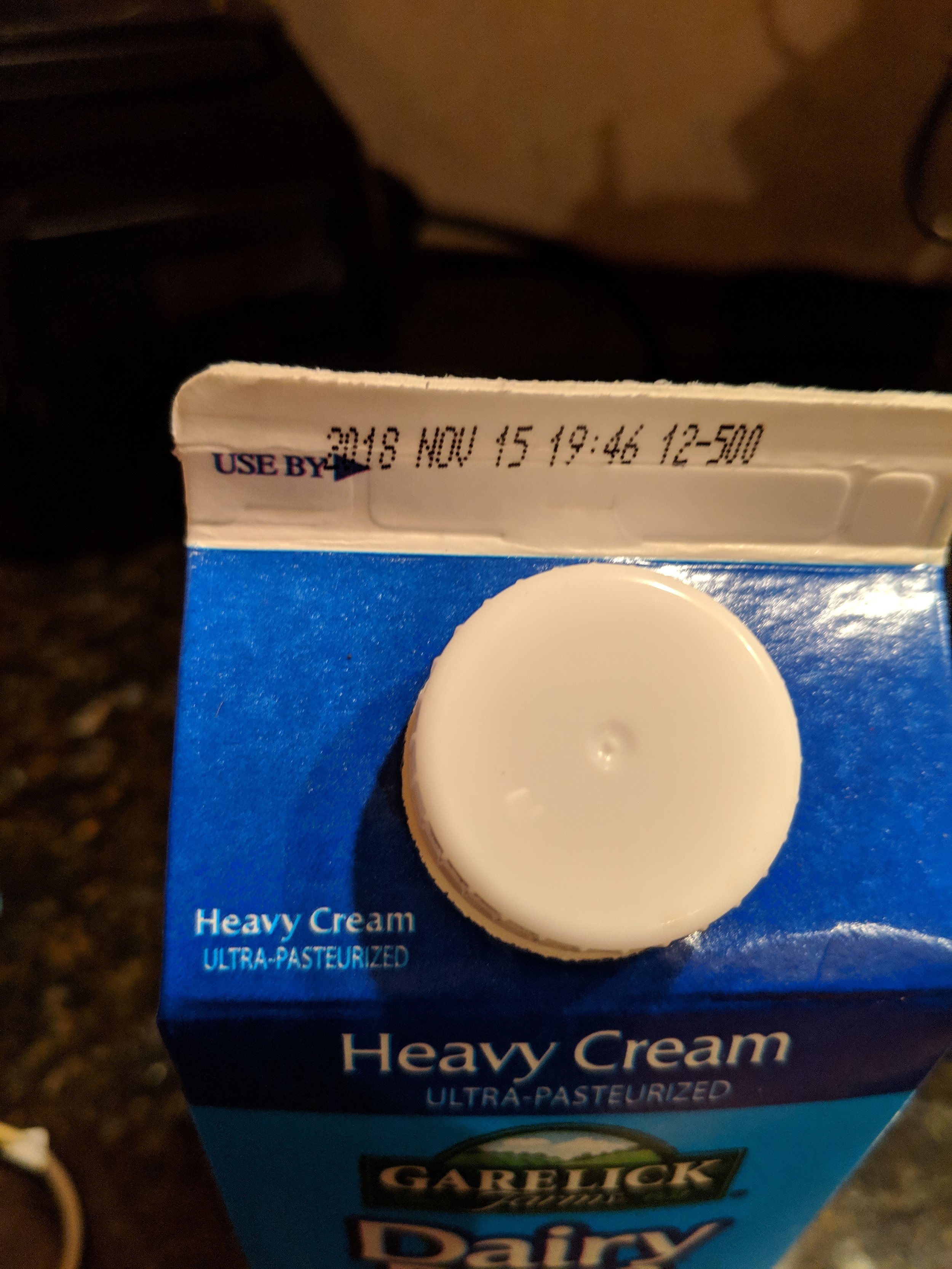
Sell by, best before, use by, etc.. so many terms to define if a food should be eaten or not, no wonder consumers are confused. Confusion leads to food waste so what can you do about it? Understand why those dates exist on products. Not only will you likely eat healthier but you’ll also avoid any unnecessary micro issues that may arise from eating spoiled food.
Let’s start with Use By–this means that the product will retain its most nutritional value if used by this date. Of course, you can probably use some times after this date if it has been stored properly but again make a judgement call because you wouldn’t want to give a baby, for example, formula that is past this use by date since the nutritional value might be compromised.
Another one that you see is Best Before–means this product is fresh and best if consumed before this date. This does not mean that the product has gone bad after this date but rather that the freshness is not there. In other words, have you ever found an old snickers or kit kat at home and because it looked ok, you ate it? Well, you can eat it but it probably won’t be as good as one that is fresh and just bought.
Similar to best before date, Guaranteed Fresh is another date that you might see on bakery items which means that the product is going to taste great until this date though can be eaten after it too but it may not taste as good.
If you buy meat, you typically see a Sell By date on it. This means that the retailer has to get rid of that product before this date. It can be consumed after this date if stored properly. Also, if you buy meat and freeze it, then the dangers of eating it after the sell by date are further minimized.
Expiration date is often seen too and that means that this is the absolute last date you should consume this product and if you do eat it, you are eating it at your own risk.
Most date formats on products today use the Julian calendar. The first two digits represent the year and the remaining the day of the year. An example would be 18182 which means the product has a date of 2018 and the 182nd day of the year or July 1, 2018.
Also, fresh foods tend not to have dates since it all depends on how you store them and how quickly you use them. A good rule of thumb, if it smells bad or has fungi growing on it, it probably has gone bad.
Did you notice that even though all these dates are present on products, not one tells you when the food is actually going to spoil by? Hence, there is so much food waste today. However, some relief may be in sight because the USDA has asked food companies to use the label Best If Used By date to help minimize food waste. Let’s see if this will be implemented and do what it is supposed to.
Disclaimer: this is an opinion post and should not be taken as an endorsement or lack of for any product by me or my employer.
-
Let’s not BEET around the bush, you need BEETS in your life!
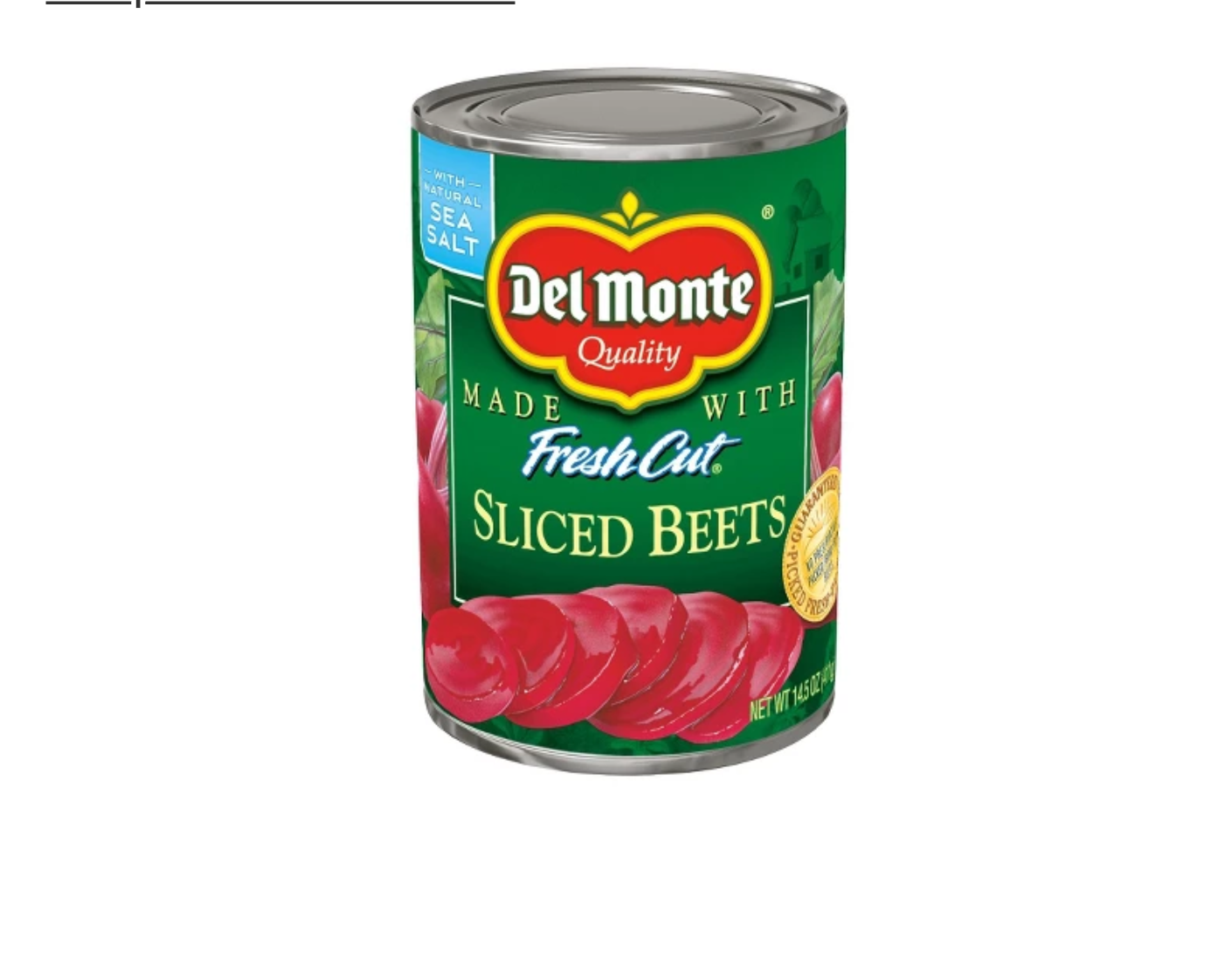
Today, when you hear the word beats, you immediately think of the Beats headphones but no matter how good those beats sound, the power of Beets, the vegetable is ten fold. Why?
Beets are veggies that have tons of nutrients like B vitamins, Vitamin C, iron, magnesium, and more etc. Since they are full of nitrates, they can help with blood pressure regulation as the nitrates convert to nitrous oxide and therefore allowing more oxygen to get into your bloodstream. Because of the nutrients in beets and the presence of nitrates, beets can be used for detoxing as well as keeping you full due to their fiber content.
Are you an athlete? Like to exercise? Did you know beets can be used by athletes to get that nitrous oxide boost to propel them through the workout via natural means thanks to the nitrates in them. Since beets have potassium in them, they can also help regulate your heart health and this is also another reason athletes take them. If you are looking to mix up your preworkout drink, give beet powder a shot and see if you notice a significant improvement.
Beets also have folic acid so that can help women with prenatal care as numerous studies have shown what happens when the adequate amount of folic acid is not received during pregnancy. Plus, like chocolate and oysters, beets are considered an aphrodisiac so if the health benefits don’t intrigue you perhaps this will.
Where can you buy beets? Top choices for beets include your local farmer’s market, WholeFoods, and various other grocery stories but we often don’t have time to cook and need something on-the-go so there are numerous options for this too. From beet powders as seen below in the pic to packaged beets to juices, there is a product out there that you will like. If you don’t know if you would like these products, remember you can always buy a powder or juice that has beets and other greens that you prefer. Most versions of beet powders are available to purchase both in-store as well as on Amazon and other online retailers. Always look for products that have 100% beet powder and no added sugar to get the most benefit from beets.
How much and how many times should you consume beets is up to the individual. Caution must be taken if your body cannot process the oxalic acid that beets have because if your body cannot break it down, then it could result in kidney stones and other health problems.
Disclaimer: this is an opinion post and should not be taken as an endorsement or lack of for any product by me or my employer.
Is this the best way to get your beets in?
-
Why is Kombucha in the news?
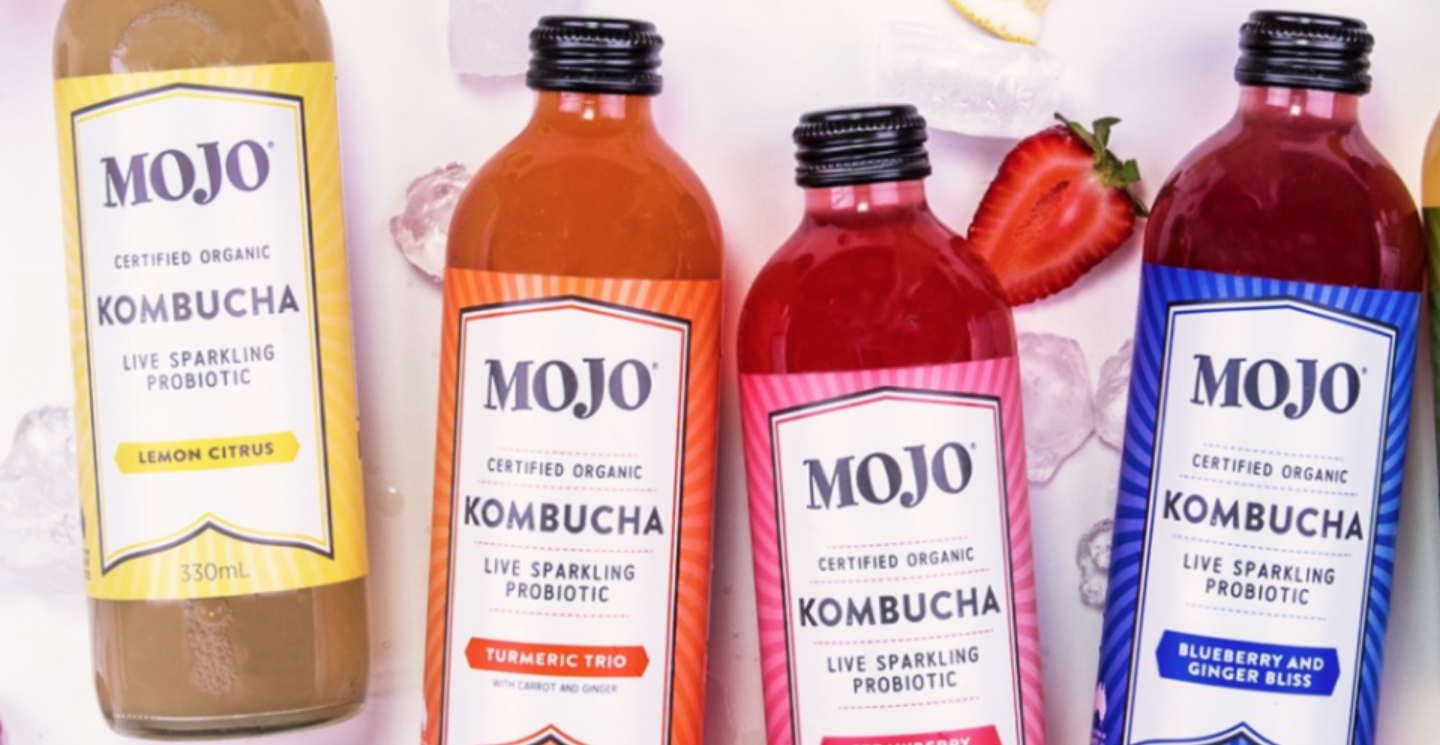
Did you hear that Coca Cola is investing in komucha? Why? Is it because it is the fastest growing beverage or is it this another area that would fit their product portfolio?
What is Kombucha? Kombucha aka mushroom tea is one of my favorite healthy drinks to drink and there are multiple reasons for this. Kombucha is fermented, sugary black or green tea made from bacteria and yeast. The sugar feeds the yeast and bacteria which form the SCOBY (symbiotic culture of bacteria and yeasts) layer or mushroom layer that you see on top of the kombucha—hence the mushroom tea nomenclature. Some of the questions that I get asked a lot is does kombucha have alcohol followed by will it upset my stomach if I drink the entire bottle in one day? Let’s find out the answers.
Most consumers take Kombucha for its perceived health benefits. Due to being made up of live bacteria and yeast, it can have a slight vinegar style taste hence you will find original versions along with versions that have cayenne pepper, turmeric, etc. to make it taste more palatable. Remember, fermentation results in alcohol production so always check for the low alcohol version and low sugar version as fresh kombucha has less than 0.5% alcohol.
Purchasing kombucha is easy enough as it can be found in stores around the country like Target, ShopRite, Whole Foods, Walmart etc. but also online via Amazon. My personal preference is the one with turmeric as then you get the benefits of turmeric as well as the kombucha. Of course, you can also make your own kombucha at home as there are multiple recipes online that you can try.
So why should you drink kombucha? If you don’t gravitate towards tea typically but do want some of the health benefits that come with tea, you might want to pick up a bottle of kombucha. If you are a fan of apple cider vinegar and its benefits than you might like this product too. The benefits of kombucha that are well known include healthy bacteria that can support your immune system and gut. Kombucha also has B vitamins that can help you give you a boost of energy and in turn also aid your cardio health. Also, some products claim that it can help maintain your liver health via detoxification due to its combo of tea and fermentation. Plus, we all know the benefits of drinking green tea in terms of weight management and weight loss so since it is likely brewed with green tea, you can reap some of the benefits of this as well. Of course, the aforementioned benefits totally depend on your lifestyle and body chemistry.
Why is kombucha currently in the news? Hint, let’s get back to the alcohol content and upset stomach questions posed earlier to answer this newsworthy question? Caution must be taken while drinking kombucha because it is acidic and over-fermentation is possible. Depending on how it is stored, that alcohol content can be higher or lower so buyer beware. Read the label and make sure you are not consuming too much sugar in one serving. If you are new to Kombucha, build up a tolerance to it as it is acidic and has a vinegar like taste!
Disclaimer: this is an opinion post and should not be taken as an endorsement or lack of for any product by me or my employer.
Do you drink kombucha?
-
On keto? Read the nutrition label for your goals
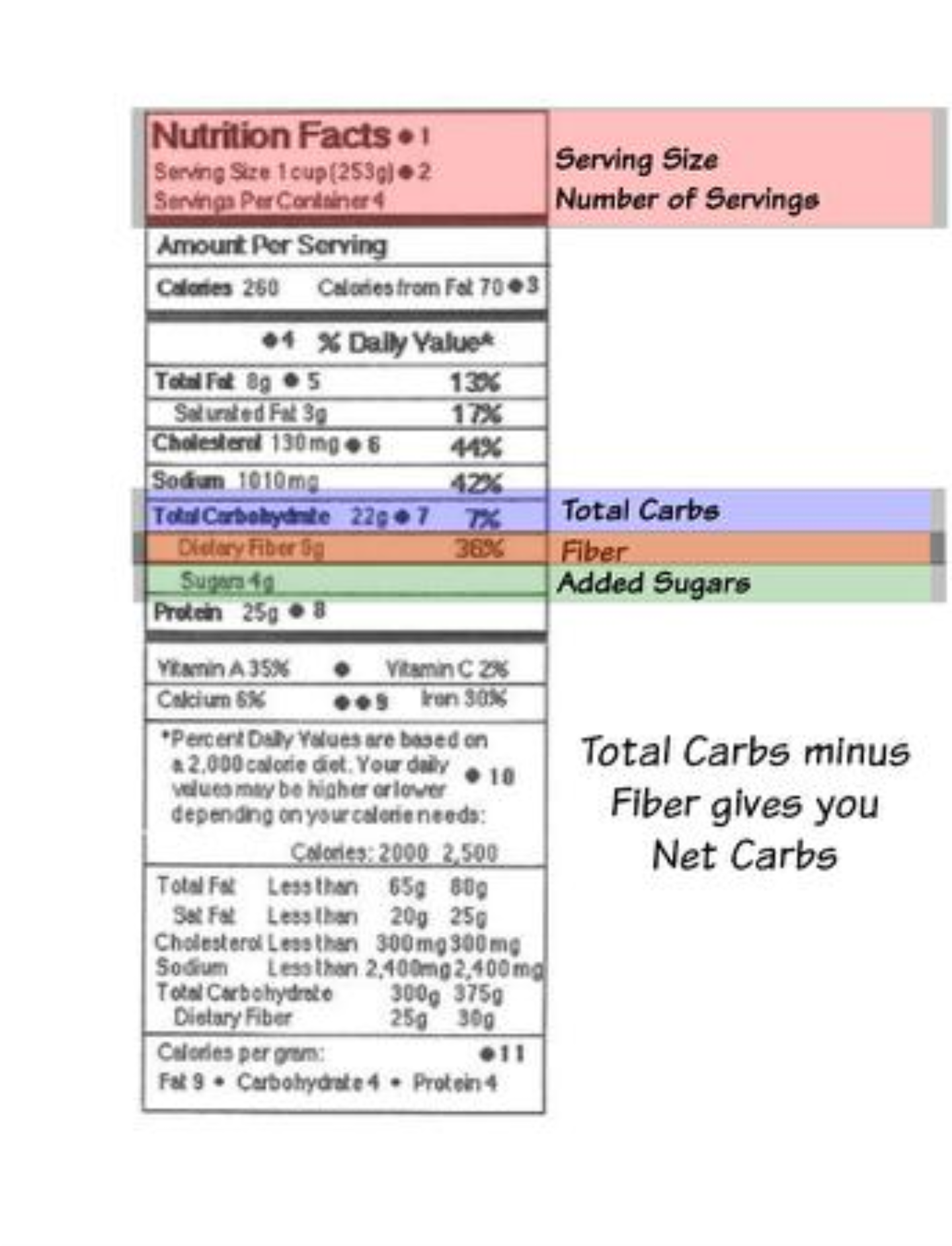
So you decided to start the keto diet but don’t know how to actually get started so what do you do? You Google search types of keto or high fat products but did you know there is a ton of info on the nutrition label that can help you too?
We all know calories, sugar, sodium, and protein are pretty much what consumers care about but do you know what a calorie is? A calorie is the amount of heated need to raise the temperature of 1g of water by 1 degrees Celsius; so when we measure food calories we are basically measuring the amount of heat necessary to keep our bodies functioning when we are trying to maintain, gain, or lose weight. You might also see kcal (kilocalories) on a label and that means 1 kcal = 1000 small calories. Sometimes kcal gets shortened to calories.
Percent Daily Value (% DV) is another item on the label that can give you some valuable info. It tells you the % of each nutrient in a single serving. Why is this important to you? Say you wanted more fiber you would look for something that has a higher % fiber DV. Or perhaps, you are looking to for less fat intake, you might look at the % DV of the fat and see does that meet your requirement of less fat.
A tip: you should pay attention to the serving size because often times you might eat the whole product before realizing that the label is only showing you the amount of calories and nutrients for a smaller amount or portion of the serving size. For example, you might be eating a whole bag of chips but serving size is 1/3 cup with 4 servings per bag.
You might or might not see on the label calories per gram: 9g fat, 4g carbs, and 4g protein. All these values you can keep in mind when you deciding how much of a macronutrient (fat, carbs, protein) you are consuming. Remember, look for foods that give you nutrients and not empty calories like a soda would for example.
With ketogenic diet being a hot favorite right now, you can see how just a little bit of good fats (avocados, MCT oil, olive oil, nuts) can add up and give you more fat calories. The diets that are really popular are those with high protein and low carb and now by knowing that protein and carb have 4g calories per gram, you can see how you need to add or cut more to get the effect you want.
Disclaimer: this is an opinion post and should not be taken as an endorsement or lack of for any product by me or my employer.
-
Breast Cancer Awareness: October

With October being Breast Cancer awareness month, please take time to donate to this cause via barbell for boobs. If you have been affected by breast cancer in any way via self, friends, or family, please consider making a donation that will help those who have breast cancer.
More on barbell for boobs can be found here:
https://www.barbellsforboobs.org/s/647/651/e
-
Ingredient search
If you are interested in learning about what a product or food item does, where do you start? Usually the supplement/nutrition facts panel on the box that shows the macros and ingredients on it. But beyond that, what do you do?
Most of us go to Google and search for an item or phrase but do you know the best way to learn about something and what search term to use? How can you trust the info you are researching? Is it written by a supplier or a reputable authority? I’m going to give you some tips on how to search for an item.
I’ll use the example turmeric for discussion. If I was searching for turmeric on Google, the top 3 results will likely include WebMD, Healthline, and NCCIH. Each website is a reputable site and you can learn about them on their About section tab on the website. The info regarding turmeric may conflict between the three websites so you need to determine what is relevant for you and your goals and then speak with your doctor if needed. We often also look at Wikipedia for quick answers but remember all the info on the Internet is not always correct, if you are unsure about something or it sounds too good to be true, check multiple sites and see if there is a trend—yes, it takes patience and time but the effort will be worth it.
Another search tool that I use is to search other blogs that talk about the topic of interest and look at the comments that people have posted. I always find it beneficial to read about other user’s experiences versus a scientific body of people that I don’t know but again remember that everyone’s body chemistry is different so check with your doctor prior to trying a new regiment or supplement.
Sorting out the good information from the plethora of info on the Internet isn’t always easy but it can be done. The more you search for an item, the more the relevant websites come to the forefront. Happy Searching!
do you know what’s in your food?
-
Stomach ache?
Often times we have stomach aches for multiple reasons, some that we can control through exercise and diet and others that we can’t. This post will be about the former but again check with your doctor as to the reason for the stomach ache.
Have you done a lot of squats/bench press/situps before? How do you feel the next day? Sore? That’s called delayed onset muscle soreness or DOMS and for me, sometimes the stomach ache is from that so I can minimize some of that by stretching, relaxing, or yoga but the most beneficial is not to work those muscle groups again. The point of working out is to better yourself, not be in more pain than before you started, right?
Other reasons, you might have stomach aches is perhaps due to your diet. I have done the gluten-free diet and I found that avoiding gluten made a huge impact on my health and how I felt. I also tried avoiding dairy and noticed that too helped me. What does this tell you? Sometimes our inflammation issues may directly be related to what we eat so if you can keep a food journal or use MyFitnessPal app to track what you are eating and slowly remove certain items, maybe you will feel better?
Depending on your lifestyle, perhaps you are not getting enough fiber in your diet and that too could be a reason for the stomach ache or perhaps a certain food item you ate is causing food poisoning; there are a multitude of reasons for that stomach ache so try to isolate the cause of it.
No one solution fits everyone but in general, I avoid processed foods and stay active to help feel better. Making smarter food choices and exercise choices should be easy to do otherwise we tend to fall off the wagon so to speak.
Ate and now your stomach aches? What did you eat?
-
Subscribe
Subscribed
Have a WordPress.com account? Log in now.

