
I was reading an interesting article the other day and thought about what it means for me.
Working in science for most my life, I’ve constantly read and researched various aspects about a topic and then made educated decisions based on that data but what does the average consumer do?
News-stories often show that possibly supplement X may not help with condition Y that it was earlier thought to have improved. That story is then blasted to everyone over the internet resulting in consumers making a purchase decision based on what they saw or read. So how can you tell if the research is accurate and not going to be refuted with the next study? Well, you really can’t determine that since science and technology continue to evolve but you can do something else.
Some rule of thumbs are as follows. If a study sounds too good to be true, you can count on it to be that but if you are still unsure, consider doing your own Google search and see if others are making the same claim. Look at the population pool of the study. Who was evaluated? How many people? Over what time? Simple questions but could make a huge difference in how you interpret those results. If you did find similar studies, claiming the same thing than at least you know the results are somewhat repeatable so maybe the results are true. Finally, it is always important to see who funded it. Why? Sometimes that can drive the results of the study to show what that company wants.
Most of us don’t have that much time to figure out the answers to those questions but if in doubt, do your research and the results may surprise you.
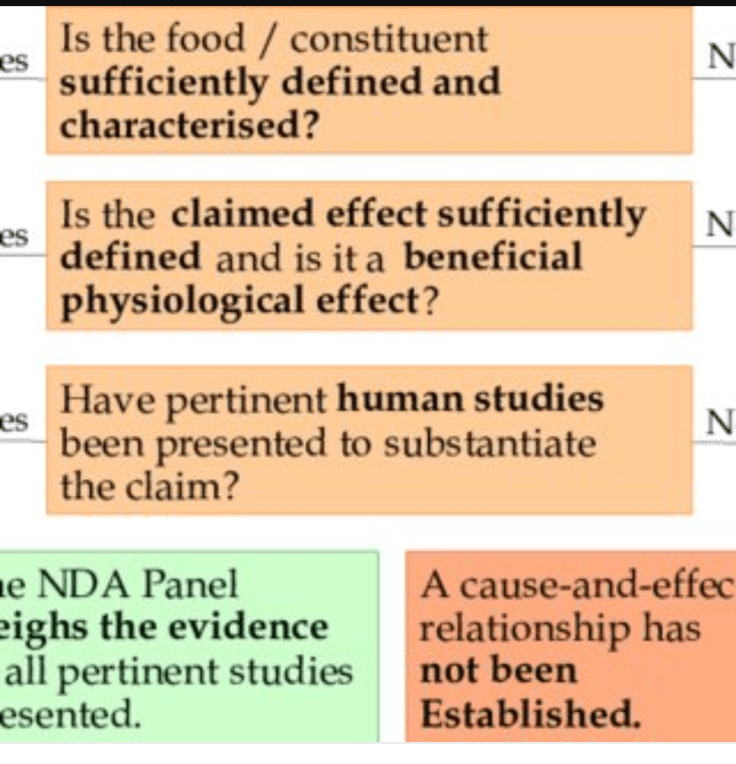
Image from research gate.. How do you analyze food research?
 amitunfiltered.com
Leave a comment