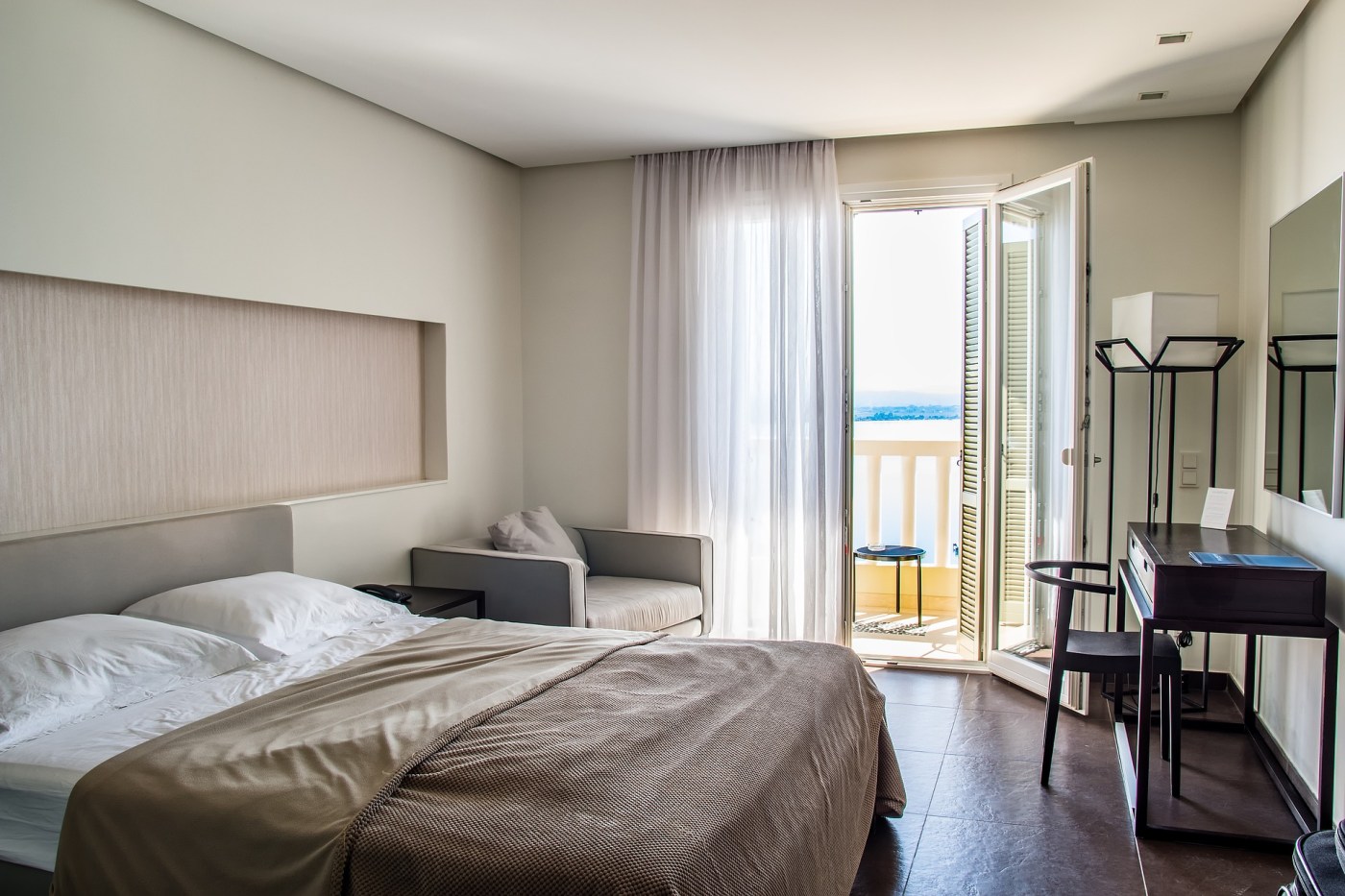
If you’re like me and travels for work, you may have experienced trouble sleeping at night. Why is that? Is it bed sheets? The diet? The air pressure? In this blog post, let’s discuss some of the reasons why you might struggle to sleep when you’re away from home, and what you can do to address the problem.
One of the most obvious reasons why you might struggle to sleep when traveling for work is simply that you’re in an unfamiliar environment. This can be a major challenge for many people, as the brain is wired to be alert in new situations, in order to keep you safe. When you’re staying in a hotel or a rental property, it can take time for your brain to get used to the new surroundings especially with all the doors slamming and people walking and chatting in the hallways, which can make it difficult to relax and fall asleep. Hotel life is not comfortable either unless you stay there multiple nights to adjust.
Another potential factor that can affect your sleep when traveling is jet lag. If you’re crossing multiple time zones, your body’s natural circadian rhythms can become disrupted, which can lead to fatigue during the day and difficulty sleeping at night. Jet lag can be particularly challenging for people who need to adjust to a new schedule quickly, such as those who are traveling for work. By far, jet lag and its effect are so underated especially when traveling in the US.
In addition to these more external factors, there are also a number of internal factors that can contribute to sleep problems when traveling. For example, stress and anxiety can be major culprits. If you’re traveling for work, you may be worried about meeting deadlines, impressing clients, or simply getting everything done on time. This kind of stress can make it difficult to switch off and relax, even when you’re tired.
So, what can you do to address these sleep issues when traveling for work? You may want to consider bringing along some familiar items from home, such as a favorite pillow or blanket, in order to create a more comfortable sleeping environment. You may also want to consider using a white noise machine or earplugs to block out any unfamiliar sounds. White noise really works for me, just play it on your phone by asking Google Assistant to play white noise and doze away.
Finally, if you’re struggling with stress or anxiety while traveling, it may be helpful to explore some relaxation techniques, such as meditation or deep breathing exercises. These can help to calm your mind and body, making it easier to fall asleep and stay asleep throughout the night. Meditation has been working for me too along with the white noise so you may need to double up.
In conclusion, sleep problems are a common issue for many people who travel for work. Whether it’s due to jet lag, unfamiliar surroundings, or stress and anxiety, there are a number of factors that can affect your ability to get a good night’s rest. Find what works best for you while you travel and sleep well!
Stay well!
 amitunfiltered.com
Leave a comment