-
AI 101: AI Explained
Do you struggle with AI? Have parents, friends, and others who struggle with terminology and understanding what AI is good for?
The guide defines basics terms that are often mentioned in numerous online videos and definitely can be confusing to a new user.
Check out my guide, free to use, no data collected.
-
Which supplement should I take? #Supplement Explorer
Are you always on your phone looking at which supplements you should take? Do you look at reviews? How do you decide what to buy?
As someone who has been in the nutraceutical industry for over 10 years, I’ve worked with many suppliers and companies to understand why an ingredient is chosen, what research is behind it, and how to sell it to a consumer, so if you are looking for some answers to questions you may have, drop a comment, or even better check out the Supplement Explorer on the site. It is free to use, 3 questions, and a simple output. No info is stored.I made the Supplement Explorer purely for my use and then thought, well, if it is useful for me, maybe it is useful for others. The tool is not affiliated with any company or brand, but was just a way for me to showcase what I find useful. If you use it, do give me feedback as to what you’d like to see it on too.
Stay well and remember, before taking any supplements, check with your doctor if it is a good fit for you or not!
-
Airplane food upgrade

I’m been traveling lately and hence the delay in some new posts but now I have much more to share so all good! Traveling always comes in spurts for me so a lot changes between trips. This time, I’m going to talk about airplane food!
It’s been awhile since I flew international and I must say the cuisine upgrades have been phenomenal! I got to taste everything from Indian to French to more. The quantity was nice and the presentation was impressive. The menu was assorted enough to not get bored. I was never too full or sick of eating. The best part, it all tasted so good. Would you enjoy this type of quantity and presentation?
Stay well!
-
Lost possessions
What would you do if you lost all your possessions?
If I lost all my possessions, I’d probably cry first and then move on because they are only things that can be bought again.
I’ve had a similar experience previously but I persevered and came out stronger.
I guess we place a lot of importance on things we own not realizing family and health are more important!
All about perspective as to what your possessions mean to you!
-
Valuable trait
What’s the trait you value most about yourself?
I think the trait that I most value about myself is honesty.
It took a long time to be able to speak up and be honest at work because we all fear our opinions won’t be appreciated but as I get older, I don’t need to separate my personal self from my work self. You can be honest and voice your opinion without being offensive and retaliatory. Not to mention people actually appreciate a opinion that might be something others are thinking too!
Also, I just am a terrible liar, I just break out in a cheeky smile. Hehe
-
Coughing season is here!

I tend to cough during allergy season and now during weather change. That got me to thinking what can I do about it without taking too many meds. Are there natural options?
1) Honey and LemonHoney’s natural antibacterial properties help soothe the throat, while lemon provides vitamin C to boost the immune system. Mix a tablespoon of honey with fresh lemon juice in warm water or herbal tea for a soothing drink that can ease your cough. I also like honey vanilla herbal teas as it’s an all in one.
2) Ginger TeaGinger is renowned for its anti-inflammatory and antibacterial properties, making it an excellent choice for cough relief. Indian chai is loaded with ginger so that’s my go to. Sipping on ginger tea can reduce throat irritation and promote healing.
3) Steam InhalationSteam inhalation is a simple yet effective method to ease coughing and congestion. Boil a pot of water, remove it from the heat, and place your head over the steam while covering it with a towel. Inhale deeply for a few minutes to help loosen mucus and relieve chest discomfort. This really works if done right!
4) Saltwater GargleA saltwater gargle can help soothe a sore throat and alleviate coughing. Dissolve half a teaspoon of salt in warm water and use it as a gargle solution. The saltwater can reduce inflammation and discomfort in the throat, providing relief from coughing. In conjunction with #3, this is great too.
From the healing powers of honey and lemon to the soothing effects of ginger and steam inhalation, these remedies can provide much-needed relief without resorting to chemical-laden cough syrups. Remember, while these natural cures can be helpful, it’s important to consult a healthcare professional if your cough persists or worsens, as it could be a sign of an underlying condition.Stay well!
-
Fall weather

With the seasons changing here in the Northeast, it means it’s time to change not only our clothes but also our supplement and food intake. Yeah, pumpkin spice is everywhere but that doesn’t mean all those items are healthy or good for you. So what should you be doing different?
Well, the sun will slowly set earlier and it will get darker earlier so add some Vitamin D in your supplement regimen. I take 1000 IU every other day in the fall and daily in the winter but consult your doctor as to what’s best for you. My go to is always Ester-C which I take daily all year and I know that since Vitamin C is water soluble, I will flush it out if I get too much of it. That’s about it for my must haves in the fall, in terms of supplements. How about you?
Regarding food, I do add in more soups and chicken stew in the fall. Anything warm, really is the right meal for me in the fall and winter. Yeah, I’m that guy that drinks hot coffee all year! However, I do indulge in an occasional pumpkin spice drink, I mean it is fall right?!
Stay well!
-
Favorite foods
What are your favorite types of foods?
So many types to choose from but I restrict myself by not eating beef and red meat due to religious reasons but though the pool is smaller, I can still find a lot to choose from.
My favorites include Mexican, Chinese, Thai, Singaporean, and of course, Indian. Not to mention a touch of Italian and a splurge on dessert, completes my cuisine choices.
-
A cup of chai

My favorite drink is chai! I love the flavor, the throwback to memories it invokes, and of course its calming effect. However, did you know it has many other benefits? Like what?
1. A Boost of Energy and Focus: Chai contains caffeine from black tea, which provides a gentle pick-me-up without the jitters often associated with coffee.
2. A Wealth of Antioxidants: The spices in chai, such as cinnamon, cardamom, and cloves, are packed with antioxidants. These compounds help combat oxidative stress in the body, reducing the risk of chronic diseases and supporting overall well-being.
3. Digestive Support: Ginger, a common ingredient in chai, has been renowned for its digestive benefits for centuries. It can soothe an upset stomach, alleviate nausea, and aid in digestion after a hearty meal.
4. Immune System Booster: The spices in chai, like cinnamon and cloves, are known for their immune-boosting properties. Regular consumption of chai may help strengthen your body’s defenses against common illnesses.
5. Stress Reduction: The process of brewing and sipping a warm cup of chai can be incredibly relaxing. The aroma of chai spices can have a calming effect, helping to reduce stress and anxiety.
6. Heart Health: Black tea, a key component of chai, has been linked to improved heart health. It may help lower cholesterol levels and reduce the risk of heart disease when consumed as part of a balanced diet.
7. Weight Management: Chai is relatively low in calories compared to many other popular beverages. If consumed without excessive sugar and cream, it can be a weight-conscious choice that satisfies your taste buds.
8. Cultural Connection: Chai is more than just a beverage; it’s a cultural experience. Sharing a cup of chai with friends or family fosters connections and provides an opportunity to unwind and bond.
9. Versatility: Chai is incredibly versatile. You can enjoy it hot or cold, sweetened or unsweetened, and even experiment with various spice blends to create your own unique chai concoctions.
10. Delicious Taste: Its warm, spiced flavor is both soothing and invigorating, making it a beloved choice for those seeking comfort in a cup.
So why do you drink chai?
Stay well!
-
Relax by
How do you relax?
There are so many ways to relax, from watching movies to working out to napping.
My favorite is afternoon naps. Why did we get away from this as adults? I bet we’d all be happier and less tired. Right?
-
Glutathione in the winter
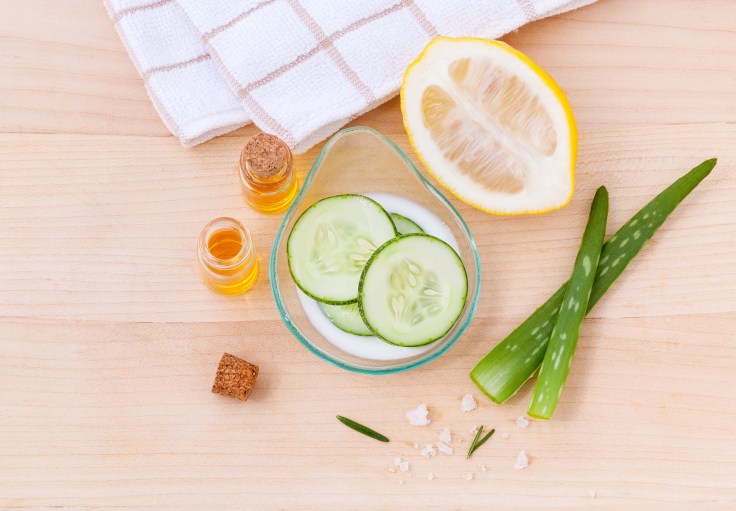
With labor day behind us, we are slowly approaching winter; that means 1) colds and 2) dry skin. You like me probably know what works best for you. For me, I stock up on my CeraVe moisturizer and Ester-C and Vitamin D supplement. Both help me each winter to stay healthy but I also add another supplement that I believe provides me some benefits-glutathione.
What is Glutathione?
Glutathione is often referred to as the “master antioxidant” due to its unparalleled role in combating oxidative stress and supporting various bodily functions. It consists of three amino acids: cysteine, glutamine, and glycine, and is primarily produced in the liver. This mighty tripeptide plays a pivotal role in maintaining our health by neutralizing harmful free radicals and aiding in the detoxification process.
Winter Challenges and Glutathione
- Boosting Immunity: Winter is notorious for increased risk of colds, flu, and other infections. Glutathione strengthens the immune system by enhancing the activity of immune cells, helping the body fend off pathogens more effectively.
- Fighting Seasonal Depression: Seasonal Affective Disorder (SAD) can affect many during the darker months. Glutathione’s ability to reduce oxidative stress in the brain may help alleviate symptoms and improve mood.
- Detoxification: During winter, we tend to consume more comfort foods and beverages. Glutathione supports the liver in processing and eliminating toxins from these indulgences, promoting a healthier internal environment.
- Skin Protection: Cold, dry air can take a toll on your skin. Glutathione contributes to skin health by reducing oxidative damage and supporting collagen production, helping you maintain a radiant complexion.
These benefits are enough for me to incorporate glutathione in my winter supplement arsenal. What else do you think is a must to have in the winter to help stay strong & healthy?
Stay well!
-
Daily habit to improve your life
What daily habit do you do that improves your quality of life?
This question actually fits my blog really well! How will I answer this? Hmm
The first answer that came to mind is that I exercise daily in some fashion. I think movement just releases endorphins so that is always good, right?
In conjunction with this habit, I also eat some sort of fruit daily. Not only do I get a bunch of nutrients but I curb my need for dessert! Plus, I love to eat watermelon, mango, and pineapple!
For me, incorporating these habits can be summarized by 🚶🥭🍉🍍👌👍☺️
-
Subscribe
Subscribed
Have a WordPress.com account? Log in now.

