-
AI 101: AI Explained
Do you struggle with AI? Have parents, friends, and others who struggle with terminology and understanding what AI is good for?
The guide defines basics terms that are often mentioned in numerous online videos and definitely can be confusing to a new user.
Check out my guide, free to use, no data collected.
-
Which supplement should I take? #Supplement Explorer
Are you always on your phone looking at which supplements you should take? Do you look at reviews? How do you decide what to buy?
As someone who has been in the nutraceutical industry for over 10 years, I’ve worked with many suppliers and companies to understand why an ingredient is chosen, what research is behind it, and how to sell it to a consumer, so if you are looking for some answers to questions you may have, drop a comment, or even better check out the Supplement Explorer on the site. It is free to use, 3 questions, and a simple output. No info is stored.I made the Supplement Explorer purely for my use and then thought, well, if it is useful for me, maybe it is useful for others. The tool is not affiliated with any company or brand, but was just a way for me to showcase what I find useful. If you use it, do give me feedback as to what you’d like to see it on too.
Stay well and remember, before taking any supplements, check with your doctor if it is a good fit for you or not!
-
Clean label–what does it really mean?
If you read any blog or watch the news or basically ready anything about food today, there is definitely a push for clean label items. Everyone wants natural sounding words on a label that they can pronounce but did you know that there is no definition for clean label today that is defined by the FDA? Clean label is very subjective and can mean different things to different manufacturers and consumers.
For a manufacturer, clean label can mean reducing the number of ingredients in an item or it can be removing artificial ingredients or it could be just making a product organic. You’re probably saying wait, hold on! Yes, each of these can totally impact what and how you purchase an item. For example, if an ingredient is removed or replaced with something less complicated to say then the taste or texture of the product might be bad. An example, could be buying sweetened cereal that had sugar previously but now has stevia—it is still sweet but likely won’t taste the same as before. Remember, when a manufacturer makes a formulation or label change, they are doing this to make it seem as similar to what you had been previously consuming so that you still want to buy the same product. Often times, when consumers want something natural and without preservatives, you might get that product but perhaps might not like the taste or texture. For example, think about what strawberries taste like, does that bring back a pleasant memory, do you recognize the taste, and can you feel the texture in your mind? Now, imagine if a strawberry flavored drink used actually strawberry powder versus the current synthetic strawberry powder, my guess is that you would realize a difference very quickly between the two products. This is another area where manufacturers and marketers must keep in mind when introducing a new or altering a product to be clean label.
Other ways that an item can be considered clean label is by labeling something free from or labeling it organic as both are perceived healthier by the consumer. Again, is the consumer aware of the impact of both of these or do they know the buzz words and purchase the product based on that? Other certs that drive a product’s purchase include gluten free, non-GMO, etc. but like organic these are actually governed by a body that certifies products, so that might be looked favorably upon by consumers. Are the buzz words still the key here?
Other words that can appear on products include healthy, raw, natural, wholesome, etc. but none of these are clearly defined by the FDA and so claims from these words are often scrutinized. As a consumer, it does imply that the product is good for me and that I’m at least trying to do the right thing for me and my family but what consumers must consider is how many and what nutrients am I taking in or feeding my family. Am I achieving my balanced diet? That is key.
Finally, clean label can also mean can I see through the packaging to see what I’m getting and can it be recycled or is it environmentally friendly? For me, I like to see what the product looks like and a package that doesn’t have the clear pane to let me see it usually doesn’t get bought. Price, preference, quality are all important but knowing what you are eating is just as important because humans are visual beings too.
To choose wisely, clean label items can meet the above buzz words if that’s your preference or you could simply look at the ingredients and see if it fits your lifestyle.
Disclaimer: this is an opinion post and should not be taken as an endorsement or lack of for any product by me or my employer.
-
Coffee addiction?
Most of us grab a cup of coffee in the morning when we get up or go to work while others have this beverage throughout the day whether we brew it traditionally or use Keurig or go to our favorite Dunkin Donuts, Starbucks, Caribou, or local coffee shop but do you know about the health benefits of coffee? News stories always tend to contradict how important coffee is to your health but there are some basics that probably will not change. Anything in excess is always not going to be good plus if you add the caramel or added sugar to it, you’re health benefits are going down significantly so make smart choices when drinking your favorite coffee beverage as though you may be wanting that caffeine spike, you may also at the same time be sabotaging your health by adding all the extras to it.
One of my first posts talked about buttered coffee that is consumed by many keto drinkers as well as those who want to get their MCTs in for the energy but coffee by itself can give you that boost due to it being caffeinated. Did you know that this bitter caffeine component is actually a way for the coffee plant to deter other animals from encroaching on its territory or rather it is a self-defense mechanism for the plant. Typically, a cup of black coffee has 100 milligrams of caffeine so consuming 3 or 4 cups a day is probably safe but again don’t overdo it. Today, caffeine can be found in multiple products for the energy boost it gives individuals but for it to show up in various products, it has to be masked or coated with something so that when you bite into the product or consume the drink, the bitter taste doesn’t overwhelm you—this is why you see so many energy drinks with caffeine that taste good.
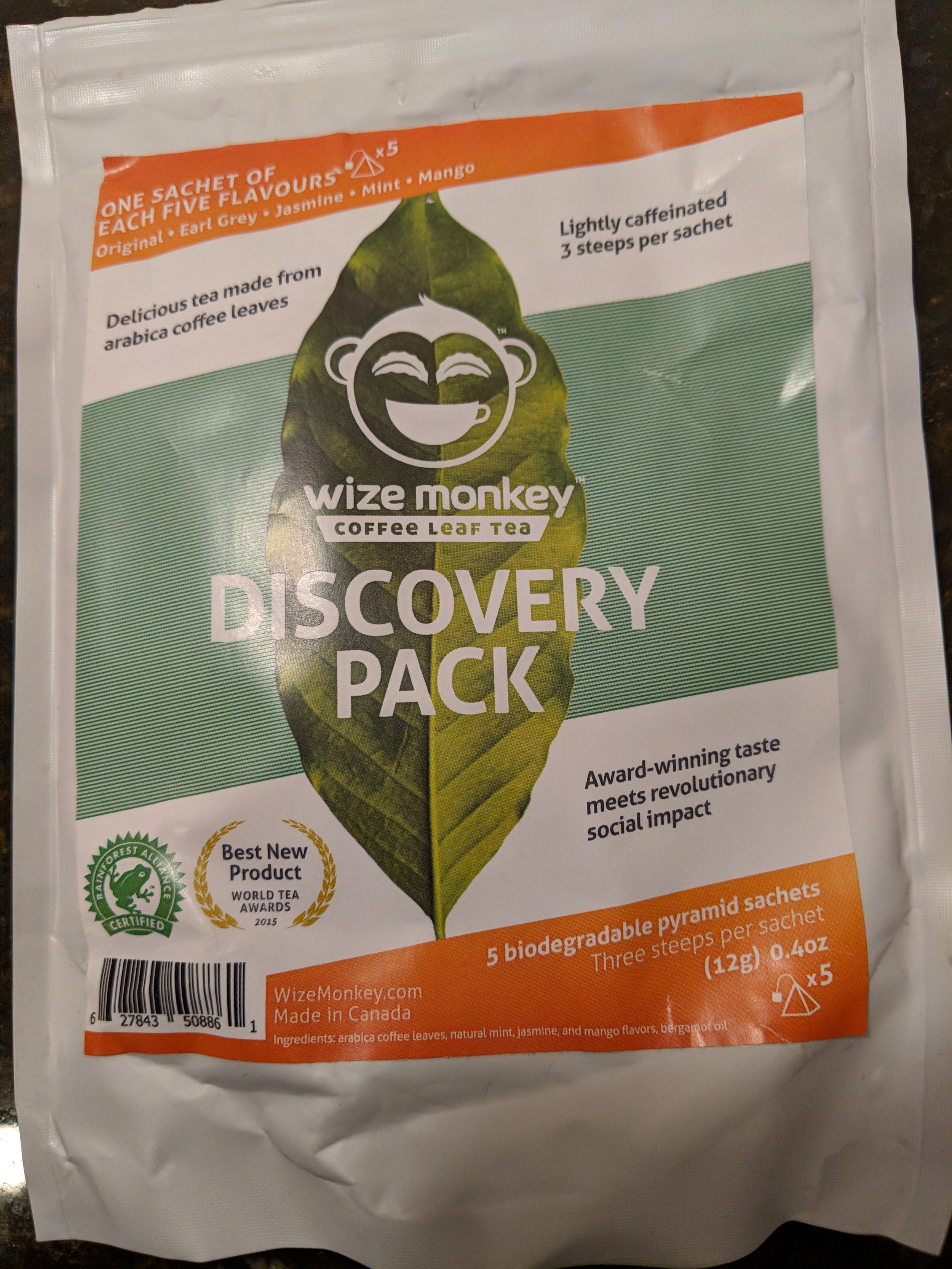
Many of us brew coffee at home and use beans but did you know the bean is the seed from the coffee cherry fruit. During cultivation and harvest of this seed to give you the beans you brew, a lot of waste is left behind as the remainder of the fruit is not used so you now have companies like Wize Monkey (https://www.wizemonkey.com/) who harvest the leaves of the coffee plant for tea and therefore not only eliminate food waste but also help the local economy where the coffee bean is harvested. I’ve tried their tea and it definitely tastes great, has antioxidants, and only slight caffeine.
With the basics of coffee out of the way, let’s talk about the health benefits of drinking coffee. As mentioned earlier, the best way to drink your coffee to reap all its benefits is black. By adding cream, sugar, and other extras, you are actually making the body process all those extras first before it can process coffee nutrients. Some of the benefits of drinking coffee include less likelihood of heart disease, better protection against liver failure, and possibly pain reduction after a workout but the one benefit that I like is that coffee drinkers tend to be happier and social versus non-coffee drinkers—there is limited data on this but a casual observer can see the popularity of Starbucks and other local joints that invite the consumer to sip there so there must be some truth to this benefit, right? It’s important to keep in mind that all benefits of coffee are totally dependent on your lifestyle and activity level and how you take your coffee so sometimes the impact won’t be seen right away or at all.
As always be aware of how coffee affects you because for some it can cause headaches while others it may result in an urge to go to the bathroom. Plus, if you are nervous about the caffeine impact or have any sort of heart or blood pressure issue, decaffeinated coffee might be a better option but always ask your doctor what’s best for you. Nonetheless, enjoy your coffee if you drink it!
Disclaimer: this is an opinion post and should not be taken as an endorsement or lack of for any product by me or my employer.
Wize monkey coffee leaf tea–so yummy!
-
The power of Beets!
One of the staples that most kids have while growing up is beets. Parents probably remember giving their kids beets for the first time and seeing it stain their child’s clothes. As adults, we are still enjoying beets but hopefully, we aren’t dropping it on our clothes still!
What makes beets so good? Beets are veggies that have tons of nutrients like B vitamins, Vitamin C, iron, magnesium, and more etc. Since they are full of nitrates, they can help with blood pressure regulation as the nitrates convert to nitrous oxide and therefore allowing more oxygen to get into your bloodstream. Because of the nutrients in beets and the presence of nitrates, beets can be used for detoxing as well as keeping you full due to their fiber content. Beets are used by athletes as well to get that nitrous oxide boost to propel them through the workout via natural means thanks to the nitrates in beets. Since beets have potassium in them, they can also help regulate your heart health and this is also another reason athletes take them. Beets also have folic acid so that can help women with prenatal care as numerous studies have shown what happens when the adequate amount of folic acid is not received during pregnancy. Plus, like chocolate and oysters, beets are considered an aphrodisiac so if the health benefits don’t intrigue you perhaps this will.
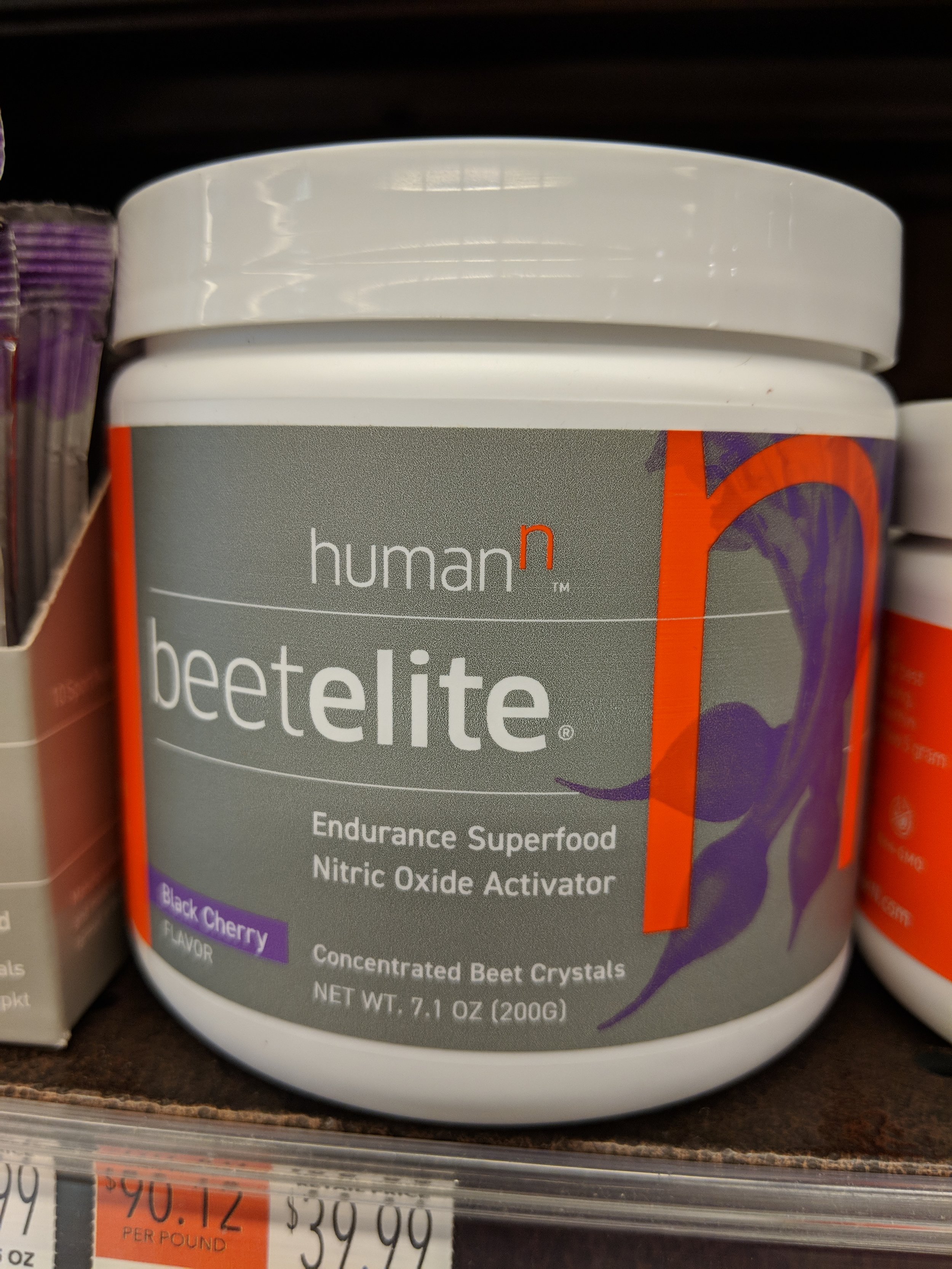
Where can you buy beets? Top choices for beets include your local farmer’s market, WholeFoods, and various other grocery stories but we often don’t have time to cook and need something on-the-go so there are numerous options for this too. From beet powders as seen below in the pic to packaged beets to juices, there is a product out there that you will like. If you don’t know if you would like these products, remember you can always buy a powder or juice that has beets and other greens that you prefer. Most versions of beet powders are available to purchase both in-store as well as on Amazon and other online retailers. If you are looking to mix up your preworkout drink, give beet powder a shot and see if you notice a significant improvement. Always look for products that have 100% beet powder and no added sugar to get the most benefit from beets.
How much and how many times should you consume beets is up to the individual. Caution must be taken if your body cannot process the oxalic acid that beets have because if your body cannot break it down, then it could result in kidney stones and other health problems.
Disclaimer: this is an opinion post and should not be taken as an endorsement or lack of for any product by me or my employer.
beet life..
-
Kombucha—to drink or not?
Kombucha aka mushroom tea is one of my favorite healthy drinks to drink and there are multiple reasons for this but what is Kombucha? Kombucha is fermented, sugary black or green tea made from bacteria and yeast. The sugar feeds the yeast and bacteria which form the SCOBY (symbiotic culture of bacteria and yeasts) layer or mushroom layer that you see on top of the kombucha—hence the mushroom tea nomenclature.
Most consumers take Kombucha for its perceived health benefits. Due to being made up of live bacteria and yeast, it can have a slight vinegar style taste hence you will find original versions along with versions that have cayenne pepper, turmeric, etc. to make it taste more palatable. Remember, fermentation results in alcohol production so always check for the low alcohol version and low sugar version as fresh kombucha has less than 0.5% alcohol.
Purchasing kombucha is easy enough as it can be found in stores around the country like Target, ShopRite, Whole Foods, Walmart etc. but also online via Amazon. My personal preference is the one with turmeric as then you get the benefits of turmeric as well as the kombucha. Of course, you can also make your own kombucha at home as there are multiple recipes online that you can try.
So why should you drink kombucha? If you don’t gravitate towards tea typically but do want some of the health benefits that come with tea, you might want to pick up a bottle of kombucha. If you are a fan of apple cider vinegar and its benefits than you might like this product too. The benefits of kombucha that are well known include healthy bacteria that can support your immune system and gut. Kombucha also has B vitamins that can help you give you a boost of energy and in turn also aid your cardio health. Also, some products claim that it can help maintain your liver health via detoxification due to its combo of tea and fermentation. Plus, we all know the benefits of drinking green tea in terms of weight management and weight loss so since it is likely brewed with green tea, you can reap some of the benefits of this as well. Of course, the aforementioned benefits totally depend on your lifestyle and body chemistry.
Caution must be taken while drinking kombucha because it is acidic and over-fermentation is possible. Depending on how it is stored, that alcohol content can be higher or lower so buyer beware. Read the label and make sure you are not consuming too much sugar in one serving. If you are new to Kombucha, build up a tolerance to it as it is acidic and has a vinegar like taste!
Disclaimer: this is an opinion post and should not be taken as an endorsement or lack of for any product by me or my employer.
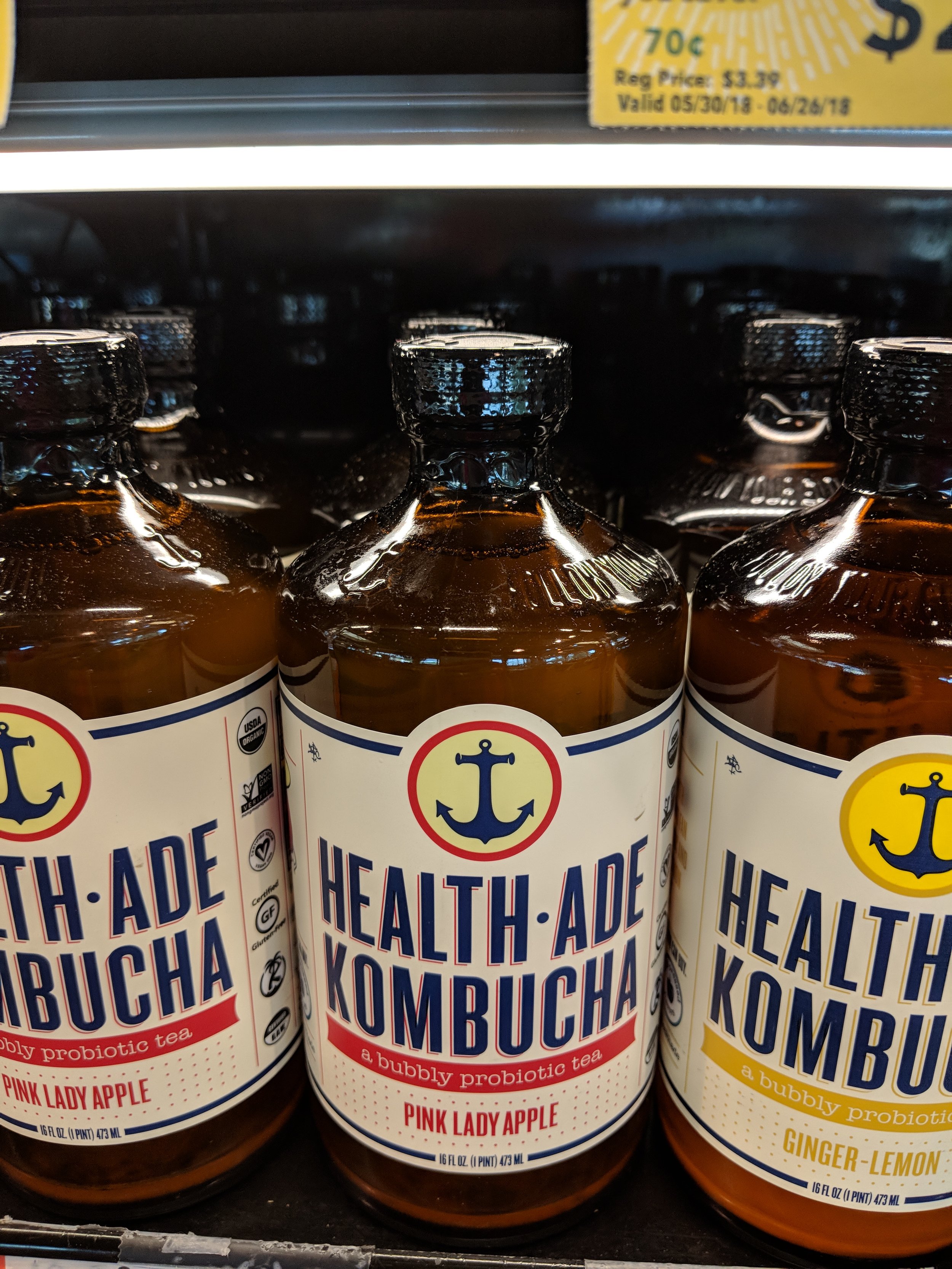
my favorite kombucha
-
Should I pay to eat Organic?
When buying produce, you happen to see a sign that says Organic and then you see the price which is usually a $0.50 to $1+ more than the non-organic version and you do one of two things. One is walk away and pick up the non-organic product since it hits your wallet less or you buy it because you want to reap the perceived health benefits of eating organic. Is either decision the best one for you? Let’s find out.
Organic implies that the food was processed to meet safe animal welfare, meet soil quality guidelines, and does not use synthetic chemicals and pesticides. Just by knowing this simplified definition, it might encourage to purchase organic products. Keep in mind the best benefits of eating organic come from leading a thorough organic lifestyle–you can’t pick and choose organic products and incorporate them into your diet and expect to see huge changes if everything else is not organic. Obviously, limitations of eating organic tend to be driven by price point as organic products are more expensive. Personally, I tend to buy organic veggies when I can because I would like the most beneficial nutrients from them but this I do in conjunction with my non-organic products. I do expect prices to come down for organic products in the future as demand increases (supply and demand economics, right?) but until that happens, I will dabble in this organic lifestyle.
How can you tell if something is organic? Look for labels that say USDA Organic or Certified Organic but be careful because you can now find labels that say Made With Organic Ingredients which does not mean the product is completely organic but rather has organic ingredients in it. In other words, these products tend to have at least 70% organic ingredients while the remainder are made without using prohibited practices (synthetic pesticides, GMO, etc.) and can have ingredients that would not be allowed in 100% organic products. Also, remember organic products must not be genetically modified but that does not mean all non-GMO products are organic. Other ways to tell is if an organic certification body such as QAI, NFC, NCO, etc. are mentioned on the label.
If you are satisfied with knowing that your product is coming from an organic farm and animal welfare is kept in mind and no synthetic chemicals are being used, then your next deciding factor as to why to eat organic is what can it do for me health-wise and where can i buy it? You can buy organic products at your local farmer’s market (best since you are helping the local farmer and your community) as well as most grocery stores today like Aldi’s, Whole Foods, Publix, Walmart, etc. as well as online markets like Brandless https://brandless.com/ and Thrive Market https://thrivemarket.com/. If you Google why to eat or organic or organic benefits, you’ll see many of what I’m discussing now but the main one that comes to mind for me is that I’m not ingesting as many chemicals in my food when I eat organic. Since the chemicals are not present, you are more likely getting the full amount of nutrients you need. Plus, not only are you supporting farmers and animals when eating organic, you are also helping our environment since organic ingredients and produce must adhere to strict guidelines.
Eating organic can hit your wallet so if you choose to dive in, remember the benefits above and you will be happy knowing that you are helping your body as well as your community/farmers!
Disclaimer: this is an opinion post and should not be taken as an endorsement or lack of for any product by me or my employer.
organic prominently displayed
-
Water, the one liquid you are not drinking enough
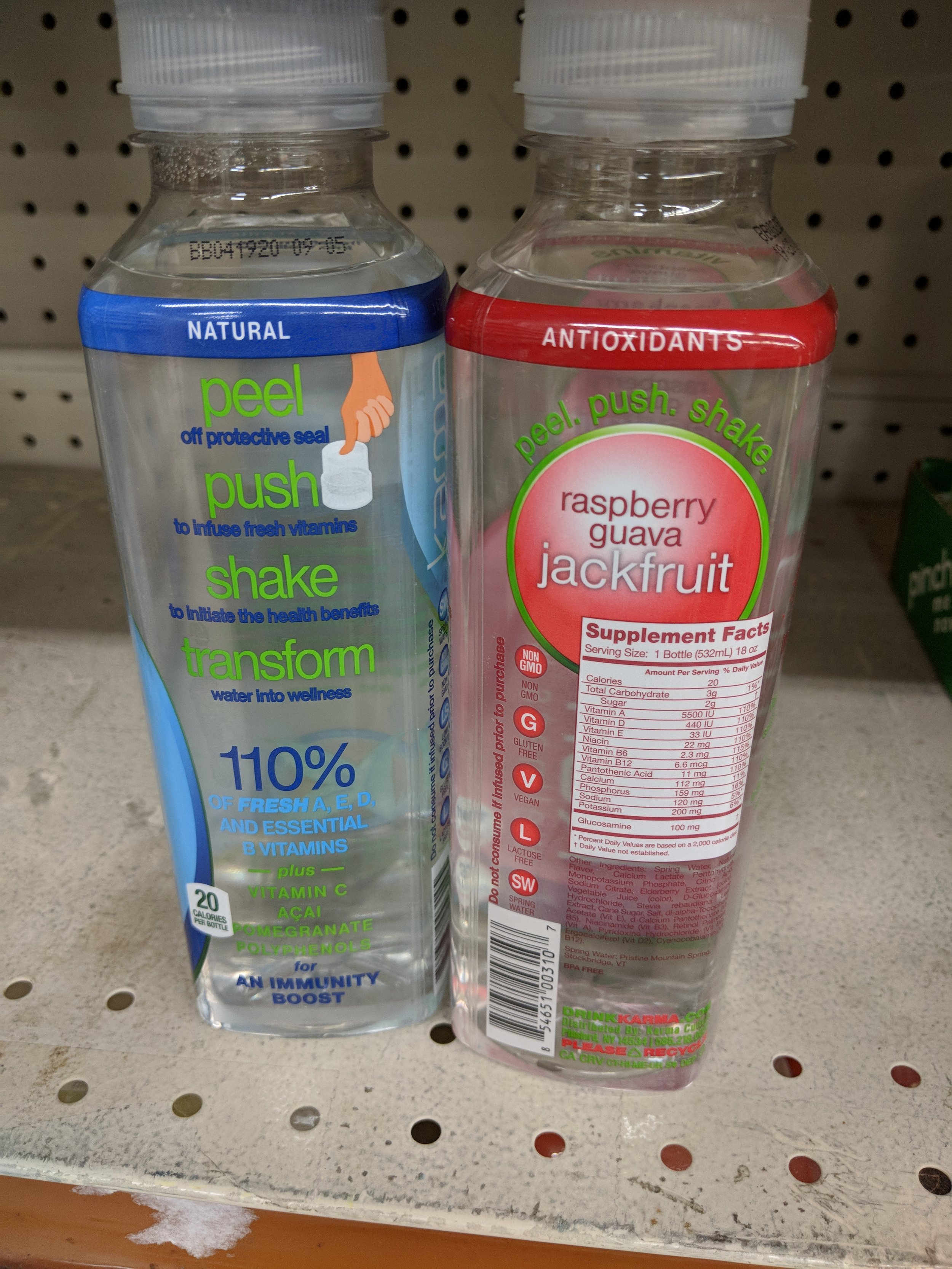
The obesity epidemic that is seen around the world is driven not only by the unhealthy food consumers are taking in but also by not taking in enough water. Often times we eat because we think we are hungry when in reality we are thirsty and if you are one of the lucky ones that can tell the difference between hunger and thirst, is water really your first beverage choice?
Water is so important for daily life and functioning. Knowing that the human body is composed of more than 60% water should be an eye opener for many but alas even this knowledge may not result in a change of behavior. Water is needed by your body to carry the nutrients throughout the body that you consume from food. Imagine how your car run would run without oil? Similarly, water is needed for your optimal health. How much water you consumer totally depends on how your lifestyle and how active you are. I have read research that shows anywhere from 8-15 cups a day is necessary for most individuals.
Today, consumers can find tons of products trying to get them to drink water from Vitamin Water to Bubly to Icelandic Water to Blk Water to Alkaline Water but you don’t have to spend a lot of money to get the benefits of water–tap water is available in most homes while sparkling, spring, and distilled water are readily available in most stores. These other previously mentioned waters could be treated as a nice treat but again watch out for sugar content and any alternative sweeteners they may have. Blk water (black water) is a new item that I’m seeing in natural stores like WholeFoods and even on Amazon and it is indeed black due to the fulvic acid and humic acid present from soil and sedimentation but I haven’t seen much research supporting that humans need these acids nor do we have long term studies on it. As far as waters from different parts of the world and their benefits, take it for it is and if you like it, I’m not one to stop you from drinking it. Alkaline water is another one that may have merits especially if you tend to have a lot of reflux because it helps balance your stomach pH (which is acidic), though water at a pH of 7 (neutral) should be able to do this too but everyone’s body chemistry is different so I’m sure it appeals to some consumers. Finally, Vitamin Water is a great way to get in your nutrients that you are lacking but if you must drink this look for the zero calorie version.
Some other benefits of drinking water include weight gain and loss. How is this possible? As mentioned earlier if you are trying to lose weight, water is your friend and it will help you curb your hunger. If you are trying to build muscle, water is your friend again as muscle require water to give you that swole look. Plus, when you workout, you are sweating and losing water from your muscles so to keep pushing through with more energy, drink some water. Also, since water is a transport medium to carry your nutrients, your kidneys need you to drink more water so that they can help detoxify your body which in turn will help you get clearer skin as well. Finally, one of the best remedies to fight an illness is to up your water intake as the more water in your body, the more likely you are able to eliminate those toxins.
It is really to slowly increase your water intake daily. If you like to cook, I’m sure you are using water to boil your veggies or make soups. If you want to drink more water but don’t like the lack of taste, you could also try a mix-ins like Crystal Light or Mio but eventually you want to stop adding these and just sip on the goodness of water!
Disclaimer: this is an opinion post and should not be taken as an endorsement or lack of for any product by me or my employer.
fortified water, do you need it?
-
Miracle pill for weight loss?
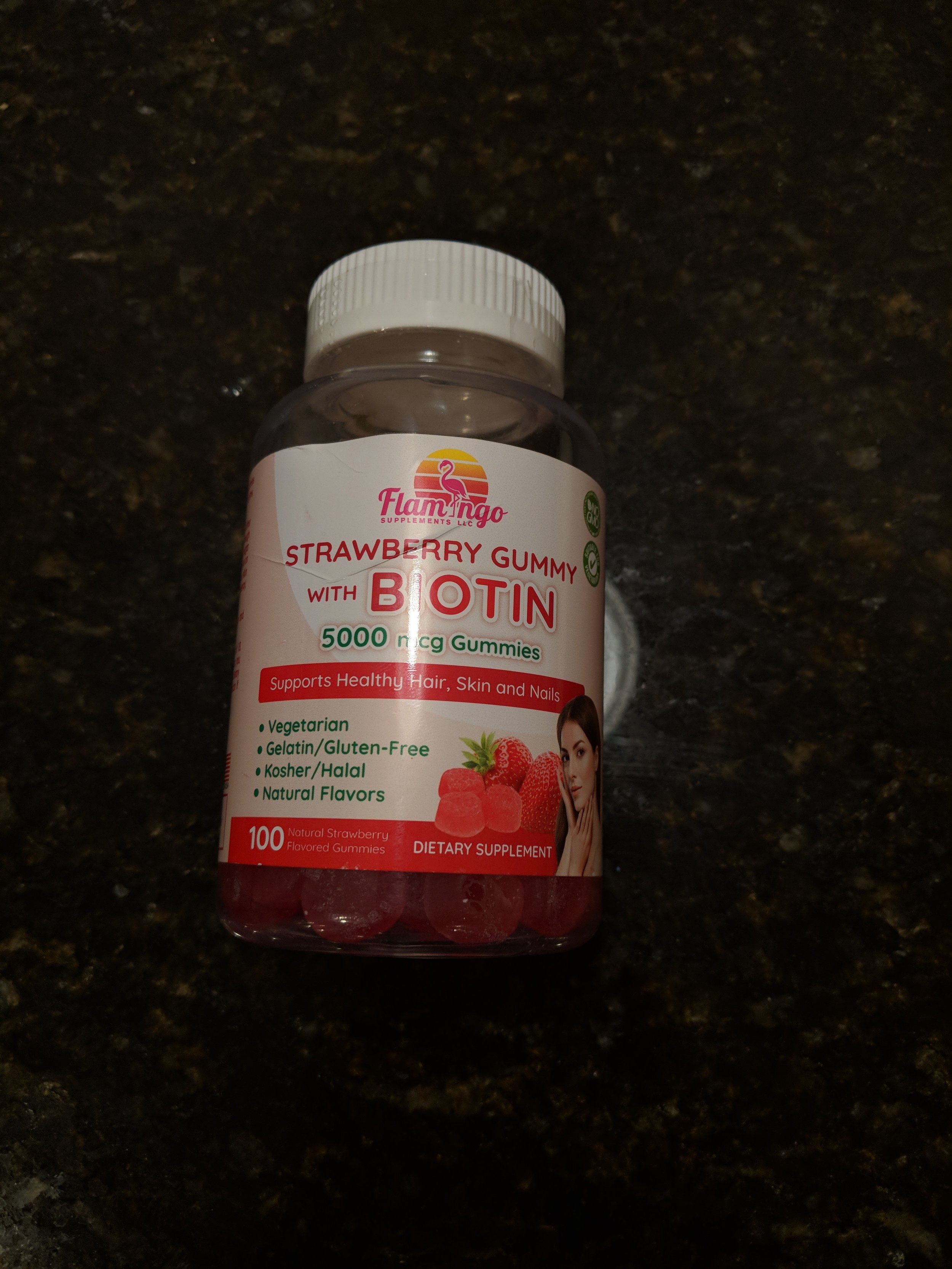
Have you seen the news lately and noticed that obesity is a growing problem? Everything that we eat is affecting how long we live and how we feel. Today, the movement towards plant-based products is increasing with even KFC considering a plant-based chicken!
People are slowly realizing that over consumption of any product can be bad for you so they need to make smart, healthy choices. Various tools exists today for the shopper, from reading blogs such as this one to buying weight loss foods and supplements but not all products are created equal. Not to mention that no weight loss program is complete without exercise. Remember, if you concentrate only on the food part during weight loss, then both body fat and muscle are lost, which is less than ideal as muscle helps burn fat! As long as you keep moving whether it is through cardio or weight training and are eating a healthy diet, you will achieve your goals of weight loss.
Let’s take a look at some of the supplements that can help you achieve this weight loss goal because many nutrients are forgotten about when people are dieting.
One common supplement that stands out is CLA or Conjugated Linoleic Acid. It is usually found in dairy and meats and many studies have shown that it may help with fat loss. Look for a CLA supplement that has 80% CLA as that will aid in weight loss. Combine this with other supplements like Vit A, C, or biotin and you will kickstart your fatty acid metabolism.
Try to get in your minerals as those tend to be depleted when fiber intakes are high as fiber can reduce absorption of minerals like iron, zinc, calcium, etc.
B vitamins are great for energy boosting and help your metabolism and both biotin and pantothenic acid have been used in weight loss studies.
Vitamins A, C, and E are all good to take too while dieting as your body is detoxifying since you are burning fat so these may help not only build your immune system but also help with giving you the antioxidants that you need to push through the diet plan. Remember, a weak immune system is not going to help you stay committed to the weight loss program.
Some other supplements you might have heard of include carnitine, CoQ10, spirulina, and garcinia cambogia. Each of these are viable to take too but no supplement by itself will be the miracle pill that you need to achieve the results you seek. There indeed is no substitute for a healthy diet and exercise!
Please note that supplements don’t work the same way in everyone as each individual’s body chemistry is different. If unsure about the side effects of a supplement, Google it or ask your doctor. I’ve also found, in my personal experience, that the staff at Whole Foods and GNC know a lot about the products they carry so definitely ask them too, otherwise you can always buy supplements at Walmart, Amazon, and your other favorite retailers. Remember, in the race to looking good, you don’t want to jeopardize your health.
Disclaimer: this is an opinion post and should not be taken as an endorsement or lack of for any product by me or my employer.
biotin..one need is for hair, skin, and nails
-
Plant-based eating: Beyond Meat
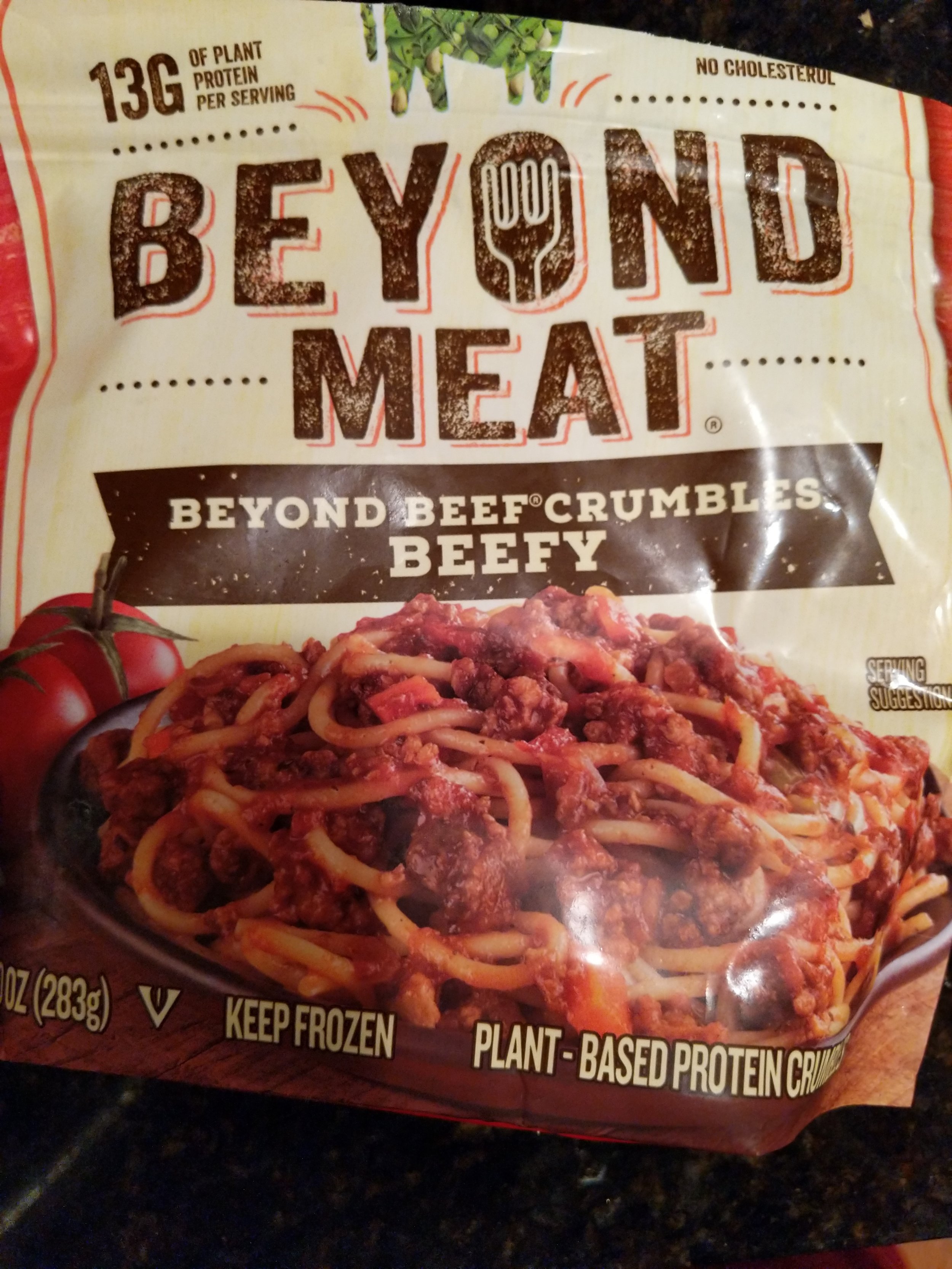
Growing up, I was a vegetarian for most of my youth but only transitioned to eating chicken once I started working out because I needed the protein. Today, being vegetarian is so much easier because the choices are immense no matter the restaurant that you go to. One of the leading causes of this growth in the industry is due to the plant-based eating.
As shoppers and families decide to be more health conscious and environmentally friendly, plant-based eating is a great way to get the nutrients one needs without sacrificing taste, for the most part. One of the companies leading this movement is Beyond Meat. Have you heard of them? If not, do check out their website http://beyondmeat.com/products/view/beyond-burger
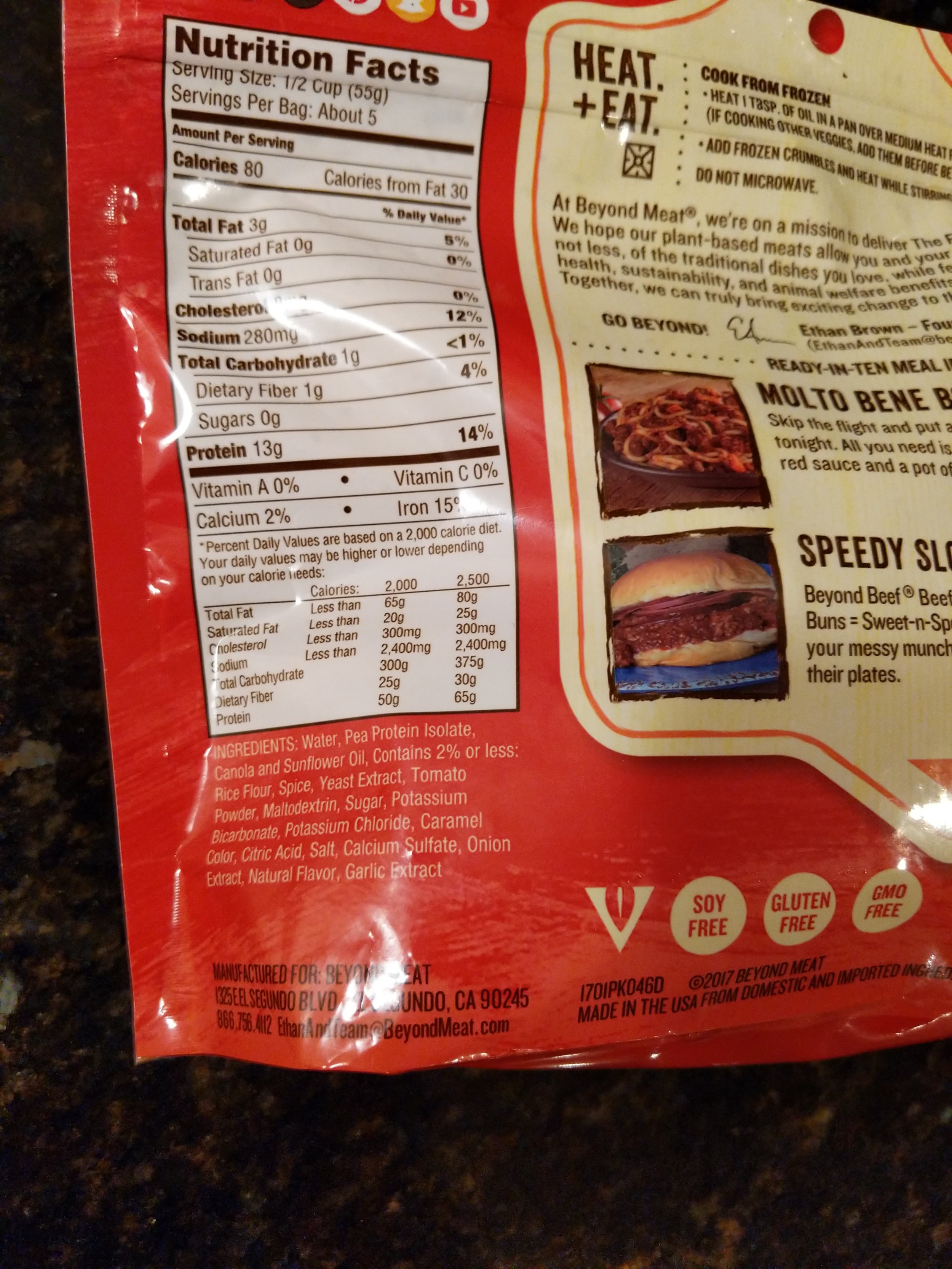
What makes Beyond Meat special? Well, their product line is immense. If you can eat meat and want a patty burger with at least 20g protein, they have one for you. If you like sausage or want a hot dog, they have a product that is totally plant-based for you. If you just want chicken strips or beef crumbles for your salad, they have a plant-based version for you. These are great options for vegans and vegetarians. Why is this important? Well, the company is environmentally friendly as animal welfare is important to them–we don’t want to diminish our animal resources just to fulfill our appetite right? Their products are made with pea protein (did you read my earlier post about why pea protein is good for you?) and/or soy protein. Plus, the products tend to be non-GMO and gluten free. Finally, these products are full of nutrients that you need like Vitamin A and Iron, for example, via the fortification process as when you follow a vegetarian or vegan lifestyle it is increasingly difficult to get the nutrients you need so you must get them via added nutrients (fortification) or supplements.
On a recent trip to Boulder, CO, I was able to stop by their WholeFoods and I was surprised by the hot bar station that served only Beyond Meat products. Clearly, the consumer knows what they want. Most consumers care most about the price point, quality, and taste so how do Beyond Meat products rate in these categories? Well, all the ones that I’ve tried are good tasting and satisfy my craving and my need to feel that I’m eating something healthy. Taste and quality are both awesome but to get these yes do you pay a little more but at least you have the option now to eat your favorite burger as a plant-based one.
Disclaimer: this is an opinion post and should not be taken as an endorsement or lack of for any product by me or my employer.
Beyond meat.. Beefy crumbles
Look at those macros and nutrients
-
Dairy protein alternative-Pea Protein
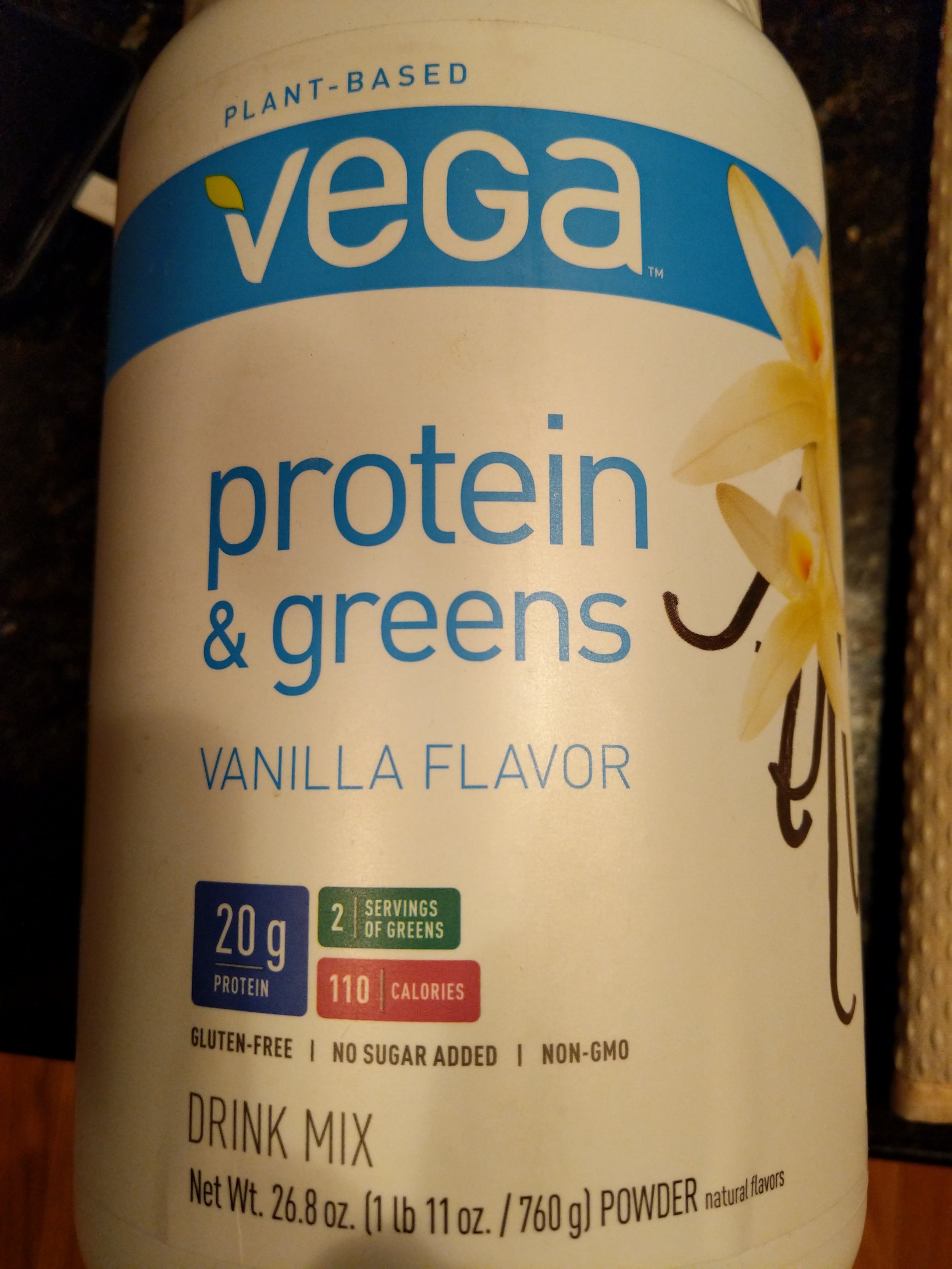
Are you doing one of the many diets that currently are popular? Having a hard time getting all your nutrients in? Often times, we turn to protein shakes to help us stay on track and of course the convenience factor is good too. However, in the earlier days protein shakes only consisted of whey protein but today there are so many options including pea protein.
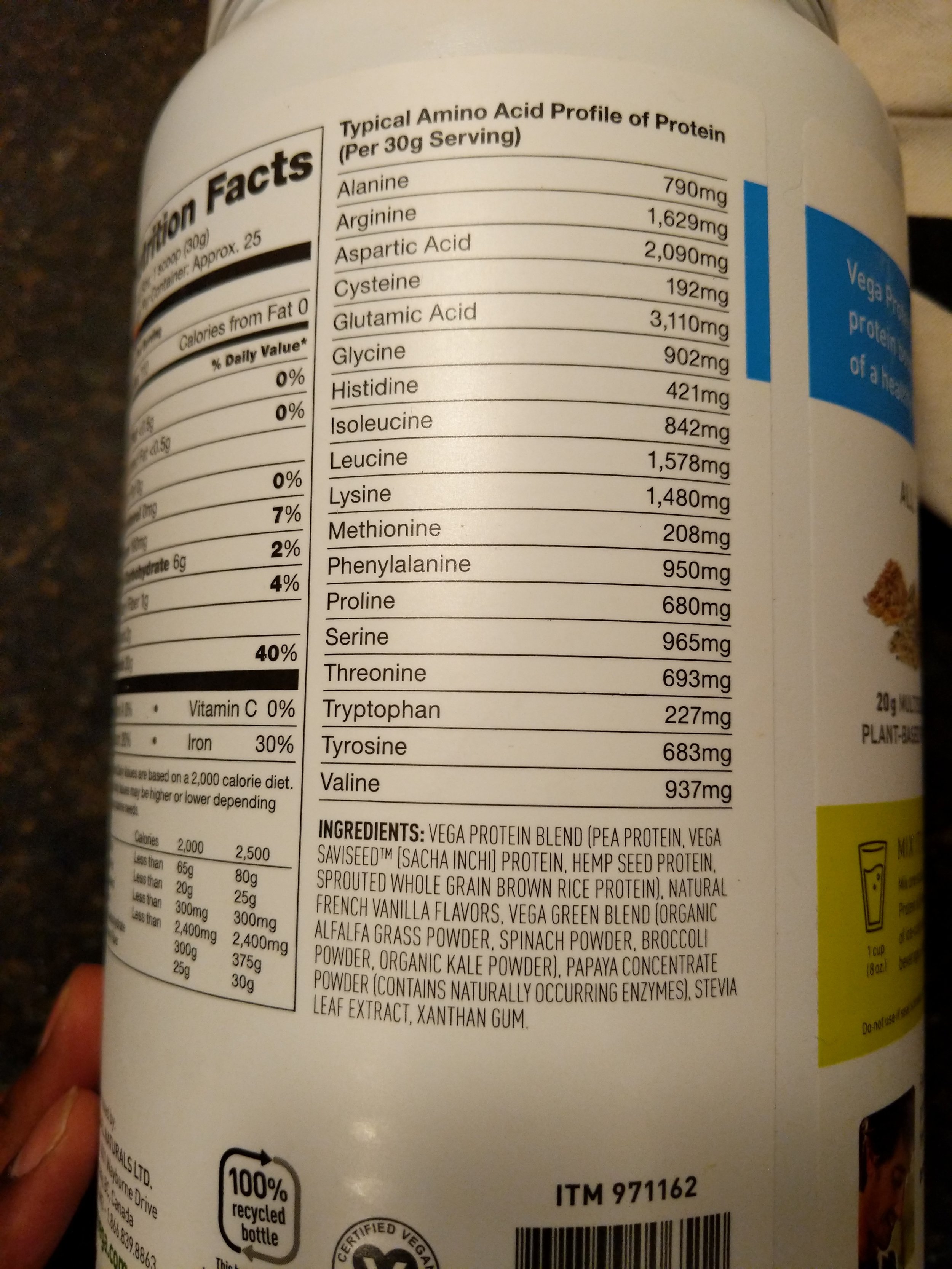
Pea protein has many benefits. The PDCAAS or protein digestibility corrected amino acid score for pea protein is 0.89 out of 1. The closer the value is to 1, the more complete of a protein it is in terms of amino acids that are available. Typically, pea protein is made from yellow (split) peas that milled into powder, purified by removing the carbs and leaving behind the protein that you will take. Pea protein has most of the essential amino acids except for methionine which means you need to either supplement with another protein that has it or with animal meat. The full list of 9 essential amino acids follows below and you can find out what each amino acid is good for on many available websites on Google.
Amino Acids: 9 Essential Ones
1. Histidine
2. Isoleucine
3. Leucine
4. Lysine
5. Methionine
6. Phenylalanine
7. Threonine
8. Tryptophan
9. Valine
So why should you take pea protein? It can help with satiety and may help with weight loss and as with other proteins, if you are full and your stomach doesn’t empty too fast then you will eat less so pea protein helps give you this full feeling. Plus, it may help you with hearth health and blood sugar regulation. Since it does have a good amino acid profile, it can be used post workout to aid with recovery and to increase muscle mass (thanks to the leucine content). Not to mention, if you are allergic to dairy or feel bloated after taking whey protein, taking this alternative will minimize those challenges.
Where do you find pea protein? Right now, as shopper you will see it in many sports nutrition products, cereals, energy bars, etc. as well as in the gluten free aisle. Of course, you can always buy it on Amazon and Walmart too. My favorite product to take is Vega’s Vanilla Protein and Greens. Check out the label as it is so healthy and it actually tastes great. Unlike whey protein that is limited in flavor choice, pea protein powder can be found in flavors such as chai too. Another reason I like pea protein is if you are doing the keto diet, plant proteins tend to have low carb amounts and provide a great way to get in your protein without overloading yourself with animal meats.
Disclaimer: this is an opinion post and should not be taken as an endorsement or lack of for any product by me or my employer.
Vega plant protein
Look at amino profile!
-
Save the date!
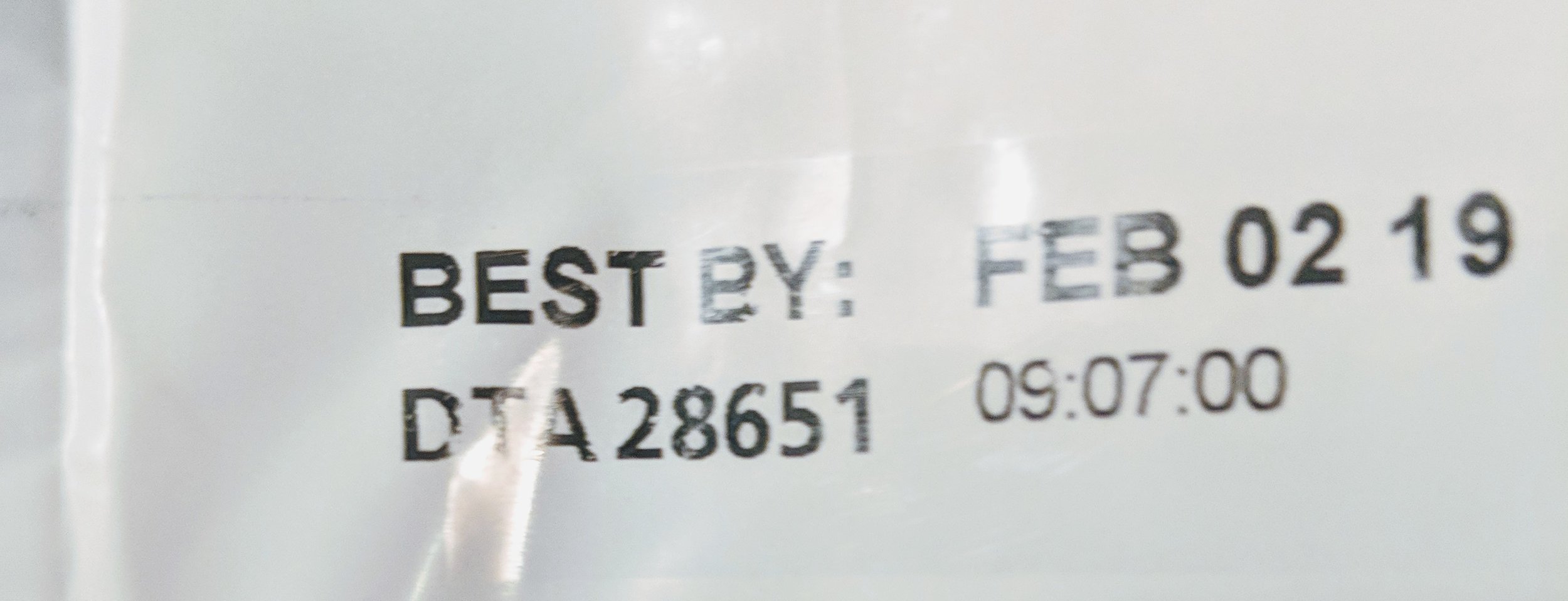
Food waste is such a problem today in the US for many reasons but one that we can control daily at home. How many times have you thrown milk out because it was past its use by date? Or threw produce in the trash because it was spoiled? What can be done to minimize this food waste? The answer is simple, understand why those dates exist on products.
Let’s start with Use By–this means that the product will retain its most nutritional value if used by this date. Of course, you can probably use some times after this date if it has been stored properly but again make a judgement call because you wouldn’t want to give a baby, for example, formula that is past this use by date since the nutritional value might be compromised.
Another one that you see is Best Before–means this product is fresh and best if consumed before this date. This does not mean that the product has gone bad after this date but rather that the freshness is not there. In other words, have you ever found an old snickers or kit kat at home and because it looked ok, you ate it? Well, you can eat it but it probably won’t be as good as one that is fresh and just bought.
Similar to best before date, Guaranteed Fresh is another date that you might see on bakery items which means that the product is going to taste great until this date though can be eaten after it too but it may not taste as good.
If you buy meat, you typically see a Sell By date on it. This means that the retailer has to get rid of that product before this date. It can be consumed after this date if stored properly. Also, if you buy meat and freeze it, then the dangers of eating it after the sell by date are further minimized.
Expiration date is often seen too and that means that this is the absolute last date you should consume this product and if you do eat it, you are eating it at your own risk.
Most date formats on products today use the Julian calendar. The first two digits represent the year and the remaining the day of the year. An example would be 18182 which means the product has a date of 2018 and the 182nd day of the year or July 1, 2018.
Also, fresh foods tend not to have dates since it all depends on how you store them and how quickly you use them. A good rule of thumb, if it smells bad or has fungi growing on it, it probably has gone bad.
Did you notice that even though all these dates are present on products, not one tells you when the food is actually going to spoil by? Hence, there is so much food waste today. However, some relief may be in sight because the USDA has asked food companies to use the label Best If Used By date to help minimize food waste. Let’s see if this will be implemented and do what it is supposed to.
Disclaimer: this is an opinion post and should not be taken as an endorsement or lack of for any product by me or my employer.
An example of best by date.
-
Subscribe
Subscribed
Have a WordPress.com account? Log in now.

