-
AI 101: AI Explained
Do you struggle with AI? Have parents, friends, and others who struggle with terminology and understanding what AI is good for?
The guide defines basics terms that are often mentioned in numerous online videos and definitely can be confusing to a new user.
Check out my guide, free to use, no data collected.
-
Which supplement should I take? #Supplement Explorer
Are you always on your phone looking at which supplements you should take? Do you look at reviews? How do you decide what to buy?
As someone who has been in the nutraceutical industry for over 10 years, I’ve worked with many suppliers and companies to understand why an ingredient is chosen, what research is behind it, and how to sell it to a consumer, so if you are looking for some answers to questions you may have, drop a comment, or even better check out the Supplement Explorer on the site. It is free to use, 3 questions, and a simple output. No info is stored.I made the Supplement Explorer purely for my use and then thought, well, if it is useful for me, maybe it is useful for others. The tool is not affiliated with any company or brand, but was just a way for me to showcase what I find useful. If you use it, do give me feedback as to what you’d like to see it on too.
Stay well and remember, before taking any supplements, check with your doctor if it is a good fit for you or not!
-
Good vs Bad Cholesterol
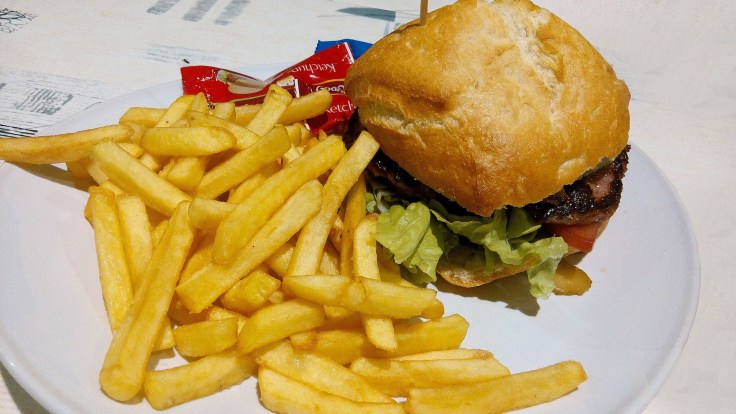
We all hear about LDLs and HDLs when you go to the doctor’s office for cholesterol check-up but what do they really mean? For someone trying to maintain a normal range for these, see my earlier post on apple cider vinegar, I honestly feel you can monitor your health a little better if you know what you’re dealing with.
Let’s define LDL and HDL first. LDL (Low-Density Lipoprotein) and HDL (High-Density Lipoprotein) are two lipoproteins that play an important role in our health, but they have different functions. LDL, also known as the “bad” cholesterol, is a type of lipoprotein that carries cholesterol from the liver to other parts of the body. It is called “bad” cholesterol because high levels of LDL in the blood can increase the risk of heart disease and stroke. When there is too much LDL in the bloodstream, it can start to build up on the walls of the arteries, forming plaque. Over time, this plaque can narrow the arteries and restrict the flow of blood and oxygen, leading to the development of cardiovascular disease. While HDL, the “good” cholesterol, is a type of lipoprotein that carries cholesterol from other parts of the body back to the liver. It is called “good” cholesterol because high levels of HDL in the blood are associated with a reduced risk of heart disease. HDL acts as a scavenger, removing excess cholesterol from the bloodstream and reducing the risk of plaque buildup in the arteries.
For someone like me, what’s the levels I should be trying to maintain? The ideal level of LDL in the bloodstream is less than 100 mg/dL, while the ideal level of HDL is 60 mg/dL or higher. However, it’s important to remember that these are just general guidelines and individual values may vary based on personal health factors.
Eating a diet high in saturated and trans fats, as well as cholesterol, can raise the levels of LDL in the bloodstream–french fries “bad” unless homemade. On the other hand, eating a diet high in fiber, fruits, and vegetables–avocados “good”– can help to increase the levels of HDL in the bloodstream. Regular physical activity, quitting smoking, and maintaining a healthy weight can also help to improve the levels of LDL and HDL in the blood.
If you are concerned about your levels of LDL and HDL, talk to your doctor for personalized advice and guidance.
Stay well!
-
The Wonderful Onion!
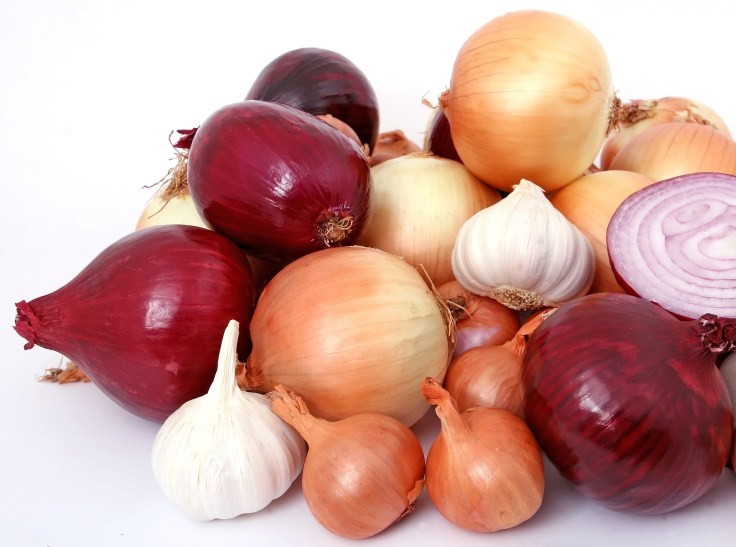
As I was watching Tiktok videos of how to stop tearing up when you cut an onion, it got me to think about onions and its benefits. Onions are a staple ingredient in many kitchens and are often used to add flavor and depth to dishes like in Indian food but do you know the benefits of eating an onion?
Firstly, onions are a great source of antioxidants. Antioxidants help to protect our cells from damage caused by free radicals, which are unstable molecules that can cause harm to our cells. Eating onions can help to neutralize these free radicals and reduce the risk of chronic diseases such as cancer, heart disease, and Alzheimer’s disease.
Additionally, onions are high in fiber, which is important for maintaining good gut health. Fiber helps to regulate digestion, prevent constipation, and promote a healthy gut microbiome. A healthy gut microbiome is essential for overall health, as it supports the immune system and helps to regulate mood and energy levels.
Also, listening to a morning radio show, I heard about how consuming onions is great for weight loss which makes sense because they are low in calories. They contain very few calories but are filling, which helps to reduce the overall caloric intake for the day.
Another benefit of eating onions is that they contain a number of important vitamins and minerals. Onions are a good source of vitamin C, which is important for supporting the immune system, and vitamin B6, which helps to maintain healthy skin and brain function. Onions also contain potassium, which helps to regulate blood pressure, and magnesium, which is important for maintaining healthy bones.
Finally, onions have been shown to have anti-inflammatory properties. Inflammation is a natural response of the body to injury or illness, but chronic inflammation can lead to a number of health problems, including arthritis, heart disease, and cancer. Eating onions can help to reduce inflammation in the body, which can improve overall health and reduce the risk of disease.
In conclusion, eating an onion provides numerous health benefits as long as you don’t have an allergy to them. So, the next time you’re cooking, be sure to add a few slices of onion to your dish for a boost of flavor and health.
Stay well!
-
Why does my stomach growl?

So today, during a meeting, my stomach started growling. No clue why but so embarrassing and of course I grabbed my stomach thinking that would calm it but oh well, I went on with my meeting. Funny thing, I had eaten like 30 minutes before so it shouldn’t be growling. So why did it?
So I looked up what is this growling sound. The growling sound is commonly referred to as “borborygmi,” which comes from the Greek word for “rumbling.” Well, that’s not a surprise, right?
So, why does our stomach growl? The growling sound is caused by the movement of gas and liquids through the intestines. Our intestines are lined with muscles that contract and relax to move food through the digestive system. When these muscles contract, they create the growling noise we hear.
Additionally, hunger can cause our stomachs to growl. The growling sound is actually your body’s way of telling you that it’s time to eat! As our stomachs empty and our bodies recognize that we need food, they start to secrete the hormone ghrelin, which stimulates hunger and causes the stomach to growl.
It’s important to note that the growling noise is not always a sign of hunger. Sometimes, the growling can be a result of indigestion or even anxiety. In these cases, it’s best to listen to your body and take appropriate action, such as eating a small snack or practicing relaxation techniques to reduce stress. Perhaps, even drinking water can subside the growling.
I guess growling in your stomach could also be butterflies when you see a potential mate, of course our bodies are unique and everyone responds differently. My advice, find what your body needs and address it–in my case, I drank water.
Stay well!
-
Pizza and healthy?

Does Friday roll around and it is pizza time? Or do you eat leftover pizza for breakfast? Why do we love pizza so much? Pizza has always been a staple food for many people, but the question of whether it’s healthy or not still persists.
On the one hand, pizza can be high in calories, sodium, and unhealthy fats. The typical toppings on a pizza, such as meat, cheese, and oil, can contribute to high levels of saturated fat and sodium in the diet. Not to mention, we don’t just eat one slice and if we do then we are eating one slice from Costco that is like two normal slices. Furthermore, the high calorie count of pizza can contribute to weight gain and increase the risk of obesity and other related health problems. So can it be made healthier?
It is possible to make pizza healthier by choosing healthier ingredients but can this truly make pizza an acceptable healthy alternative? For example, using whole grain crust, loading up on vegetables as toppings, and using low-fat cheese can greatly reduce the calorie, sodium, and fat content of a pizza. This type of pizza can be a good source of fiber, vitamins, and minerals, and can be part of a balanced diet. If you’re gluten free and dairy free, I highly recommend Daiya pizza, just so delicious!
In conclusion, pizza can be either healthy or unhealthy depending on how it’s made and what ingredients are used. To make sure you’re eating a healthy pizza, choose whole grain crust, load up on vegetables, and opt for low-fat cheese. By doing this, you can still enjoy the taste of pizza while taking care of your health–of course in moderation!
Stay well!
-
Got a sweet tooth?
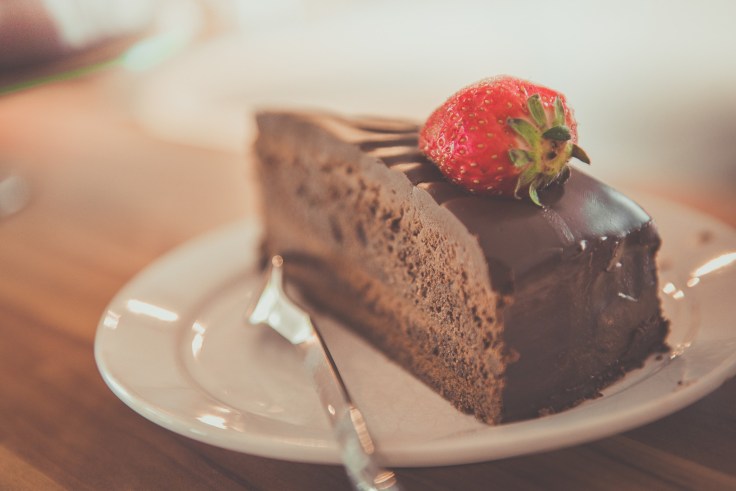
So I have a wicked sweet tooth especially when it comes to eating chocolate. I figured now is a good time to talk about it since it is almost Valentine’s day! Here are some reasons why you should indulge in a piece of chocolate every now and then.
- Chocolate is good for your heart. Dark chocolate contains antioxidants called flavonoids, which can help reduce the risk of heart disease. I prefer dark chocolate around 70% because higher than that is a bit bitter to me. Studies have shown that eating dark chocolate can help lower blood pressure and reduce the risk of stroke.
- Chocolate can boost your mood. Chocolate contains serotonin and phenylethylamine, two natural chemicals that can help improve your mood. Eating chocolate can also release endorphins, which are the body’s natural painkillers and mood elevators–that’s why dessert is my favorite meal!
- Chocolate is good for your brain. Dark chocolate is rich in cocoa flavanols, which can help improve cognitive function and protect your brain from age-related decline. Studies have shown that regular consumption of cocoa flavanols can help improve memory and reduce the risk of age-related cognitive decline. Similar to coffee, everything in limit has a benefit, I suppose.
- Chocolate can help you lose weight. Despite its high calorie content, chocolate can actually help you lose weight. Eating a small amount of chocolate before a meal can help you feel full, which can help you eat less. Dark chocolate is also a good source of fiber, which can help keep you feeling full for longer.
- Chocolate is versatile. Chocolate can be enjoyed in many different forms, from bars and truffles to hot cocoa and chocolate-covered fruits. Experiment with different types of chocolate to find your favorite. My favorite way to eat chocolate is fondue style!
In conclusion, eating chocolate can be a great treat for your taste buds and your health. So go ahead and treat yourself to a piece of chocolate today! Just remember to enjoy it in moderation, as chocolate is high in calories.
Stay well!
-
It’s cold outside!

This winter has been so bizarre in the Northeast (US). Yes, winter isn’t over and we could still get snow when the warmer temperatures subside but you know what? These days like yesterday and today when the temps are around -7F really makes me wish we didn’t have those huge 40 degree temperature swings as that only creates more chances to get sick.
Here are a few simple tips to help you stay warm and comfortable when the temperature drops.
- Dress in layers. The key to staying warm is to trap heat close to your body. By wearing multiple layers of clothing, you create an insulation barrier that keeps your body heat in. I like wearing my thick weather resistant jacket that is fleece lined or I wear thermals plus a nice puffy warm jacket.
- Cover your head, neck and hands. A large percentage of heat is lost through the head, neck and hands. Make sure to wear a beanie, scarf and gloves to keep these areas covered and protected from the cold. Choose materials that are warm and insulating, like wool or fleece, for maximum warmth. I recently also bought a cashmere beanie which surprisingly is warm and of course stylish.
- Use heating appliances. Heating appliances such as space heaters, electric blankets, and heated pads can provide extra warmth in your home and make a big difference in keeping you comfortable. Just be sure to use these appliances safely, following the manufacturer’s instructions, and never leave them unattended.
- Exercise. Physical activity increases your body temperature, so try to stay active even when it’s cold outside. Just get your steps in while inside the house, I don’t blame you if you don’t want to go outside for a walk.
- Stay hydrated. Drinking plenty of water is important in keeping your body warm. Dehydration can lower your body temperature, so make sure to drink plenty of water, even if you don’t feel thirsty. If you don’t like drinking water, I recommend a warm green tea.
In conclusion, staying warm during the winter months requires a combination of smart clothing choices and lifestyle adjustments. Don’t forget to get your vitamins in too to help fight any cold chances!
Stay well!
-
Do you like sleeping?

Does this sound like you? Staying awake late on Friday nights and getting up late on Saturday? Yup, that’s me for sure. I typically get up at the same time and go to bed around the same time every day except the weekends, why is that? Do I need to play catch up or do I just enjoy staying up since it’s the weekend? Something to ponder, eh?
The amount of sleep a person needs varies from person to person, but on average, most adults need about 7-9 hours of sleep per night to function at their best. I find the 7-9 hours ideal as too much or too little, I’ll be a zombie after. It’s important to listen to your body and determine what amount of sleep works best for you.
Sleep is one of the most important components of a healthy lifestyle. It plays a crucial role in maintaining physical and mental health, and helps us perform at our best. As we grow older, the amount of sleep we need changes, and it’s important to understand how this affects our overall well-being. Babies sleep 14-17 hours while teenagers sleep up to 12 hours so as we age, our needs change, and how we sleep is affected by many things, oh to be a carefree baby again!
It’s essential to listen to your body and understand what amount of sleep works best for you. If you find that you’re regularly waking up feeling tired or experiencing fatigue during the day, it may be a sign that you need more sleep. On the other hand, if you’re sleeping more than the recommended amount and still feeling tired, it’s possible that you have an underlying sleep disorder that needs to be addressed.
In conclusion, the amount of sleep we need changes as we grow older, and it’s essential to understand how these changes affect our overall well-being. By listening to your body and getting the recommended amount of sleep, you can ensure that you’re performing at your best and maintaining good health.
Stay well!
-
Do you like eating protein?

I don’t know about you, but eating protein is a chore for me. I really struggle and no matter all the meal plans that I try, I know that it’s not something that I enjoy. As a health enthusiast, you probably already know the importance of getting enough protein in your diet. Protein is essential for building and repairing muscle, maintaining strong bones, and supporting overall health–yup, and that’s why I try to eat it. But what do you do if you just don’t like the taste of protein-rich foods like chicken, fish, and tofu?
Don’t worry, there are plenty of creative and delicious ways to incorporate more protein into your diet, even if you don’t like traditional protein sources. Here are five tips to help you get started:
- Add protein-rich ingredients to smoothies. Smoothies are a great way to sneak in extra protein without even noticing it. Try adding ingredients like Greek yogurt, nut butter, chia seeds, or protein powder to your smoothie for a boost of protein. My favorite protein powder is the one by Vega Sport and Oikos Greek yogurt.
- Snack on protein-packed bites. Instead of reaching for sugary snacks, opt for protein-rich options like hard-boiled eggs, cheese sticks, or roasted almonds. These snacks are filling, tasty, and will help keep your energy levels steady throughout the day. I would also caution against loading up on too many nuts as they do have a lot of calories even though they are satiating. Hard-boiled eggs are an easy snack to take with you so the convenience factor appeals to me.
- Experiment with plant-based protein sources. If you don’t like meat, try incorporating more plant-based protein sources into your diet. Lentils, chickpeas, black beans, and quinoa are all great options that are high in protein and can be used in a variety of dishes. Chickpeas for the win!
- Use protein-rich ingredients as toppings. Add protein-rich toppings to your favorite dishes to increase their protein content. Try adding chopped nuts, cheese, or diced chicken to your salad, or top your pizza with tofu or tempeh.
- Make your own protein-packed treats. Making your own protein bars, balls, or bites is a fun and easy way to increase your protein intake. Simply mix together ingredients like nut butter, oats, protein powder, and dried fruit for a tasty, on-the-go snack. Easy to do if you like cooking and have the time!
Stay well!
-
Sometimes you got to try something new!

If you have been following along, you’ve probably read about my positivity jar or even meditation as a habit. Both of these posts got me to thinking about what I’m doing and how it is affecting me. Probably very important to reflect on otherwise why do the activity right?
Last year, I really enjoyed keeping up the positivity jar and though I don’t have a similar activity for this year, I realized that my new daily meditation habit actually is that habit. I’m 28 days into this practice and am learning new techniques on how to meditate and process your thoughts. Unwinding when stressed by meditating has really helped me this week as it was a busy and stressful week. I’ll likely utilize this practice throughout the year to center me. What I’m finding interesting is that just 5 mins a day can totally revamp your outlook with a focus on breathing to calm you. The hardest part so far for me was getting started and thinking would it work for me. I actually bought into meditation’s benefits probably 14 days in when I unknowingly realized that a change was occurring. The lesson for me in all this is that sometimes you got to try something new for awhile before you see the benefits!
Stay well!
-
Movie Time

What do the words “with great power comes great responsibility” or “nobody puts Baby in a corner” conjure for you? Some memories remind us of a time in our life with our loved ones or an experience that stays with us long after the movie is over. Movies have such a power to inspire us, uplift our mood or even educate us. To me movie watching is just as important to maintaining my disposition as exercising or eating right.
Recently, I watched the movies Plane and Missing in the cinema. Both are as diverse as can be, one was about how a captain protects his passengers when he’s forced to land in a dangerous area while the other is the search for a mother by her daughter. Both were thrilling and kept you at the edge of your seat. Plane had me thinking would our pilots do the same for us while Missing had me thinking is it really that easy to hack your way into an account. Not only were the movies entertaining but they got me to think. Plus, I left the movies in a good mood! Win, win!
We always search for outlets to release stress and to me movies provide me that plus as far as hobbies are concerned, it definitely is one that isn’t too pricey unless you buy the concessions!
Stay well!
-
Subscribe
Subscribed
Have a WordPress.com account? Log in now.

