-
AI 101: AI Explained
Do you struggle with AI? Have parents, friends, and others who struggle with terminology and understanding what AI is good for?
The guide defines basics terms that are often mentioned in numerous online videos and definitely can be confusing to a new user.
Check out my guide, free to use, no data collected.
-
Which supplement should I take? #Supplement Explorer
Are you always on your phone looking at which supplements you should take? Do you look at reviews? How do you decide what to buy?
As someone who has been in the nutraceutical industry for over 10 years, I’ve worked with many suppliers and companies to understand why an ingredient is chosen, what research is behind it, and how to sell it to a consumer, so if you are looking for some answers to questions you may have, drop a comment, or even better check out the Supplement Explorer on the site. It is free to use, 3 questions, and a simple output. No info is stored.I made the Supplement Explorer purely for my use and then thought, well, if it is useful for me, maybe it is useful for others. The tool is not affiliated with any company or brand, but was just a way for me to showcase what I find useful. If you use it, do give me feedback as to what you’d like to see it on too.
Stay well and remember, before taking any supplements, check with your doctor if it is a good fit for you or not!
-
Hair thinning?
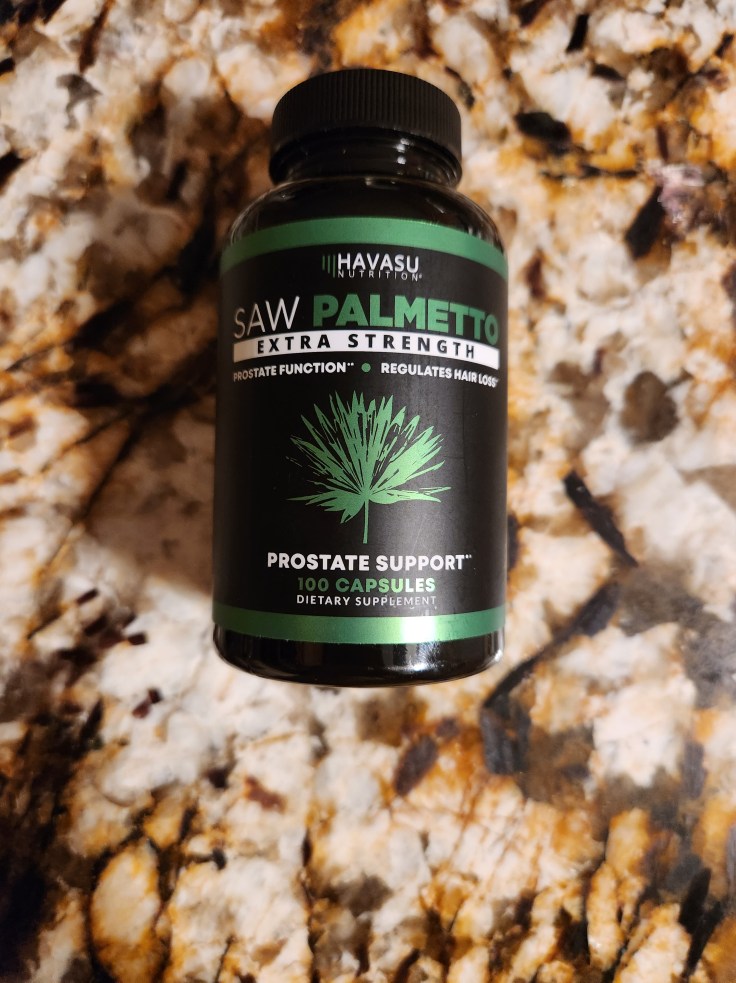
Are you seeing symptoms of hair thinning? Is rosemary oil the best solution or maybe Minoxidil is but what are some other alternatives? Saw palmetto is a small palm tree native to the southeastern United States. It is most commonly known for its use in treating symptoms of an enlarged prostate in men, but recent studies have also suggested that it may have potential benefits for hair health.
One study found that saw palmetto may inhibit the production of dihydrotestosterone (DHT), a hormone that is believed to contribute to hair loss. DHT can shrink hair follicles, making it harder for hair to grow. By inhibiting DHT production, saw palmetto may help to keep hair follicles healthy and promote hair growth.
Another study found that saw palmetto may also have anti-inflammatory properties, which can help to reduce scalp inflammation and prevent hair loss. Inflammation can damage hair follicles and make it difficult for hair to grow. By reducing inflammation, saw palmetto may help to protect hair follicles and promote hair growth.
It is worth mentioning that there are no FDA-approved hair growth treatment with Saw Palmetto, so there is not enough scientific evidence to support the use of saw palmetto for hair loss. However, saw palmetto is considered safe when used in recommended doses and may have potential benefits for hair health. As always, be sure to speak with a healthcare professional before starting any new supplement regimen.
In conclusion, saw palmetto may have potential benefits for hair health, but more research is needed to confirm its effectiveness. If you’re experiencing hair loss, it’s important to speak with your healthcare provider to determine the underlying cause and to discuss treatment options.
Stay well!
-
Do you meditate or should you?

Meditation has been around for centuries, but it’s becoming increasingly popular as more people discover the many benefits it offers. Even Google’s app of the year is Balance, a meditation app that is free for a year. I tried it and am enjoying it so far so give it a try. Why try it? From reducing stress and anxiety to improving focus and concentration, meditation can be a powerful tool for achieving optimal health and wellness.
First and foremost, meditation is an effective stress-reduction technique. I start my meditation first thing in the morning to start my day with calmness and no stress. Studies have shown that regular meditation can lower cortisol levels, the hormone responsible for stress and anxiety. This can lead to a host of benefits, including improved mood, better sleep, and a stronger immune system.
Does your mind wander?Meditation can also help to improve focus and concentration. By training your mind to be present and aware, meditation can help you to be more mindful and focused in your daily life. This can be especially beneficial for athletes and fitness enthusiasts, as it can help to improve performance and reduce the risk of injury.
Meditation can also have a positive impact on physical health. Research has shown that regular meditation can lower blood pressure, improve heart health, and even boost the immune system. This can be especially beneficial for people who are looking to improve their overall health and well-being.
In addition to the physical and mental benefits, meditation can also be a powerful tool for spiritual growth and personal development. By quieting the mind and connecting with the present moment, meditation can help you to tap into a deeper sense of purpose and meaning in life.
If you’re new to meditation, it can be helpful to start with a guided meditation or a mindfulness app like Balance. This can help you to get a feel for the practice and build up your focus and concentration over time. It’s also important to be patient and not get discouraged if you find it difficult to quiet your mind at first. Remember, meditation is a skill that takes time and practice to develop. I started with 3 mins and that was tough to not let your mind wander but the more you practice, the less that will happen.
In conclusion, meditation can be a powerful tool for holistic and fitness enthusiasts. From reducing stress and anxiety to improving focus and concentration, meditation can help you to achieve optimal health and wellness. So why not give it a try and see for yourself?
Stay well!
-
The rise of Mushrooms in the supplement industry
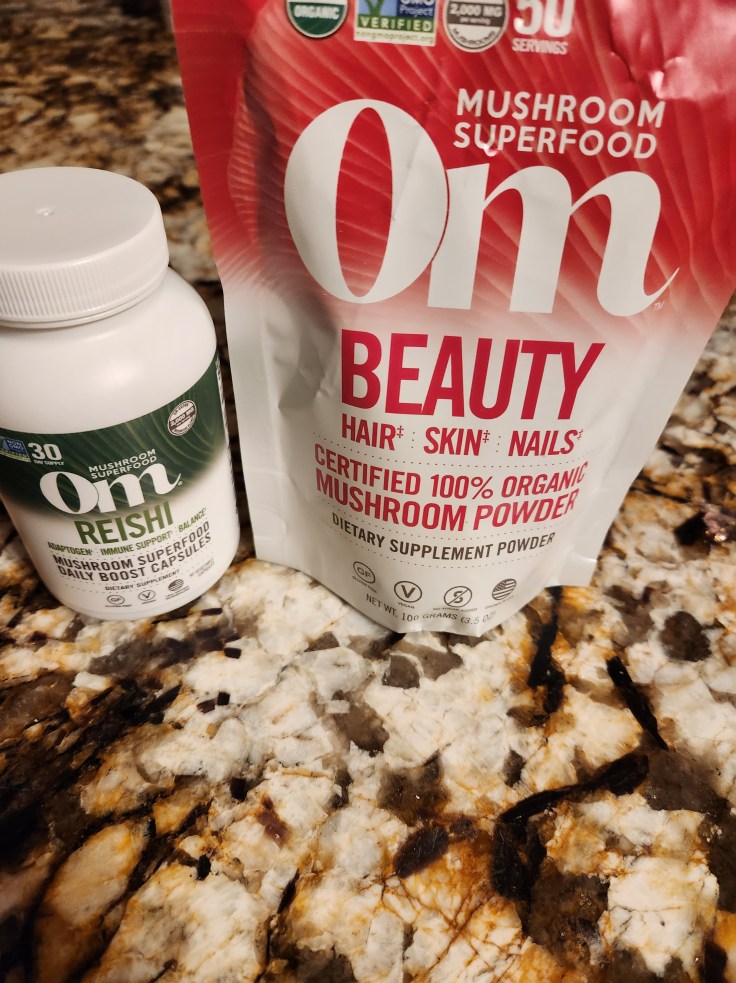
If you go into Whole foods or even Target, you’ll likely see some sort of mushroom product in the supplement section. Why the rise of mushroom supplements all of a sudden? Mushrooms have been used for centuries in traditional medicine for their healing properties–from immune health to hair and skin health–I really like the OM line of products. Today, research is uncovering even more benefits of these versatile fungi, making them a popular choice for holistic health and supplement enthusiasts.
One of the main benefits of mushrooms is their immune-boosting properties. Many species of mushrooms contain beta-glucans, which are complex sugars that stimulate the immune system. These beta-glucans can help to increase the production of white blood cells, which are responsible for fighting off infections and diseases. Plus, if you’re like me and don’t like to eat mushrooms and want their benefits, mushroom powder or supplements might be a good option.
Mushrooms are also a great source of antioxidants, which are essential for protecting the body against damage caused by free radicals. Free radicals are unstable molecules that can damage cells, leading to a variety of health problems. Antioxidants neutralize these free radicals, helping to protect the body against damage. Antioxidant and immune support for the win!
In addition to their immune-boosting and antioxidant properties, mushrooms have also been found to have anti-inflammatory effects. Inflammation is a natural response of the body to injury or infection, but chronic inflammation has been linked to a variety of health problems, including heart disease and autoimmune disorders. By reducing inflammation, mushrooms can possibly help to reduce the risk of these conditions.
For fitness enthusiasts, mushrooms are a great addition to a healthy diet as they are low in calories and have protein, especially good for vegetarians who struggle to eat enough protein. They are also a good source of B vitamins, which are essential for energy metabolism and muscle function. Furthermore, research studies have found that consuming mushrooms regularly may help to improve endurance, strength and muscle recovery.
One of the most popular mushrooms for health and supplement is the cordyceps mushroom. Cordyceps is known for its ability to increase energy, endurance, and stamina, making it a popular choice for athletes and fitness enthusiasts. It is also believed to have anti-aging properties and to help to improve cardiovascular and respiratory function.
Another popular mushroom for health and supplement is the lion’s mane mushroom. Lion’s mane is believed to have neuroprotective properties, and it’s been found to help improve cognitive function and memory.
In conclusion, mushrooms are a great addition to a holistic health and supplement regimen. They offer a wide range of health benefits, including immune-boosting, antioxidant, anti-inflammatory, and fitness benefits. Whether you’re looking to improve your overall health or boost your athletic performance, mushrooms are definitely worth adding to your diet.
Stay well!
-
The Ayurvedic Herb Gaining Popularity: Ashwagandha
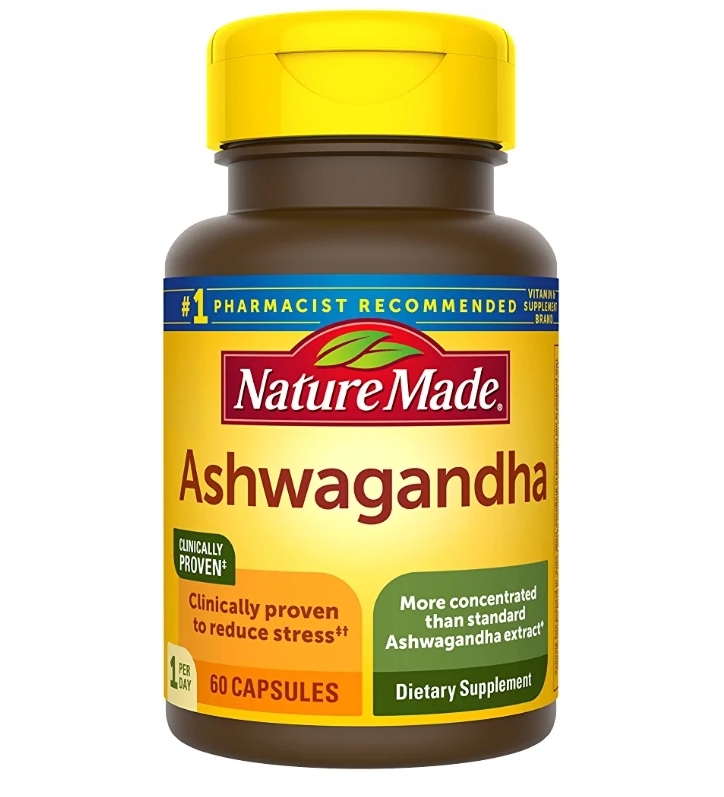
Ashwagandha is a popular herb used in Ayurvedic medicine for centuries. I remember it being part of my diet growing up as it’s in Indian food and tea so to see it in stores today for its many benefits is pretty great. Why take it? It is believed to have a wide range of health benefits, including reducing stress and anxiety, improving brain function, and boosting the immune system.
One of the key benefits of ashwagandha is its ability to reduce stress and anxiety. The herb is believed to act on the body’s stress response by decreasing the production of the stress hormone cortisol. In a study of 64 people with chronic stress, those who took ashwagandha for 60 days reported a significant reduction in anxiety and stress compared to those who took a placebo.
Ashwagandha is also believed to improve brain function. The herb has been found to increase the production of the neurotransmitter acetylcholine, which is involved in memory and learning. In a study of 50 adults, those who took ashwagandha for eight weeks had improved reaction times and task-switching abilities compared to those who took a placebo.
In addition to reducing stress and anxiety and improving brain function, ashwagandha is also believed to boost the immune system. The herb is thought to increase the production of white blood cells, which help to fight off infections. In a study of 30 healthy adults, those who took ashwagandha for two months had an increase in white blood cell count compared to those who took a placebo.
Ashwagandha is available in various forms like capsules, powder, gummies, and teas. It is also used as an ingredient in many Ayurvedic supplements and products. It is generally considered safe to take, but it may interact with certain medications and may not be appropriate for everyone.
In conclusion, Ashwagandha is a powerful Ayurvedic herb that has been used for centuries to promote overall well-being. Its ability to reduce stress and anxiety, improve brain function and boost the immune system make it a valuable addition to any health and fitness routine. As always, consult with a healthcare professional before starting any new supplement regimen.
Stay well!
-
Palatants: what attracts your dog or cat to their food?

As pet owners, we all know the struggle of trying to get our furry friends to eat their food. Whether they’re picky eaters or just don’t seem interested in their meals, getting them to eat can be a frustrating task. Before I worked in the pet food industry, I had no clue what attracted my dog to his food. So imagine my surprise when I realized that the solution to this problem could be as simple as adding a palatant to their food?
Palatants are substances that are added to pet food to make it more appealing to animals. They can come in many forms, such as liquids, powders, or pastes, and can be made from natural ingredients like meat and fish, or synthetic ingredients like flavors and aromas. On the ingredients label, you won’t see anything specifically saying palatant but if it’s there, it’ll be under flavors or other ingredients as it’s not a main ingredient. Also, a side note, ingredients are listed from highest percentage to lowest on a label, no matter if a human or pet product, typically.
Palatants work by triggering the animal’s sense of smell and taste, making the food more appealing and attractive to them. This can be especially helpful for pets who are picky eaters, older pets who may have a decreased sense of smell and taste, or pets recovering from illness or surgery. In other words, enhancing a chicken flavor might encourage more food consumption, for example.
Palatants can also be beneficial for pets who are on a special diet or have certain health conditions. For example, a palatant that is high in protein can be added to a diet for a pet recovering from surgery, while a palatant that is low in fat can be added to a diet for a pet that is overweight. After my dog had surgery and couldn’t eat high protein, the best way for me to get him to eat his food was by adding a little topper from Wellness to his prescription meal which created that extra protein and aroma desire. As a pet owner, you take care of your pet like they’re your baby so had to find a way to get my dog to eat and this worked.
Just like the ingredients on a human product, review the ingredients on a pet food package and consult with your vet if you’re not sure if it’s appropriate for your pet.
In conclusion, palatants can be a great tool for getting your pet to eat their food and can also be beneficial for pets with special dietary needs. They can be a simple and easy solution to the problem of picky eaters and can help ensure that your pet is getting the proper nutrition they need. So next time your pet turns up their nose at their food, consider adding a palatant to make meal time more enjoyable for both you and your furry friend.
Stay well!
-
Apple Cider Vinegar: Is it for you?

Apple cider vinegar is a type of vinegar made from apples. It is typically made by crushing apples, then squeezing out the juice, then fermenting it so that the sugars in the juice are converted to alcohol. This is then further fermented to acetic acid, which gives apple cider vinegar its sour taste. You can even find versions of apple cider vinegar with honey added so it is more palatable.
One of the most popular uses of apple cider vinegar is as a natural remedy for a variety of ailments. Some people believe it can help with weight loss, lower blood sugar levels, and improve heart health–all reasons that I’m using it daily. However, more research is needed to confirm these claims. To me, holistic strategies always take time to get research to support what they are good for, don’t you agree?
So why use apple cider vinegar?
Weight loss: Some studies have shown that consuming apple cider vinegar may help with weight loss. It is thought that the acetic acid in the vinegar may interfere with the digestion of carbohydrates, which can lead to a feeling of fullness and a reduction in calorie intake. I definitely feel less hungry but haven’t seen incredible amounts of weight loss so maybe it’ll take some more time.
Lower blood sugar levels: Some research suggests that consuming apple cider vinegar before a high-carb meal may help lower blood sugar levels. However, more studies are needed to confirm this effect.
Improved heart health: Some early research suggests that apple cider vinegar may have beneficial effects on heart health, such as reducing bad cholesterol and blood pressure. However, more research is needed to confirm these effects. I tend to have slightly higher than normal cholesterol so hopefully in 3 months, the numbers come down but we’ll see.
Here are some tips on how I started using apple cider vinegar:
- Start small: Consume one to two tablespoons of apple cider vinegar per day.
- Dilute it: Always dilute apple cider vinegar with water or juice before consuming to avoid damaging your tooth enamel.
- Drink it before a meal: Drinking apple cider vinegar before a meal may help to lower blood sugar levels and improve fullness.
In conclusion, apple cider vinegar is a natural remedy with a long history of use. Although more research is needed to confirm its potential health benefits, many people find it to be a helpful addition to their daily routine.
Stay well!
-
Job Searching: is there a right way?

Having grown my career slowly and steadily, I have some tips on how to make your next move. Strategies today and strategies from yesterday are not that different but how we implement them is what makes the difference. If you’re a new graduate, check out the ebook on Amazon, Making the last hoop!
One of the most important things to go after is a job that you like going to! Sometimes our circumstances prevent us from moving and finding that ideal job and we end up looking for satisfaction in our jobs but if you’re able to look elsewhere, what stops you from finding something you really want to do? That’s an important question to ask yourself. We often look for more money as driver but does more money actually make you happy if you don’t like what you do? For me, each job change was driven by a need to learn more and live in a different place while taking on that opportunity. Sometimes the gamble paid off, other times not so much but that’s how you find the good fit!
How did I find a job that I liked? Well, was my health good, did I have a lot of job stress, did I have free time and work-life balance? Depending on the answer to these questions, I would either move on or stay put. Everyone’s journey is slightly different so check out the book and see which tips might apply to you!
Stay well!
-
Overthinking

Lying awake at night and thinking about what next or having deep thoughts about life, sound like you? I tend to do this a lot and it’s not because I’m stressed (or at least I hope not) but because my brain needs to constantly create new ideas and looks forward to this thought process. It’s a habit that I’ve had since I was a kid. I tend to overthink even the simplest of things but sometimes this trait is a good thing too.
Depending on the situation, overthinking could be good. Working in the scientific world, a good scientist looks at all possibilities and then using data makes a conclusion. Utilizing the scientific method, in essence, requires you to think and overthink your actions. This is a positive! On the other hand, thinking during the middle of the night about a project or a financial or family challenge probably isn’t a good thing unless at 3a you tend to get genius ideas that you actually note down. This is a con at times! So what can you do about it?
Meditation is one of the best ways to limit this overthinking. It takes practice and is not easy but it really helps when done. Exercise and sleep are both important during the day and can stabilize cortisol levels. And if you must, there are supplements like melatonin and ashwangha that can possibly aid with calming and sleep (ask your doctor about any supplement before you take it!) . Overthinking has no solution but there are ways to limit it and capitalize on it as needed.
Stay well!
-
Daily habit
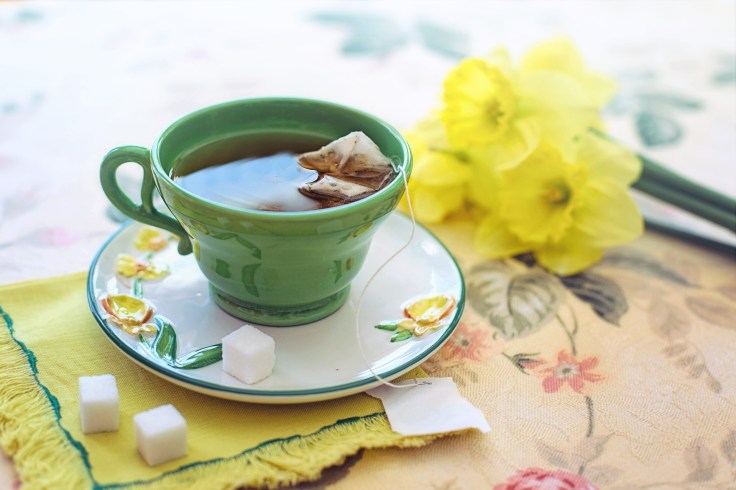
What is that one thing you must do everyday and has become a daily habit for you? Is it something you do as soon as you wake up or perhaps right before bed? Maybe, you don’t even know it’s a habit until you don’t do it and it throws you off that day? I have many such habits but the best one for me is having green tea before bedtime.. Of course it’s decaffeinated so I can sleep.
Green tea has many possible benefits from helping with cholesterol management to weight loss to stabilizing your blood sugar, these are just some of the reasons people drink it but why do I drink it? I drink it for the warm comfort it provides right before bed. It also helps me digest my dinner. Plus, I just feel good after drinking it. Sometimes a habit is created just because it feels good, the added bonus, it comes with other benefits too!
Stay well!
-
Eating When Hungry

Considering it’s the new year and people are returning to the gym and making resolutions, one thing we forget when we start a health and fitness journey is to focus on eating not only healthy items but when to eat. For most the struggle is to eat healthier but for me, the struggle is to eat and when to eat.
Nutrient timing is so important and there are so many articles on Google that you can pull up and even apps like RP Diet help you with this but how good is an app with that when you’re busy working or not feeling like eating. Carb cycling is another way people manage their diet but just like nutrient timing, it takes a lot of planning and requires you to eat even if you’re not hungry so is there a solution? I haven’t found a solution but I did learn to listen to my body. I eat when I need to and don’t when I don’t want to. Mind you, I’m not starving, it’s just that I have now learned, from over the years, what my body needs for that day’s activities. Tracking via My Fitness Pal also helps me stay focused so that’s a good tool that I like as well. I’d rather eat when needed then force myself to eat or eat mindless calories as well. I totally get that the benefit of nutrient timing is that people can avoid an insulin spike and avoid overconsumption of calories at any one meal but sticking to that regimented approach is tough and not for everyone.
The health and fitness journey truly is a lifestyle change not a trend or fad to follow–this took me a long time to realize!
Stay well!
-
Subscribe
Subscribed
Have a WordPress.com account? Log in now.

