-
AI 101: AI Explained
Do you struggle with AI? Have parents, friends, and others who struggle with terminology and understanding what AI is good for?
The guide defines basics terms that are often mentioned in numerous online videos and definitely can be confusing to a new user.
Check out my guide, free to use, no data collected.
-
Which supplement should I take? #Supplement Explorer
Are you always on your phone looking at which supplements you should take? Do you look at reviews? How do you decide what to buy?
As someone who has been in the nutraceutical industry for over 10 years, I’ve worked with many suppliers and companies to understand why an ingredient is chosen, what research is behind it, and how to sell it to a consumer, so if you are looking for some answers to questions you may have, drop a comment, or even better check out the Supplement Explorer on the site. It is free to use, 3 questions, and a simple output. No info is stored.I made the Supplement Explorer purely for my use and then thought, well, if it is useful for me, maybe it is useful for others. The tool is not affiliated with any company or brand, but was just a way for me to showcase what I find useful. If you use it, do give me feedback as to what you’d like to see it on too.
Stay well and remember, before taking any supplements, check with your doctor if it is a good fit for you or not!
-
Thank you!

I wanted to write and say Thank You to my readers and followers!
Thanks for supporting me and reading along!
Creating a blog and growing it sure takes time so I appreciate the support!
Please follow if you don’t already!
If you would like to read about something in particular, just leave me a comment!
Stay well!
-
Broccoli: things to know
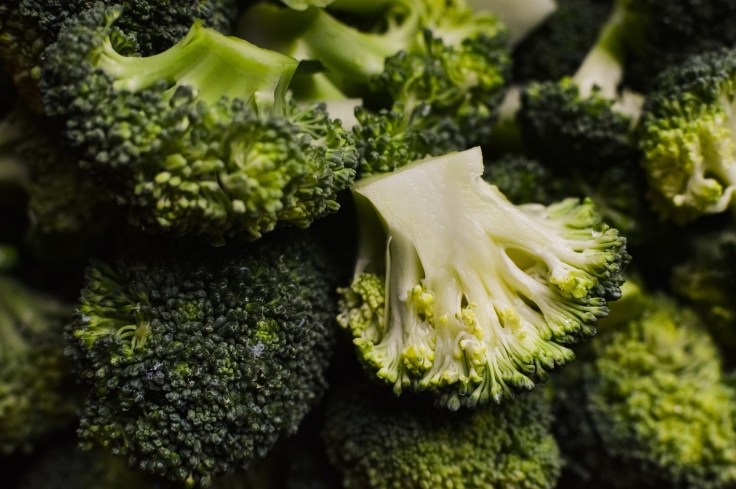
I love to eat broccoli, how about you? Whether it is in a casserole or salad or even raw, it really is a vegetable that I enjoy eating but how do you tell if it fresh when you go to buy it? Here are some tips on what to look for so you can make the healthiest meal you can.
- Look for vibrant green color: Fresh broccoli should be a vibrant green color, with no yellowing or browning. The stalks should be firm and not limp or rubbery. Avoid broccoli with spots or bruises, as this is a sign of decay.
- Check the florets: The florets should be tightly packed and not wilting. If the florets have started to separate or become yellow, the broccoli is not as fresh as it could be. Also, inspect the florets because bugs are likely stuck in there if any exists.
- Smell it: Fresh broccoli should have a mild, slightly sweet smell. If it has a strong, unpleasant odor, it’s a sign that it’s past its prime. The smell test is a good reliable test that I find works well.
- Check the cut ends: If the cut ends of the broccoli stem are dry or discolored, it’s a sign that the broccoli has been sitting around for a while. Look for broccoli with fresh, moist cut ends.
- Consider the season: Broccoli is typically in season from October through April, so if you’re buying broccoli outside of this time frame, it may not be as fresh as it could be.
Stay well!
-
Probiotics for a stomach ache?
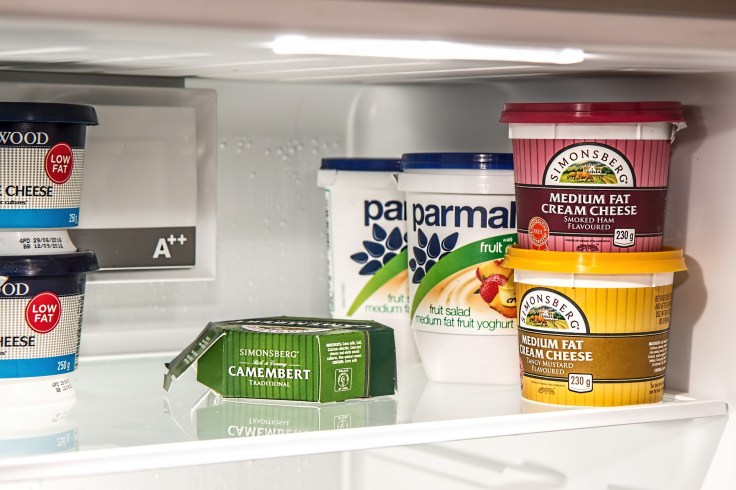
As I continue to recover from whatever it is that’s causing my stomach to ache, using my scientific knowledge, I decided to revisit the benefit of probiotics for my gut health. Should I take a supplement for it? Will it help?
If you’re like me, when your stomach is upset, it can be hard to concentrate on anything else. The discomfort, bloating, and pain can make it difficult to eat or even function normally. Luckily, probiotics may help to alleviate some of these symptoms.
Probiotics are live bacteria that can be found naturally in some foods or supplements–you probably see it most in yogurts that you purchase. They are beneficial to our gut health, as they help to balance the good and bad bacteria in our digestive system. By doing so, probiotics can help to promote better digestion and prevent stomach ailments.
In addition to IBS (irritable bowel syndrome), probiotics may also help with other types of stomach aches, such as those caused by antibiotics. When you take antibiotics, they kill off both good and bad bacteria in your gut, which can lead to an imbalance and cause stomach discomfort. Taking probiotics during or after a course of antibiotics can help to replenish the good bacteria and restore balance to your gut.
Probiotics may also help to boost the immune system, which can be beneficial for overall gut health. A healthy gut is essential for a strong immune system, as about 70% of our immune cells are located in our gut. By promoting the growth of good bacteria, probiotics may help to strengthen our immune defenses and prevent infections and illnesses.
If you are experiencing stomach aches or discomfort, it’s important to talk to your doctor to determine the cause and best course of treatment. In some cases, probiotics may be a helpful addition to your treatment plan. However, not all probiotics are created equal, so it’s important to choose a high-quality supplement or consume probiotic-rich foods like yogurt, kefir, or sauerkraut. With the right probiotic regimen, you may be able to soothe your stomach and improve your gut health in no time.
Stay well!
-
Snow shoveling as an exercise

We are getting our first winter snowstorm and basically what that means to many of us is that it’s time to shovel or plow the snow. Snow shoveling is a tedious chore but I remind myself that it’s actually good exercise, which helps me get through it. Here are some reasons why it is so good:
- It’s a Full-Body Workout
Snow shoveling is a full-body workout that engages your arms, shoulders, back, core, and legs. The act of lifting and throwing snow requires you to use your upper body muscles, while the twisting and turning of your body to reach different areas engage your core muscles. Additionally, pushing and walking through the snow requires you to use your leg muscles, making it a complete full-body workout. You’ll definitely feel it the next day, I promise!
- It Burns Calories
Since snow shoveling involves full-body movements, it is a great way to burn calories. On average, a person can burn around 300-400 calories per hour of shoveling. This is equivalent to the amount of calories burned during a moderate-intensity workout such as cycling or swimming. No gym needed today as every muscle will be working!
- It Improves Cardiovascular Health
Snow shoveling is a cardiovascular exercise that can improve heart health. When you shovel snow, your heart rate increases, and you breathe faster and deeper, which improves blood circulation and oxygenation to your body. This, in turn, can improve cardiovascular health and reduce the risk of heart disease. If you’re huffin and puffin, take a break, drink water, and go slower!
- It Builds Strength and Endurance
Snow shoveling requires strength and endurance, especially when dealing with heavy or wet snow. Over time, regular snow shoveling can build strength and endurance in your muscles, making it easier to perform daily tasks and reducing the risk of injury.
- It’s a Mood Booster
Physical activity, such as snow shoveling, can release endorphins, which are hormones that make you feel good. This can boost your mood, reduce stress, and improve overall mental health. Remember my earlier endorphins post, here’s another way to increase them!
As much as snow shoveling is a chore just remember you’re also getting your workout for the day. All about perspective!
Stay well!
-
Water–what does it do for you?
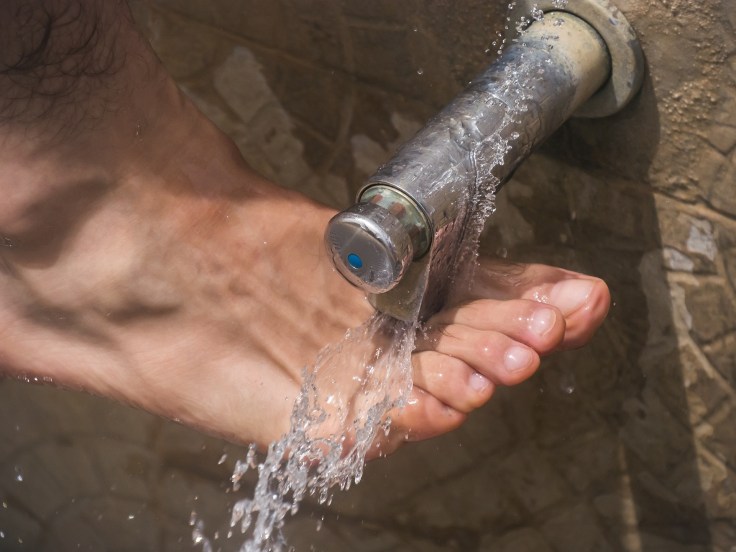
Do you like to drink water or struggle with it? For me, it all depends on my mood that day. But have you ever wondered exactly how much of the human body is made up of water? Let’s find out.
The human body is composed of various elements, including oxygen, carbon, and hydrogen. However, water is by far the most abundant substance, accounting for approximately 60% of the human body’s total weight–whoa! This percentage can vary slightly depending on factors such as age, sex, and body composition. For example, males tend to have a higher water content than females, as do individuals with more muscle mass. Plus, if you take creatine while working out, you’re likely to retain even more water.
So why is water such a critical component of the human body? There are several reasons. First, water plays a crucial role in maintaining the body’s temperature. Through a process known as thermoregulation, the body uses water to help regulate its temperature and prevent overheating or cooling down too quickly.
Water also serves as a lubricant in the body, helping to protect joints and other tissues from damage. It helps to cushion and protect vital organs, such as the brain and spinal cord, and is an essential component of mucus and other bodily fluids that help to keep tissues moist.
Another critical function of water in the body is to aid in digestion and nutrient absorption. Water helps to break down food and carry nutrients to cells throughout the body. It also helps to remove waste products from the body through processes such as urination and sweating.
In addition to its essential physiological functions, water is also vital for overall health and wellbeing. Dehydration, or not having enough water in the body, can lead to a range of symptoms, including fatigue, dizziness, and confusion. In severe cases, dehydration can even be life-threatening.
To maintain optimal hydration levels, it’s recommended that individuals drink at least 8 glasses of water per day, or approximately 2 liters. However, individual needs may vary depending on factors such as activity level, climate, and overall health status. It’s also important to note that other beverages, such as tea, coffee, and juice, can contribute to overall hydration levels.
Stay well!
-
Quick exercises

Moving at a desk job is so tough. I know because I deal with it. I bought a stepper to help with that but what if you don’t have equipment? Here are some exercises that you can do in just 5 minutes:
- Squats Squats are a great exercise that works your glutes, quads, and hamstrings. Simply stand with your feet shoulder-width apart, and lower your body until your thighs are parallel to the ground. Then, stand back up and repeat for 5 minutes. This will be a burn because squats for 5 minutes is a lot so go slow.
- Push-ups Push-ups are a classic exercise that works your chest, triceps, and shoulders. To perform a push-up, start in a plank position with your hands shoulder-width apart. Lower your body until your chest almost touches the ground, then push back up and repeat for 5 minutes. If you have spare dumbbells near by then use those to elevate your pushups and planks (below).
- Jumping jacks Jumping jacks are a fun and effective exercise that gets your heart rate up and works your whole body. Simply jump and spread your legs while raising your arms overhead, then jump back to the starting position and repeat for 5 minutes.
- Lunges Lunges work your glutes, quads, and hamstrings. To perform a lunge, step forward with one leg and lower your body until your knee almost touches the ground. Then, push back up and repeat with the other leg for 5 minutes. Need a challenge, try reverse lunges or lunges with light dumbbells.
- Plank Planks are a great exercise that works your core, back, and shoulders. Simply get into a push-up position, but instead of lowering your body, hold it in a straight line from your head to your heels. Hold for 30 seconds, then rest for 10 seconds and repeat for 5 minutes.
Stay active and keep moving. As Apple watch users say, try to close your rings or meet your goals for the day!
Stay well!
-
Endorphins

Being President’s Day in the US, I was watching a feel good movie, Legally Blonde. Classic, right? There is a dialogue in their about endorphins and it got me to thinking about how exercise and endorphins are related and bam! A blog post was born!
So what are endorphins?Endorphins are a group of naturally occurring chemicals in the body that are responsible for providing pain relief, reducing stress and anxiety, and promoting a sense of well-being. They are often referred to as the body’s natural painkillers and are released by the brain in response to various stimuli such as exercise, laughter, and even eating certain foods.
One of the most well-known ways to stimulate the release of endorphins is through exercise–see Legally Blonde had it right! When we engage in physical activity, our bodies produce endorphins to help reduce pain and fatigue and improve our mood. This is why exercise is often referred to as a natural antidepressant and stress reliever.
In addition to exercise, other activities that can stimulate the release of endorphins include laughter, listening to music, spending time with loved ones, and even eating spicy foods. The release of endorphins is often accompanied by a feeling of happiness and relaxation, which can be very beneficial for our overall health and well-being.
Research has shown that the release of endorphins can also have positive effects on the immune system and can even help to reduce inflammation in the body. Endorphins have also been found to have a positive impact on mental health, with studies showing that they can help to reduce symptoms of depression and anxiety.
So the next time you’re feeling down or stressed, try doing something that makes you feel good, and let your body’s natural endorphins work their magic. Stay happy!
Stay well!
-
Why do we do mindless eating?
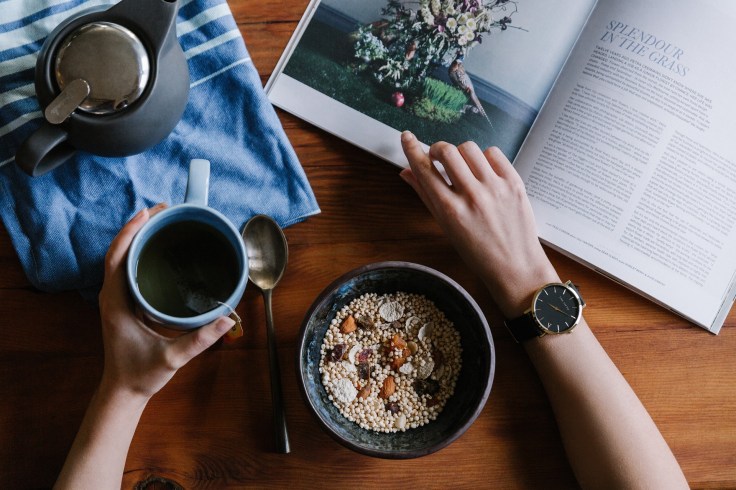
Do you just eat whatever you want, whenever you want without paying attention to why you’re doing it? Well, that’s mindless eating. Mindless eating can lead to overeating, weight gain, and a host of other health problems, so why do we do it?
Lately, with my food poisoning, I’ve been consuming food whether I’m hungry or not so that’s not good and I’m very self aware about it but I still do it– out of boredom. When we are bored, we often turn to food as a source of entertainment or comfort. Similarly, stress and emotional turmoil can also trigger mindless eating. In these situations, food becomes a coping mechanism that distracts us from our problems.
Another factor that contributes to mindless eating is the abundance of food in our environment. We are constantly bombarded with advertisements for fast food, snacks, and sugary drinks. Food is readily available and accessible, and we often eat simply because it is there. Isn’t it odd that food is accessible so we eat it, yet many places in the US have food deserts and folks don’t have enough to eat?
Finally, our busy lives and hectic schedules can also contribute to mindless eating. When we are rushing from one activity to another, we may not take the time to sit down and enjoy a meal. Instead, we grab something on the go and eat while driving, walking, or working. Everyone is guilty of this but that’s our culture pushing us to keep taking on more. All of the above is going to lead to health issues.
It can lead to overeating and weight gain. When we eat mindlessly, we often consume more calories than we need, which can lead to a host of health problems, including obesity, type 2 diabetes, and heart disease. Mindless eating can also disrupt our digestion and nutrient absorption. When we eat too quickly or while distracted, we may not chew our food properly or give our bodies enough time to register that we are full. This can lead to digestive issues, such as bloating, gas, and constipation.
Finally, mindless eating can also have a negative impact on our mental health. When we use food as a coping mechanism for stress or boredom, we may develop an unhealthy relationship with food. This can lead to feelings of guilt, shame, and anxiety around eating.
In conclusion, mindless eating is a common problem in our fast-paced society. It can have negative consequences for our health and well-being, including weight gain, digestive issues, and an unhealthy relationship with food. However, by prioritizing eating and not rushing through it, practicing mindfulness, and tuning into our body’s signals, we can learn to eat more mindfully and enjoy our food in a healthy way.
Stay well!
-
Comfort food

So I’ve been a bit under the weather due to food poisoning so that got me to thinking and of course writing about it. When you’re feeling under the weather, one of the best ways to make yourself feel better is to indulge in some comforting food. Whether it’s a bowl of hot soup, a warm cup of tea, or your favorite childhood snack, comfort foods can provide a sense of familiarity and warmth that can help to soothe both your body and mind.
Here are some of the best comfort foods to enjoy when you’re feeling sick:
- Chicken Noodle Soup
Chicken soup is a classic comfort food that has been enjoyed for generations. Plus, who doesn’t like noodles in their soup. It’s also a great choice when you’re feeling under the weather because it’s easy to digest, and the warm broth can help to soothe a sore throat. Plus, the chicken and vegetables in the soup provide important nutrients to help you recover.
- Toast with Butter and Honey
When you’re feeling queasy like I do right now, you may not feel like eating a full meal, but a slice of toast with a little butter and honey can be just the thing to help settle your stomach. The carbohydrates in the bread provide quick energy, while the honey can help to soothe a sore throat. Sometimes I substitute the honey with Nutella because Nutella is always comforting.
- Mac and Cheese
There’s nothing quite as comforting as a bowl of mac and cheese. My favorite because it’s so simple and easy to make too especially when you’re sick. This classic dish is rich and cheesy, and it’s sure to make you feel warm and cozy inside. Plus, the carbohydrates in the pasta can provide a quick energy boost, which can be especially helpful if you’re feeling weak or fatigued.
- Ginger Tea or Masala Chai
Ginger has long been used as a natural remedy for nausea, so if you’re feeling queasy, a cup of ginger tea can be just the thing to help settle your stomach. To make ginger tea, simply steep some fresh ginger in hot water for a few minutes, then add a little honey and lemon to taste. I also enjoy masala chai because it is so soothing to me and the masalas open up your sinuses.
- Popsicles or Jello
If you’re dealing with a sore throat, popsicles can be a great way to soothe the pain. The cold temperature can help to numb your throat, while the sweet flavor can provide a little pick-me-up when you’re feeling down. Jello is also another comfort item for me because the prep is so easy and it’s cold because you can refrigerate.
In conclusion, when you’re feeling sick, it’s important to take care of yourself and listen to your body’s needs. While there’s no cure for the common cold, enjoying some comfort foods can help to make you feel a little better and provide a little bit of comfort when you need it most. So, grab your favorite comfort food, curl up on the couch with Netflix, and let yourself rest and recover.
Stay well!
-
The smelly garlic

My last post was about stinky onions that provide so many health benefits that we take for granted so it only makes sense we move on to talk about the smelly garlic and its benefits. I mean garlic in cooking adds flavor but if you eat too much can your pores seep the smell? Yup, I’ve seen it happen to a coworker and yet he kepts eating it so I began to ponder why does he like garlic so much?
Garlic offers a range of health benefits that make it a must-have ingredient in your diet. Benefits include:
- Supports the immune system: Garlic is rich in antioxidants and anti-inflammatory compounds, which makes it a great ingredient to help boost your immune system. It has been shown to help fight off colds and other infections, and it may even reduce your risk of getting sick in the first place. I know some people swear by garlic as the holy grail to fighting colds but it hasn’t worked for me yet.
- Lowers cholesterol levels: Garlic has been shown to help lower cholesterol levels, which can help reduce your risk of heart disease and stroke. The compounds in garlic are believed to help reduce the production of bad cholesterol in the liver and improve the overall cholesterol profile. Hmm, better than apple cider vinegar, I’m not sure but at least cooking with it makes it easier to use daily.
- Reduces blood pressure: Garlic has been shown to help lower blood pressure, which is another important factor in reducing your risk of heart disease and stroke. The compounds in garlic are believed to help relax blood vessels, which improves blood flow and reduces the pressure on your heart.
- Promotes heart health: Garlic is a great ingredient for promoting heart health, as it helps lower cholesterol levels, reduces blood pressure, and improves overall blood flow. These factors, combined with the antioxidants and anti-inflammatory compounds in garlic, can help reduce your risk of heart disease and stroke.
- Supports digestive health: Garlic is a great ingredient to include in your diet if you are looking to improve your digestive health. It is believed to help improve gut bacteria and reduce inflammation, which can help improve overall gut health and reduce your risk of digestive issues like IBS or Crohn’s disease.
In conclusion, garlic is a versatile and delicious ingredient that offers a range of health benefits. Let’s add some garlic to our meals to reap these benefits!
Stay well!
-
Subscribe
Subscribed
Have a WordPress.com account? Log in now.

