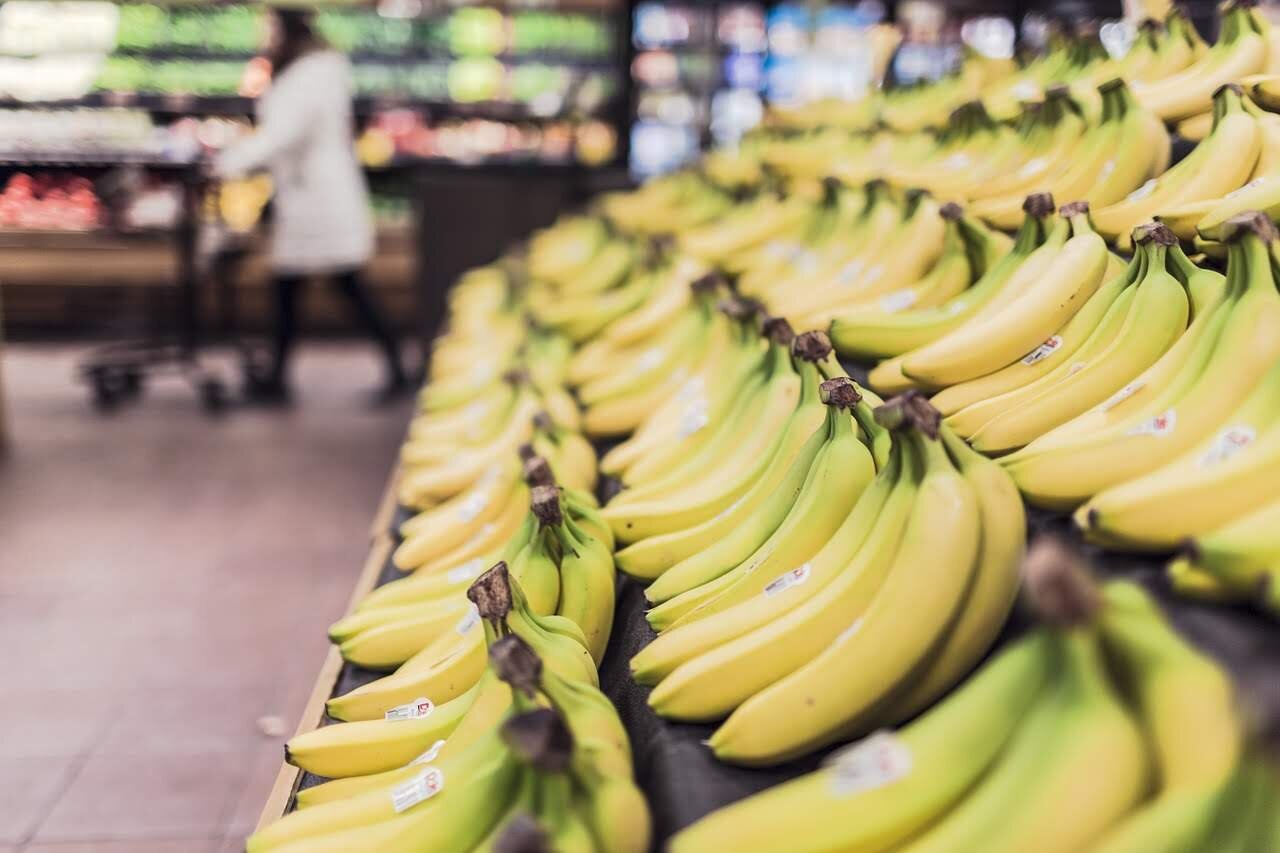
Unlike sodium, which we know we get enough of in our diet, do we get enough potassium? What if you don’t like bananas? What do you do? Luckily, you can now find percentage potassium on the nutrition facts label of a packaged food, so that will help you see how much you are getting in a day.
First, do you know why you should have potassium in your diet? It can possibly help with blood pressure issues, muscle loss issues, and even counteract against negative sodium effects. For many of these reasons, potassium-rich diets are often recommended for cardio and bone health. How much potassium should you be consuming? A simple Google search shows that about 4700 mg a day is recommended but I’m sure the average person is not getting that much unless you are eating some of the below mentioned foods.
Potassium can be found in many leafy greens like spinach as well as in avocados, tomatoes, potatoes (including sweet potatoes), and beans. A popular fall staple is acorn squash which is loaded with potassium and antioxidants so pick one up next time you are the grocery store. Remember, eating whole foods is the way to go but what if you don’t have time to cook and eat? You can always try to get in potassium via coconut water or pomegranate juice but check that it doesn’t have added sugar as you’ll reap the benefit of potassium and negate it with the sugar in it.
When eating processed foods, it’s important to remember that any sort of processing (microwaving for example) tends to destroy nutrients including potassium so food sources with high potassium must be sought out. Is potassium missing in your diet? Check with your doctor or nutritionist and find out how you can add it in.
Stay well!
 amitunfiltered.com
Leave a comment