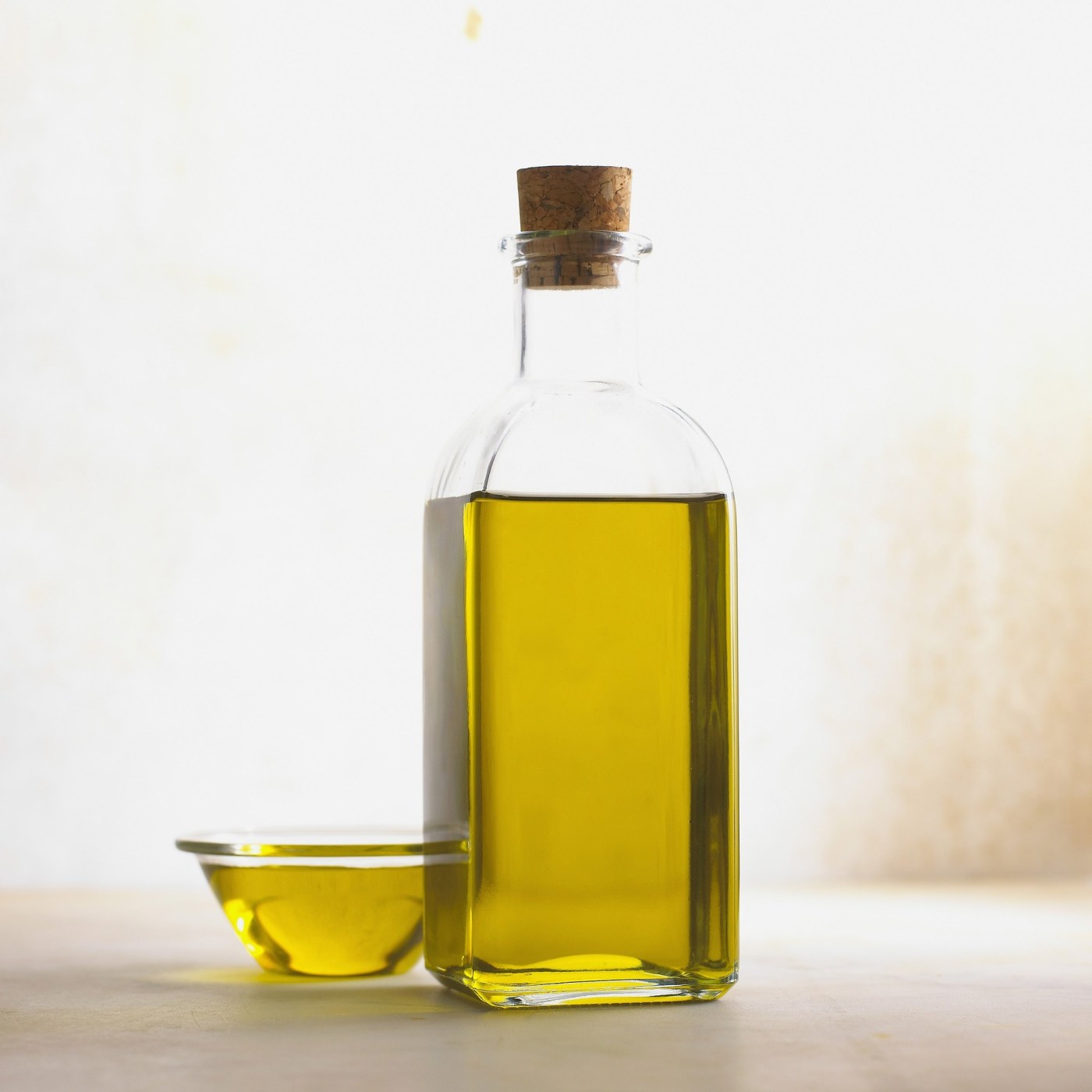
If you cook, you probably cook with oil, right? We know that olive oil is good for your health over vegetable oil for many reasons including it’s anti-inflammatory properties but are there other considerations when choosing an oil? Do you consider the difference between hydrogenated and fractionated oil? Can that make an impact on your health?
Let’s start with the difference between hydrogenated and fractionated oil. Hydrogenated oil has added hydrogen to unsaturated fats, typically in the presence of a catalyst, to convert them into saturated fats or fats with a higher degree of saturation. This process changes the chemical structure of the oil, making it more stable and solid at room temperature. Because shelf life is better, many companies add these oils but there is a push back from consumers as this process introduces more trans fats. Fractionated oil gets its name because the oil undergoes a process called fractional distillation, where it is separated into its individual components or fractions based on their different boiling points–think of it as a jar with multiple size marbles, you have to remove the smallest marbles (lowest boiling point) first before you can get to the largest marbles (highest boiling point). This process results in oils with specific properties, such as different melting points or viscosities. Fractionated oils are often used in cooking, skincare products, and other applications where precise control over properties is desired.
No matter the reason a company uses a type of oil, it has a direct impact on your health, including skin health. If you’re unsure about the type of oil in your item, reach out to the company and ask questions. Customer service may share more details about the item not captured on the product’s label.
Stay well!
 amitunfiltered.com
Leave a comment