
Yesterday, I talked about Diet Coke and how the brand turned its sales around but do you know how they made it a zero calorie drink?
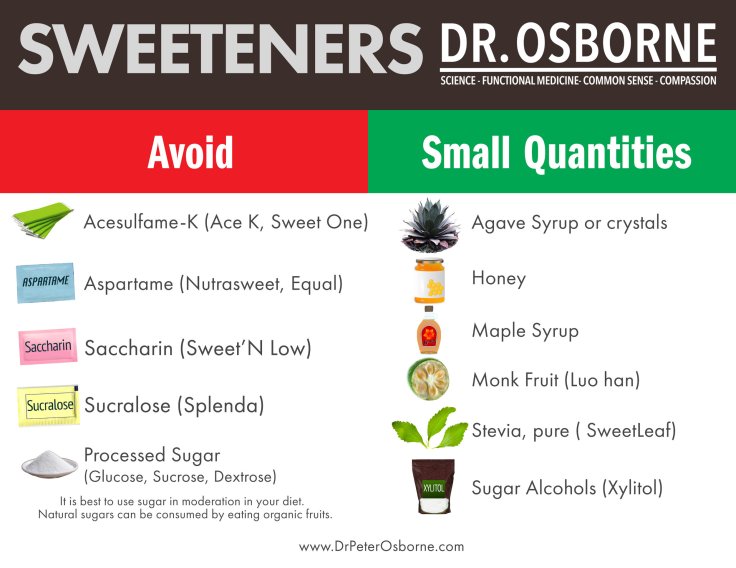
Zevia, Diet Coke, Coke Zero are zero calorie sodas with Coke Zero and Diet Coke containing aspartame and acesulfame K (aka Ace-K) and Zevia containing stevia. No matter your thoughts on which sweetener is best for you, one of these is creeping into your food/beverage source somehow.
Curious by nature, I decided to Google acesulfame K and the amount of information out there about it is disconcerting. I get why both Stevia and Ace-K are part of beverages because everyone wants something clean label and sweet — very few would prefer salty soda but maybe that’s a possibility in the near future too, who knows? — but are these ingredients the best way to get the sweetness profile one is looking for? There is very little research showing the safety of Ace-K long term so how much of this should you consume? Since it is bitter by itself, Ace-K is usually blended with sucralose or aspartame to give you that sweetness and that way your Coke Zero can taste a little more like regular Coke. Just like aspartame and its negative press, what happens when Ace-K breaks down in the body? Yup, you’re right it! It could be linked to cancer and altered brain functioning but remember there isn’t enough research on the long term effects of Ace-K.
So what should I do as a consumer? Satisfy my craving with Coke Zero, one can can’t harm me right? Or should I take Zevia which also has a clean label but has stevia instead? Most likely, I’ll stick with Zevia — plus, they have some great flavors.
For the larger consumer base, if you don’t know what an ingredient, you could Google it and then decide for yourself if you should be consuming a controversial ingredient or not. It all comes down to what is good for your body and how much of this ingredient you’ll be consuming on a daily basis.
 amitunfiltered.com
Leave a comment