
How many times have you opened your fridge and wondered what can I eat? That’s a great problem to have if you have food in there, right? But what’s the downside to having so much food in the fridge? Yes, the food waste that could potentially be occurring.
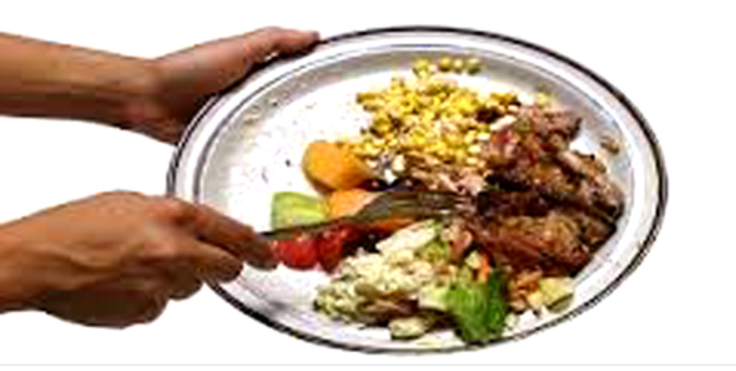
Growing up, we all are told to finish our plates or take the leftovers home but what does that really do? Do you actually eat those leftovers the next day or do you take it home, keep it in the fridge, look at it the next day and then get something else to eat and throw out your leftovers from the day before? I’m guessing most of us fall into the latter situation. What can you do to avoid food waste? In this scenario, I would either eat the leftovers or have requested a smaller plate the night before so that I didn’t have leftovers.
No matter where you live, I’m sure there are kids that are going hungry to bed so think about that next time you throw your food out. Yes, you may not be able to make an impact directly for them in this situation but what you are doing by not discarding food is reducing your carbon footprint and therefore helping the environment. Not convinced yet?
Another option to eliminate food waste is to buy fresh food and eat it by the date mentioned on the label. Remember, fresh food expires faster than packaged food so it must be consumed so that you are able to get all the nutrients that the item has. To limit throwing out fresh food, consider buying just what you need for your email. Even shopping at Costco, Sam’s Club, etc. and buying in bulk fresh food items should be limited because unless you plan to feed your family the entire item before it expires, it will end up as food waste. Sometimes that bulk price savings is actually bad in terms of the environment and waste. Finally, as mentioned earlier, when dining out, go for the smaller meal plates, not only will you avoid food waste but your wallet and body will thank you as well!
Food waste is continuing to be a big problem and as countries like India and China are demanding higher levels of food and beverage items, this challenge must be tackled so that we all consume what is necessary to sustain life and not over-indulge!
 amitunfiltered.com
Leave a comment