
Have you ever gone to the grocery store and wondered what I should get to eat? Do you sometimes over-spend if you go shopping when you are hungry? Do you give into buying that one snack that you know isn’t good for you but get it anyway with all your healthy items? Well, it’s ok, you’re not alone.
At a recent conference, I was discussing with others how shoppers make a purchase decision. What’s important to you? My guess is everyone first says price is important and then is it good for me and my family? Because price is important, you now have successful stores like Aldi’s and Lidl popping up across the country. Twenty dollars at either of these places goes a whole lot farther than shopping elsewhere. Like many, I too like shopping at Whole Foods but it costs a lot despite the new Amazon purchase. Why should I have to pay extra to eat healthy, quality food? Again, Aldi’s and Lidl are both able to give healthier products with limited choices to the shopper..no more dilemma from choosing between 50+ cereals and cheeses.
Next, do you look at what’s on the label? Do you care if the product is organic? gluten free? non-GMO (not genetically modified)? or are you looking at the sugar content, sodium content, protein content, carbs content, etc.? I’m usually looking at the latter half mentioned. Why? Well, if it meets my criteria of healthy and isn’t processed then it will probably end up in my shopping cart.
Organic is not that important to me because if you don’t follow an organic lifestyle, one or two items that say organic is not going to really affect your overall health. The main benefit from that organic label comes when you eat only organic foods. By the way, organic and non-gmo are very much related. If you do purchase an organic item, by the definition of organic, you are buying a GMO-free product as defined by the USDA but non-gmo products are not automatically organic because they may still use pesticides and antibiotics. Surprisingly, for many non-gmo is important and they look for that non-gmo project verified sealed but for me, it is more important that the macros meet what I want. Also, organic foods tend to be more expensive so for me to see the true benefit, I would have to actually eat organic all the time.
Gluten free is important to many Celiacs but if you choose to eat gluten free due to feeling better off of gluten, then know that you can get fat from eating too many gluten free products. Just because something is gluten free, it does not automatically become healthy. Remember, to make it taste good and similar to other non-gluten free products, something has to be added to it so that results in more processed ingredients usually. Also, because there is a plethora of gluten free products out there, sometimes you might eat more of that gluten free cookie bag than a normal one because you are thinking it is healthy. If you do choose this lifestyle, know that gluten free products cost more money too.
So what should you do? How should you eat and stay in your budget? I truly believe everyone should be able to afford healthy and quality foods so to do this and still maintain your budget, no matter where you shop, look for less processed foods. Foods that expire and won’t last forever in your fridge or on the counter, tend to be the more nutritious ones. If you must indulgences, then look for healthier options, lots of ice creams now have protein in them and still taste good or buy a 50% or more dark chocolate or indulge in fruits like mangoes and strawberries. The grocery store should not be a confusing store. The old advice is still true, shop on the periphery of the store and not in the aisles for healthier options. If you are on a budget, look into shopping at Aldi’s. Yes, you may not find all the known brands but you can still find organic and gluten free foods there too and not hit your budget significantly. If shopping time is a problem, look at PeaPod, Thrive Market (lots of organic options) and Amazon’s Prime Pantry as other options to get food delivered to you. Many grocery stores, also will do the shopping for you if you list what you want on their app or online site so that you can pick up and go.
What do I eat? Well, I eat based on the macros that I want to meet and that’s my only criteria for selecting my food. If I could see more long term studies showing that eating organic, non-gmo, or gluten free is better and more nutritious then I would but right now for me just making smart healthy choices based on ingredients and macros is more beneficial to me.
Disclaimer: this is an opinion post and should not be taken as an endorsement or lack of for any product by me or my employer.
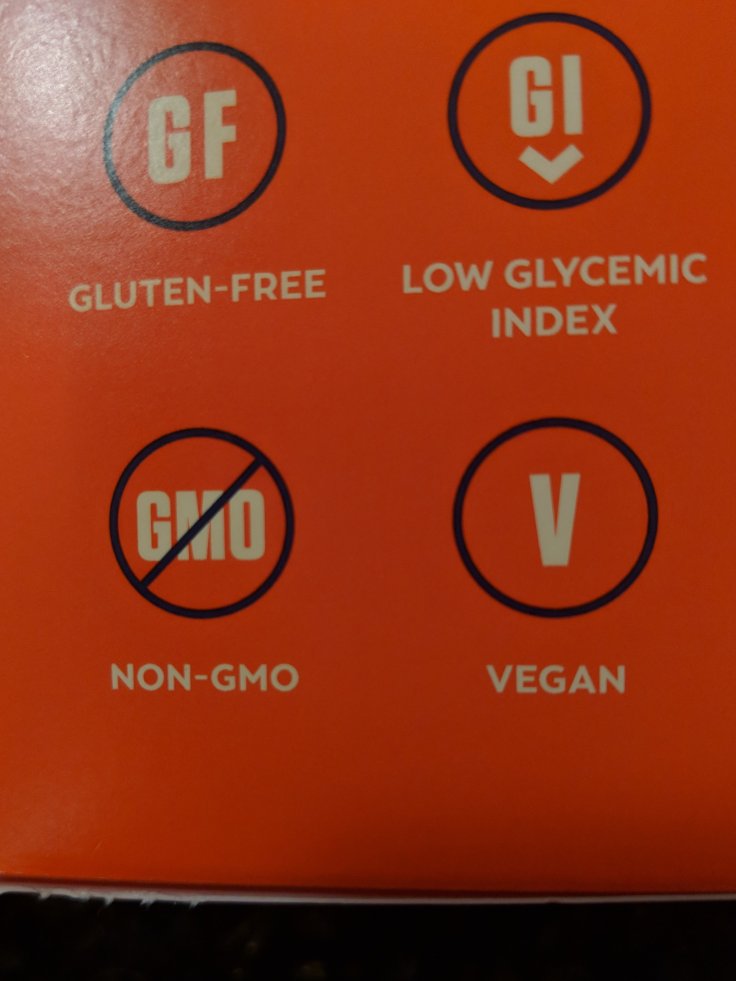
All these labels
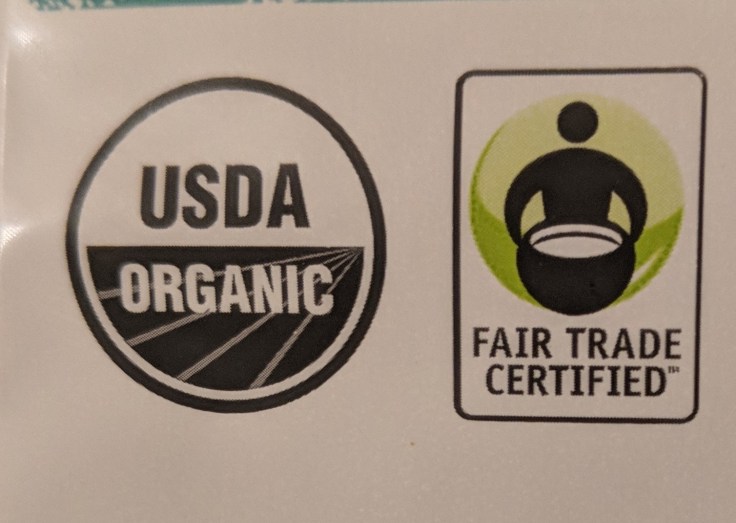
organic certified
 amitunfiltered.com
Leave a comment